Education
Education Under Pressure In Nigeria -By Nantap Adamu Le’an
As Nigeria seeks to build a stronger future, the condition of its education system will play a crucial role. The pressures facing the sector today are not just educational concerns; they are national concerns. The future of millions of young Nigerians depends on whether education can continue to serve as a bridge to opportunity rather than a source of uncertainty.

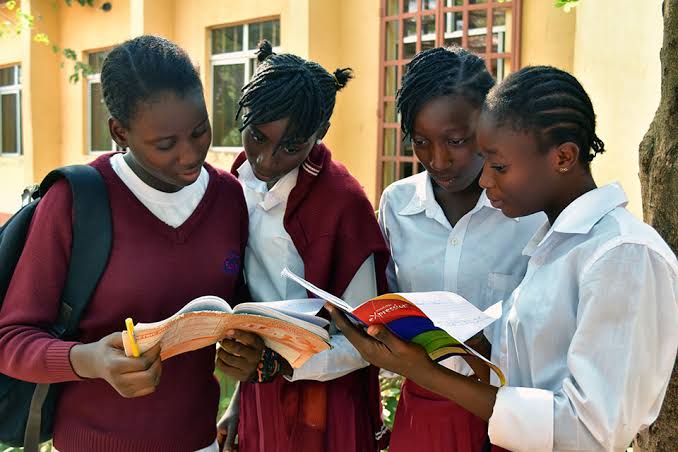
For generations, education has been regarded as one of the most reliable pathways to opportunity and social mobility. Parents invest in their children’s education with the hope that it will provide a better future, while students dedicate years of effort believing that learning will open doors to success.
Today, however, that promise is facing increasing pressure.
Across Nigeria, students, parents, and educational institutions are grappling with a range of challenges. Rising living costs have made it more difficult for many families to afford school fees, textbooks, accommodation, and other educational expenses. For some households, keeping children in school requires significant financial sacrifices.
Students also face concerns about learning conditions and future opportunities. Overcrowded classrooms, inadequate facilities, and limited resources continue to affect the quality of education in many areas. At the same time, many graduates are entering a competitive labour market where employment opportunities remain limited.
These realities have led some young people to question whether education still guarantees the opportunities it once promised. While qualifications remain important, many graduates find themselves competing for a small number of jobs or seeking alternative career paths outside their fields of study.
Despite these challenges, the value of education remains widely recognized. Across the country, students continue to pursue academic goals, teachers work to support learning, and parents make difficult sacrifices to keep children in school. Their commitment reflects a belief that education remains one of the most important investments a society can make.
However, ensuring that education fulfills its promise requires more than determination alone. It requires adequate funding, improved infrastructure, quality teaching, and policies that connect education to employment and national development.
As Nigeria seeks to build a stronger future, the condition of its education system will play a crucial role. The pressures facing the sector today are not just educational concerns; they are national concerns. The future of millions of young Nigerians depends on whether education can continue to serve as a bridge to opportunity rather than a source of uncertainty.
Nantap Adamu Le’an
Department of Mass Communication
University of Maiduguri.