Forgotten Dairies
Enough Of “Emilokan” Politics, It’s Time For Serious Governance -By Isaac Asabor
Enough of “Emilokan” politics. It is time for governance grounded in responsibility, fairness, and competence. Political entitlement must no longer determine who leads critical institutions; national interest must. The nation cannot afford anything less, and the consequences of ignoring this imperative will be felt for generations.

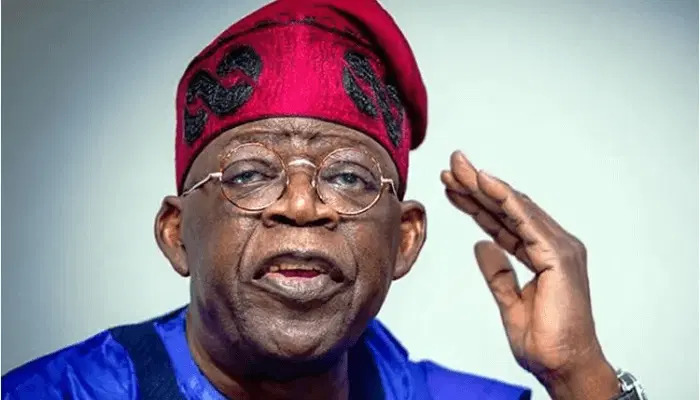
Nigeria’s governance predicament is no longer subtle. The patterns are visible in the way public offices are distributed, key institutions are staffed, and qualified professionals are sidelined in favor of political or personal loyalty. For too long, governance has been entangled in “Emilokan” politics; a style of leadership framing public office as a turn-by-turn entitlement rather than a responsibility earned through performance and accountability. If the country is to restore trust in its institutions and deliver tangible progress, leaders must move beyond this entitlement mindset.
For clarity, “Emilokan” politics, popularized in Nigerian discourse by President Bola Ahmed Tinubu, literally means “it’s my turn.” In practice, it has come to signify a system where access to power is justified by past political support, personal networks, or ethnic and partisan considerations, often overshadowing competence, merit, and the principles of institutional integrity. When governance is shaped by entitlement, appointments prioritize loyalty and symbolism over capability and results.
A defining feature of entitlement-driven governance is the personalization of public office through patronage. When appointments appear to reward political loyalty, personal relationships, or perceived electoral indebtedness, institutional credibility weakens. Under Tinubu, a pattern has emerged where key positions disproportionately favor long-standing associates and individuals framed as having played roles in his 2023 electoral victory. Such practices erode public confidence, as institutional leadership appears tied more to political reward than professional competence.
Public Opinion on the recent appointment of the new acting Inspector General of Police, Tunji Disu, speaks to these concerns. Observers noted that Frank Mba, a senior officer widely regarded for his professionalism and extensive experience, was bypassed despite having a record that arguably positioned him for the role. This decision fueled public discourse on whether appointments in Nigeria are now guided more by political connections and perceived loyalty than by merit and institutional need.
This is not an isolated case. Across ministries, regulatory agencies, and state-linked entities, patterns of appointment suggest prioritization of personal networks and ethnic affiliation over national representation and competence. Critics argue that this is particularly evident in the disproportionate number of appointments from the Yoruba bloc, often at the expense of qualified individuals from other regions, especially the Igbo. In a diverse nation like Nigeria, equitable representation is not a political convenience; it is a stabilizing principle essential to national cohesion and institutional legitimacy.
When qualified candidates are overlooked for reasons unrelated to professional competence, institutions are weakened. Leadership positions should reflect national balance and be determined by expertise, not electoral patronage. Patronage politics introduces a subtle but dangerous inefficiency: it signals that professional skill is secondary to political loyalty, discouraging merit-driven ambition within the civil service and security apparatus. Over time, this undermines the effectiveness of public institutions and compromises public trust.
The consequences of this patronage mindset extend beyond perception. Institutions tasked with critical national functions, security, regulatory enforcement, and public enterprise management, cannot operate at peak efficiency if leadership decisions are influenced by political repayment rather than operational needs. The public observes these patterns, investors notice them, and morale within institutions declines. Professionals may either disengage or seek opportunities outside public service, creating a talent drain with long-term economic and security implications.
Without a doubt ,ethnic favoritism compounds the problem. In a nation where historical sensitivities already shape politics, perceptions that one group is consistently favored in federal appointments erode trust in the state. For instance, while Yoruba leaders appear prominently in key roles under the current administration, many competent Igbo, Hausa, and minority candidates have been reportedly overlooked. The sidelining of Frank Mba, for example, is emblematic: a professional deemed competent by peers, yet reportedly passed over in favor of a politically convenient choice. Such decisions send a troubling message about the interplay of ethnicity and political reward in appointments, suggesting that competence may be subordinate to sectional loyalty.
Institutional strength depends on predictable, fair, and meritocratic appointment processes. The Nigerian Police Force, regulatory bodies, ministries, and public enterprises are only as credible as the leaders who guide them. When political considerations dominate appointments, institutions risk being seen not as neutral public bodies but as instruments for consolidating loyalty and rewarding political backers. This perception erodes the public’s faith in governance and compromises institutional autonomy.
Moreover, patronage-driven appointments carry economic consequences. Institutional credibility is intertwined with national development. Investors, both domestic and foreign, evaluate not only the policies in place but also the competence and impartiality of the people implementing them. When leadership positions are awarded based on loyalty rather than capability, uncertainty rises. Businesses may delay investment, development projects may lack effective oversight, and national initiatives may flounder due to weak leadership at critical nodes.
Serious governance requires a radical departure from the “Emilokan” mindset. Appointments must prioritize competence, integrity, and national balance. Leadership should be seen as a responsibility, not a reward for electoral support. Political loyalty and personal networks have no place in defining who manages the police, supervises regulatory agencies, or runs critical public enterprises. The Nigerian public deserves institutions led by professionals accountable to law and policy, not patronage.
This is not merely a question of ethics; it is a matter of national interest. Nigeria’s demographic structure, ethnic diversity, and economic potential demand that public offices be staffed by the most qualified individuals, irrespective of political background or regional affiliation. Failure to ensure this risks reinforcing perceptions of exclusion, undermining social cohesion, and entrenching cynicism about governance. Every bypassed professional and every perception of favoritism chips away at institutional credibility and national trust.
Equally, the leadership must recognize that meritocracy and fairness are not just political ideals, they are instruments of stability and performance. When appointments are guided by competence rather than patronage, institutions function more predictably, public trust strengthens, and national goals are easier to achieve. Security agencies, for instance, cannot perform their duties effectively if officers perceive that leadership positions reward loyalty rather than professional capability. Regulatory bodies cannot enforce standards reliably if their leadership is beholden to political patrons. Public enterprises cannot deliver efficiency if leadership is selected for political convenience.
The public is watching. Citizens can see when governance elevates personal or ethnic loyalty over national interest. The bypassing of professionals like Frank Mba is a reminder that patronage still defines critical appointments. Such practices diminish confidence in governance and, by extension, in the state’s ability to meet the country’s pressing challenges. Leadership that elevates political repayment above professional merit jeopardizes not just institutional integrity but national stability and development.
The path forward is clear. Nigeria needs an administration that moves decisively beyond “Emilokan” politics. Public appointments should be transparent, merit-based, and inclusive, reflecting the nation’s diversity and the competence required for effective governance. Leadership must be defined by responsibility, capability, and fairness rather than electoral gratitude, personal loyalty, or ethnic favoritism. Only then can the country restore trust in institutions, strengthen national cohesion, and ensure that public offices serve citizens rather than political networks.
Nigeria stands at a consequential juncture. Citizens will judge leadership not by rhetoric or symbolic gestures but by the integrity, competence, and fairness of those who hold office. Electoral legitimacy must translate into institutional responsibility. Public confidence, institutional performance, and national unity are intertwined with the credibility of appointments. Leadership that prioritizes loyalty over competence endangers all three.
Enough of “Emilokan” politics. It is time for governance grounded in responsibility, fairness, and competence. Political entitlement must no longer determine who leads critical institutions; national interest must. The nation cannot afford anything less, and the consequences of ignoring this imperative will be felt for generations.









![Israeli Prime Minister Benjamin Netanyahu holds a press conference in Tel Aviv , Israel [File: Abir Sultan/Pool via Reuters]](https://www.africansangle.com/wp-content/uploads/2023/10/Israeli-Prime-Minister-Benjamin-Netanyahu.webp)