Africa
Fake Degrees, Real Consequences: A Stark Reminder from History, by Isaac Asabor

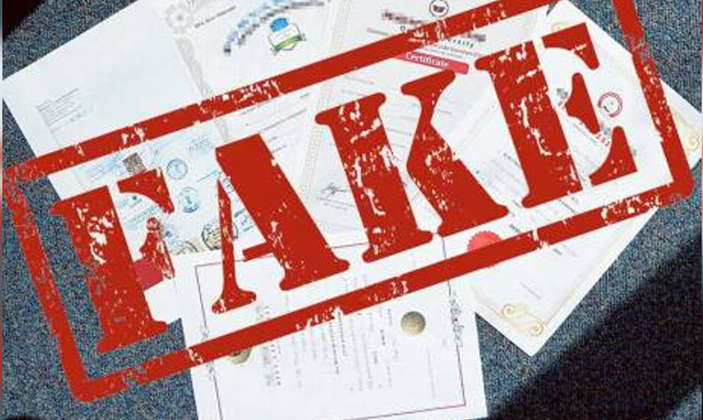
In a significant move, the Federal Government of Nigeria has recently approved the dismissal of workers who secured employment using fake degrees from institutions in Benin and Togo. This action, while necessary to maintain the integrity of the nation’s workforce, serves as a poignant reminder of a time when academic qualifications from certain institutions in India were not recognized in Nigeria. The embarrassment and disappointment experienced by those who had invested time and money in such unrecognized degrees should serve as a lesson to current and prospective students.
Without a doubt, the allure of foreign degrees is undeniable. For many Nigerians, the hope of obtaining an international education, especially from neighboring countries like Benin and Togo, appears to be a fast track to better job prospects and social standing. However, the recent crackdown on fake certificates has exposed a harsh reality: not all degrees are created equal.
Years ago, Nigerians who pursued academic qualifications from various institutions in India faced a similar predicament. Upon their return, many found their degrees were not recognized by Nigerian employers or professional bodies. The result? A waste of resources, time, and, perhaps most damagingly, a tarnished reputation. The situation today is no different. Workers who used fake degrees from Benin and Togo are now facing the consequences, with their jobs and careers hanging in the balance.
This ongoing issue highlights the importance of due diligence when pursuing educational qualifications. It is not enough to simply earn a degree; Nigerians must ensure that the institutions they attend are accredited and that their qualifications will be recognized and respected at home. The financial investment in education is significant, and the repercussions of obtaining an unrecognized or fake degree can be devastating, both professionally and personally.
The embarrassment that comes with being exposed for holding a fake or unrecognized degree cannot be understated. It is not just the loss of a job; it is the loss of trust, credibility, and the opportunities that come with a solid educational background. In today’s competitive job market, where qualifications can make or break a career, the importance of obtaining a legitimate, recognized degree cannot be overstated.
Nigerians must learn from the past and exercise caution in their educational pursuits. Before enrolling in a foreign institution, prospective students should verify the school’s accreditation status and confirm that its degrees are recognized by relevant authorities in Nigeria. This due diligence is crucial, especially considering the substantial amounts of money and time invested in obtaining these qualifications.
In fact, the Federal Government’s decision serves as a warning to all Nigerians. This is as the pursuit of education is noble, and given the fact that it must be done with integrity and foresight. The reason for the foregoing view cannot be farfetched as the cost of a fake or unrecognized degree is too high to bear, and the repercussions can last a lifetime. As the adage goes, “To Be Forewarned Is forearmed.” Let this serve as a reminder to all, fake degrees lead to real consequences.
Expectedly, the news of job terminations that arose therefrom within Nigeria’s federal government has sparked heated debates across the nation. While some view these actions as harsh and inconsiderate, it is crucial to understand the broader implications of employing individuals with fake degrees in the public sector. The consequences of such fraud go beyond individual careers; they undermine the quality of production and services in workplaces and, more importantly, and put those who have earned their degrees legitimately at disadvantage.
Not only that, fake degrees are not just a personal deception; they are a societal threat. When individuals secure positions using fraudulent qualifications, they bring a lack of competence that can severely impact the quality of work within their respective fields. Whether in education, healthcare, engineering, or any other sector, the presence of under qualified personnel can lead to disastrous outcomes. For instance, a doctor with a fake medical degree could jeopardize lives, while an engineer without proper credentials could contribute to infrastructure failures.
In a similar vein, quality production and service delivery hinge on the expertise and competence of the workforce. When individuals with fake degrees infiltrate the system, they diminish the overall efficiency and productivity of the workplace. This not only hampers organizational growth but also undermines the nation’s development as a whole.
In fact, one of the most glaring injustices of employing individuals with fake degrees is the unfairness it creates for those who have genuinely earned their qualifications. The journey to obtaining a degree is often long, demanding, and costly. Students and professionals who have invested their time, resources, and effort into gaining valid degrees deserve to compete on a level playing field. Allowing those with fraudulent credentials to occupy positions of responsibility is a slap in the face to hardworking individuals who have earned their qualifications through legitimate means.
Moreover, retaining individuals with fake degrees in the workforce sends a dangerous message that dishonesty and cutting corners are acceptable paths to success. This erodes the moral fabric of society and encourages a culture of deceit, which can have far-reaching consequences beyond the workplace.
The Nigerian government’s decision to terminate the employment of those found with fake degrees should not be viewed as an act of inconsideration or wickedness. Rather, it is a necessary measure to protect the integrity of the workforce and ensure that public service is delivered by competent and qualified individuals. By taking a firm stance against academic fraud, the government is upholding the value of education and setting a standard that competence, not deception, should be the foundation of employment.
It is important to note that the government’s actions are also in the interest of national development. A nation can only progress when its public servants are genuinely qualified to perform their duties. The decision to remove individuals with fake degrees from the workforce is a step towards building a more competent, efficient, and trustworthy public service.
The termination of jobs over fake degrees is a necessary action that should be understood in the context of maintaining the integrity and quality of Nigeria’s workforce. While it may seem harsh to those affected, it is a fair and just move that protects the rights of individuals with valid degrees and ensures that public service is delivered by those who are truly qualified. The government’s responsibility is to ensure that every public servant is competent and that the nation’s development is not hindered by fraud. In this light, those relieved of their jobs should not see the government as inconsiderate, but rather as upholding the principles of fairness, competence, and national integrity.