Forgotten Dairies
From Glacial Melts to Monsoon Chaos: Challenges of Building Climate Resilience in Pakistan -By Somayia Hafeez
Climate change is manifesting in multiple forms—melting glaciers, flash floods, prolonged droughts, rising tropical diseases, and unpredictable monsoons—all threatening Pakistan’s food, water, and energy security. Its impacts extend to marine ecosystems, livestock, agriculture, forests, biodiversity, and public health. Pakistan must align with the Sustainable Development Goals to combat climate change effectively. It is imperative to reduce global warming to preserve glaciers and ensure future water supplies. Policymakers should adopt advanced technological solutions and re-evaluate existing strategies to meet evolving environmental and economic demands. Awareness and education are vital in promoting climate resilience, especially in rural and urban communities.

Climate change is an established reality with significant impacts on health, water resources, agriculture, and biodiversity worldwide. According to the Intergovernmental Panel on Climate Change (IPCC), developing and underdeveloped countries are more vulnerable to the effects of climate change compared to developed nations. Pakistan, due to its geographical location and already high baseline temperatures, ranks among the most vulnerable. Although Pakistan contributes less than 1% to global greenhouse gas emissions, it is consistently ranked among the top ten countries most affected by climate change.
In recent years, Pakistan has witnessed extreme climatic events, including heavy rainfall, floods, droughts, cloudbursts, and heatwaves. These phenomena have been recurring, as seen in the devastating floods of 2022 and the ongoing floods of 2025-where so far over 300 people have lost their lives and economic losses are yet to be estimated, but the figure will be in billions of dollars. This year, the damage caused by monsoon rains has been exacerbated by extreme heat in northern regions such as Gilgit-Baltistan, home to many of Pakistan’s glaciers. In 2022 alone, floods claimed around 1,700 lives and displaced over 30 million people, causing massive destruction to homes, livestock, and crops. The estimated damage reached $14.8 billion, with an additional $15.2 billion in economic losses.
The Pakistan Meteorological Department reported that mountain regions at elevations above 1,200 meters (4,000 ft) have experienced temperatures exceeding 48°C. Gilgit-Baltistan, a region with over 13,000 glaciers, has been particularly affected. A study by Pakistan’s Ministry of Climate Change and Italy’s EvK2CNR research institute noted that these glaciers have been melting at an alarming rate, increasing the risk of floods and threatening infrastructure, lives, and water security.
As glaciers melt, they form lakes that appear stable but can suddenly burst, leading to “glacial lake outburst floods” (GLOFs). According to Nature Communications, around 15 million people globally are at risk of GLOFs, including 2 million in Pakistan. The retreat of glaciers from the Himalayan-Karakoram-Hindukush range threatens Pakistan’s Energy-Water-Food Security. Most of Pakistan’s agriculture relies on irrigation from the Indus River, which originates in this region. Reduced water availability due to droughts and receding glaciers could lead to a decline in hydropower generation and groundwater levels, leaving the growing population increasingly food-insecure. Unpredictable rainfall, shorter growing seasons, degraded soil, and reduced crop yields further complicate food production.
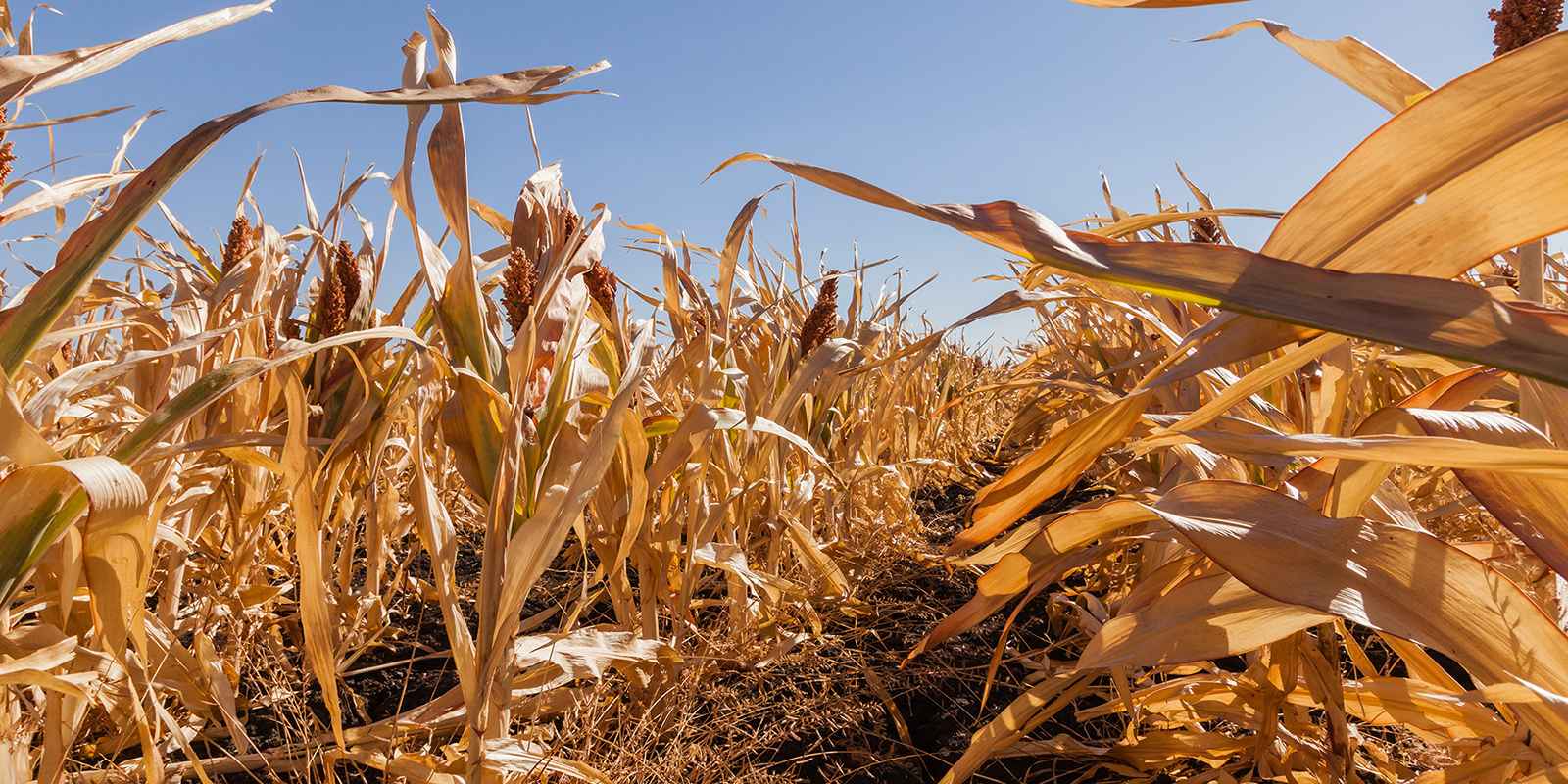
Temperature changes also affect crop water requirements. Climate change may increase the demand for irrigation while simultaneously reducing the availability of surface and groundwater resources. Already, yields of staple crops such as wheat and rice are declining. This drop in agricultural productivity can push more people into poverty. Crop simulation models predict a 4–10% decrease in net cereal production. By 2050, Pakistan will need 43 million tons of wheat, yet projections estimate only 36 million tons. Similarly, rice production may fall to 4 million tons, causing food prices to surge and increasing the risk of malnutrition among low-income populations.
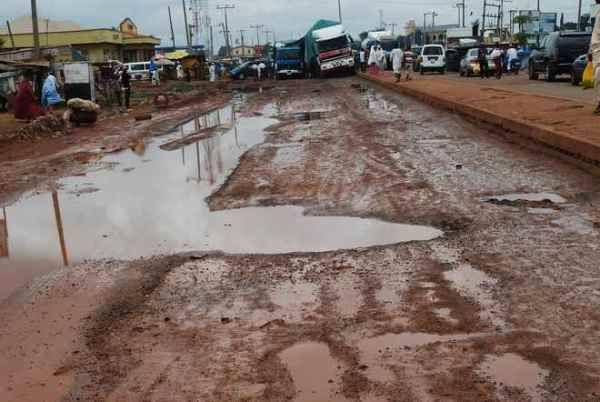
In addition to human suffering, Pakistan has suffered significant financial and physical damage from floods. The National Disaster Management Authority was established to monitor and respond to such disasters. IPCC reports estimate that natural disasters have left nearly 20 million Pakistanis homeless. Major floods have occurred in 2008, 2010, 2016, 2019, 2021, 2022, and most recently in 2025. Much of the damage stems from poor infrastructure and policy implementation failures. Continuous efforts are required to identify high-risk flood zones and implement preventative measures. The government must prioritize constructing water reservoirs in vulnerable regions and actively involve local communities in disaster preparedness.
Mitigation and preparedness are key. The better we plan, the more resilient we become. The international community must also intensify efforts to combat climate change. As countries shift to renewable energy sources, Pakistan should promote afforestation, ban plastic bags, and adopt renewable technologies to reduce emissions. These measures are essential for adaptation and achieving net-zero emissions.
Climate change is manifesting in multiple forms—melting glaciers, flash floods, prolonged droughts, rising tropical diseases, and unpredictable monsoons—all threatening Pakistan’s food, water, and energy security. Its impacts extend to marine ecosystems, livestock, agriculture, forests, biodiversity, and public health. Pakistan must align with the Sustainable Development Goals to combat climate change effectively. It is imperative to reduce global warming to preserve glaciers and ensure future water supplies. Policymakers should adopt advanced technological solutions and re-evaluate existing strategies to meet evolving environmental and economic demands. Awareness and education are vital in promoting climate resilience, especially in rural and urban communities. Strategic interventions such as plantation drives, efficient waste management, and strong environmental regulations will play a crucial role in addressing climate change in Pakistan.
The writer is a PhD Scholar in Psychology at the Department of Psychology, The University of Haripur, Pakistan. Her Research focuses on climate anxiety and mental health. She can be reached at somayia.hafeez@gmail.com