National Issues
Lagos’ Waste Crisis Needs More Than a Waste-to-Energy Plant, by Abiodun Salako

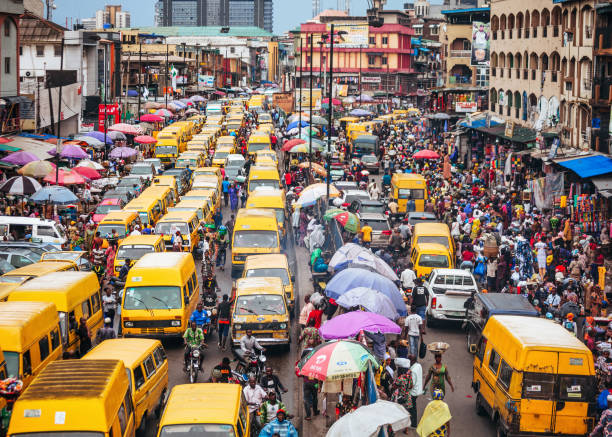
Lagos, Nigeria’s economic powerhouse, is grappling with a waste management crisis. State governor Babajide Sanwo-Olu recently announced a partnership with Dutch-owned Harvest Waste Consortium to build a waste-to-energy plant. The commendable project, which aims to convert 2,250 tonnes of waste daily into 60-75 megawatts of electricity, promises to power 40,000 homes and significantly reduce the city’s carbon footprint. However, while this ambitious project is a step forward, it is not a comprehensive solution for the state’s multifaceted waste management challenges.
The primary benefit of the waste-to-energy plant is its potential to address two critical issues: waste management and energy production. Lagos produces between 13,000 and 15,000 metric tonnes of waste daily and the current waste management system struggles to cope with this volume. Transforming a portion of this waste into energy can help reduce the burden on landfills and provide a renewable energy source.
Moreover, the project aligns with global climate goals by promising to cut down 550,000 metric tonnes of CO2 emissions annually, improving air quality and contributing to a healthier environment, which is significant considering Lagos is one of the most populous cities in Africa, with a population of over 21 million people. The United Nations Environment Programme (UNEP) has identified methane reduction as a key strategy for mitigating climate change, given that methane is over 25 times more effective than CO2 at trapping heat in the atmosphere over a 100-year period.
But the project only scratches the surface of the larger waste problem in Lagos. The city’s waste management issues are deeply rooted and multifaceted, involving inadequate waste collection, poor recycling practices, and a lack of effective initiatives around public awareness and engagement. A waste-to-energy plant, while advantageous, addresses only a fraction of the waste generated daily. The remaining waste, which continues to pile up in landfills and litter streets, continues to pose grave environmental and public health risks. For example, environmentalists posit bad waste disposal management as one of the culprits that worsens perennial flooding for Lagos State.
Moreover, the success of the waste-to-energy plant hinges on efficient and consistent waste collection and sorting. Lagos has long struggled with inconsistent waste collection services, leading to illegal dumping and unmanaged waste in many areas. In a research article by Kehinde Allen-Taylor and K.O., it was recommended that Lagos State put in place a strong policy framework that incorporates waste hierarchy guidelines. First should be prevention; then reuse, recycling, recovery and (least desirable) disposal. But it found that in Lagos, this hierarchy wasn’t being followed. The research revealed that residents generate mixed waste without separation or sorting. Households store their waste primarily in plastic bags, sacks and buckets. Contracted waste collectors collect mixed waste and transport it directly to dumpsites. Without a significant overhaul of the waste collection system and substantial investment in infrastructure and manpower, the plant’s effectiveness may be hampered.
To truly tackle Lagos’ waste problem, a broad and integrated waste management strategy is required. This includes improving waste collection and recycling infrastructure, enforcing strict regulations against illegal dumping, and launching extensive public awareness campaigns to encourage waste reduction and proper disposal practices. According to the Association of Waste Managers of Nigeria (AWAMN), less than 10 percent of waste generated in Lagos State is being recycled as at 2022. Investment in other sustainable waste management solutions, such as composting organic waste is essential.
Lagos launched a second community recycling initiative in 2023 after the pilot scheme launched within the Ministry in Alausa was launched two years prior. The scheme is one of the fulfillment of the present Administration’s T.H.E.M.E.S Agenda serving as Environmental Sanitation Advocacy and Economic Empowerment Programme for the people of Lagos. The initiative is a simple placement of eight steel mesh receptacles at strategic locations where citizens of the community are encouraged to drop used PET bottles and containers. Such an initiative needs to be implemented in all communities statewide and quickly as possible.
In conjunction with these efforts, the second most populous state banned the usage and distribution of styrofoam and other single-use plastics in January. This ban is expected to reduce plastic pollution, a major contributor to the city’s waste problem. However, the effectiveness of this ban will depend on rigorous enforcement, stakeholder relations, and the promotion of sustainable alternatives. Promoting the use of biodegradable materials as an alternative involves much more than words, but productive relationships with businesses, incentives, technical assistance, supply chain support, policy measures, community program and extensive public awareness campaigns to educate residents about the environmental benefits of biodegradable materials.
In essence, while the waste-to-energy plant is a positive step towards a cleaner and sustainable Lagos, it alone cannot solve the city’s complex waste management issues. The city’s waste management challenges necessitate a multifaceted approach that goes beyond a single technological fix. It is imperative for the Lagos State government to adopt a holistic strategy that addresses the root causes of waste management issues while promoting sustainable practices across all levels of society. Only then can Lagos truly overcome its waste crisis and move towards a greener future.
Abiodun Salako, a Journalist and former Editorial Assistant at UK–based Divinations Magazine, writes from Lagos. He can be reached on X @i_amseawater.