
Africa
It’s ‘Unafrican’ And ‘UnIgbotic’ To Be Rejoicing Over Ifeanyi Ubah’s Death On Social Media Platforms, by Isaac Asabor

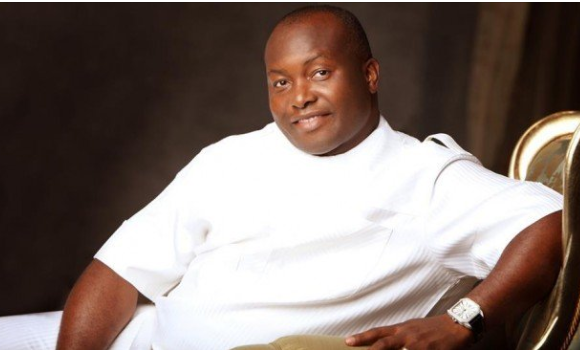
The recent passing of Senator Ifeanyi Ubah has sparked a range of emotions across Nigeria, from grief to celebration. As a journalist and writer, I find it essential to address the reactions on social media platforms, particularly those rejoicing over his demise.
Senator Ifeanyi Ubah, who represented Anambra South in the Senate, was a multifaceted figure. His background as a businessman, politician, and philanthropist shaped his impact on society. Ubah’s contributions to media, sports, and the petroleum industry were remarkable, and his commitment to community development and service cannot be overlooked.
In the digital age, social media platforms serve as powerful tools for communication, expression, and mobilization. However, they can also amplify negativity, misinformation, and inanities. When news of Ubah’s death broke, some Nigerians took to social media to express their joy, labeling him a “criminal” and celebrating his demise. Such reactions raise questions about our collective values and humanity.
As Africans, particularly as Igbos, we have a rich cultural heritage that emphasizes empathy, compassion, and respect for the deceased. Celebrating someone’s death, regardless of their perceived flaws, goes against these values. In Igbo culture, where communal bonds are strong, it is considered disrespectful to rejoice over someone’s passing. We should remember the adage: “When one finger touches oil, it spreads to all the other fingers.” Our interconnectedness demands empathy, even for those with whom we disagree.
Rather than celebrating death, we should engage in constructive dialogue. Senator Ubah’s life was complex, and his legacy includes both positive and controversial aspects. Let us discuss his achievements, shortcomings, and the lessons we can learn.
As we mourn Senator Ifeanyi Ubah’s passing, let us honor his memory by promoting unity, empathy, and understanding. It is not only African but also human to recognize the value of life, even when faced with disagreements. Let us rise above negativity and celebrate our shared humanity.
In many African cultures, there exists a longstanding tradition that discourages speaking ill of the dead. This custom reflects a deep respect for those who have passed away and recognizes their inability to defend themselves or respond to criticism.
The aphorism “De mortuis nil nisi bonum”, is a saying in Latin which interpretatively mean, “Of the dead, say nothing but good”, and it encapsulates this belief. It emphasizes that when someone has died, it is socially inappropriate to speak negatively about such person. The phrase acknowledges that the deceased cannot justify or defend himself or herself, and therefore, it is our duty to remember the dead in a positive light.
While this tradition is not exclusive to Africa, particularly the Igbo, it holds particular significance on the continent. African societies often emphasize communal bonds, ancestral reverence, and the interconnectedness of the living and the dead. This is as African cultures honor their ancestors, believing that they continue to influence the living. Therefore, speaking ill of the dead disrupts this connection and dishonors their memory.
In fact, some African belief systems hold that negative words about the deceased can harm the speaker or their family. It is believed that spirits can retaliate if offended. Before burial, it is customary for people to settle any debts, both financial and emotional, with the deceased. This practice ensures a peaceful transition for the departed soul.
Without a doubt, the recent death of Senator Ifeanyi Ubah highlights the complexity of this tradition. While some dignitaries across the country are already calling for cherishing Ubah’s contributions, others are remembering his alleged controversial legacy, which to this writer is unkind to the just departed soul. Unarguably, Ubah’s actions during his earthly journey sparked both admiration and criticism, making it challenging for some Nigerians, particularly those of Igbo extracts, to reconcile their feelings about his passing.
In African, particularly in Igbo tradition in this context, speaking ill of the dead is more than a social norm; it reflects a profound understanding of life, death, and our interconnectedness. While opinions may differ, this tradition reminds us to approach the deceased with empathy and respect, allowing their memory to endure positively.
It is sad that in our modern era of social media that the instinct to speak ill of the dead often prevails. However, the ancient aphorism “De mortuis nil nisi bonum”, “Of the dead, say nothing but good”, reminds us to exercise restraint. This is as the saying acknowledges that both revered and reviled public figures will eventually pass away. It is a reminder of our shared humanity and the fleeting nature of life.
While we cannot predict if our words will reach mourning family or friends, the custom encourages us to be mindful of their grief. Even wicked figures had loved ones who mourned their deaths.
To this writer’s view, it could have been sensible if those who are rejoicing over Ubah’s death refrain from expressing disdain in public immediately after his passing, to later engage in honest discussions about his legacy. In a world where opinions clash, this ancient wisdom invites us to pause, reflect, and find common ground even when discussing those who’ve left us.






















You must be logged in to post a comment Login