
Africa
Macroeconomic Stability: Regulating Monetary Policy Rate For Growth -By Isah Aliyu Chiroma
The interplay of inflation moderation, robust economic performance, and a resilient banking sector suggests that Nigeria is on a promising trajectory, with the potential for increased investment and improved living standards for its citizens. As we move forward, the continued collaboration between the government, the CBN, and other stakeholders will be vital in ensuring the long-term stability and prosperity of Nigeria’s economy.

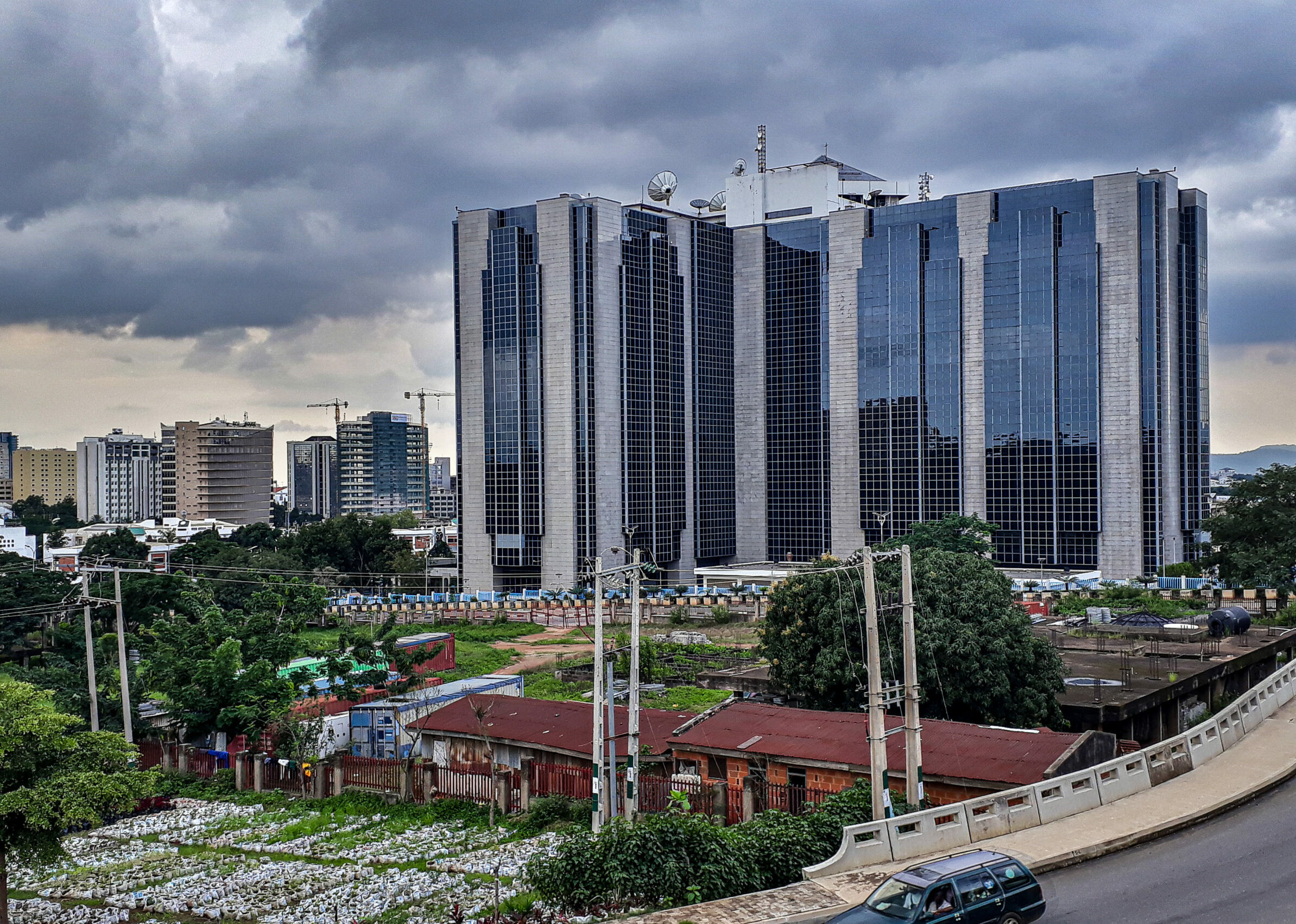
In a significant move aimed at reinforcing Nigeria’s economic recovery, the Central Bank of Nigeria (CBN) has reduced the Monetary Policy Rate (MPR) to 27.00%, marking a 50 basis point decrease. This pivotal decision was announced during the 302nd Monetary Policy Committee (MPC) meeting held on September 22nd -23rd, 2025. Engaging discussions among the twelve members of the Committee revolved around key developments in both international and domestic economies, specifically focusing on inflation trends, economic growth, and financial sector stability.
The decision to lower the MPR reflects the MPC’s commitment to fostering an environment conducive to economic revitalization while maintaining essential macroeconomic stability. The backdrop to this decision includes a sustained disinflation trend observed over the past five months, coupled with positive projections indicating a further decline in inflation rates for the remainder of 2025. These factors offered a compelling justification for the policy adjustment, which the CBN anticipates will invigorate economic activity by reducing borrowing costs and facilitating increased investment across various sectors.
One of the critical decisions made during the MPC meeting, alongside the MPR cut, was the adjustment of the corridor around the MPR to +250/-250 basis points. This change aims to enhance the efficiency of the interbank market and strengthen the transmission of monetary policy. The Monetary Policy Committee strategically identified this adjustment as necessary to promote stability in the financial sector and ensure effective functioning within the banking system. Furthermore, the Cash Reserve Ratio (CRR) for commercial banks was increased to 45%, while the CRR for merchant banks remained unchanged at 16%. Additionally, the MPC introduced a new 75% CRR on non-TSA public sector deposits, a measure designed to improve liquidity management across the banking system. The Liquidity Ratio was retained at 30%, signifying the Committee’s commitment to balancing inflationary pressures and overarching growth objectives.
Focusing on macroeconomic indicators, the MPC expressed considerable satisfaction with Nigeria’s prevailing state of macroeconomic stability. This stability is underscored by a range of positive developments reflected in significant indicators. Headline inflation, measured year-on-year, moderated to 20.12% in August 2025, down from 21.88% in July. Notably, both food and core inflation contributed to this decline, signaling a positive trajectory for price stability in the country. Additionally, month-on-month headline inflation decreased to 0.74% in August, a noticeable drop from 1.99% in July.
The moderation in inflation can be attributed to several factors, including decisive monetary policy tightening, stability in the exchange rate, increased capital inflows, and a favorable current account balance. These elements combined to create an environment conducive to sustained disinflation. Notably, the cost of goods and services, particularly in essential areas such as housing, utilities, and transport, has seen a slowdown, positively impacting the core inflation rate, which eased to 20.33% in August, down from 21.33% in July. In terms of food inflation, there was a significant moderation in prices, with food inflation declining to 21.87% in August from 22.74% in July, largely due to falling prices for staples such as rice, maize, and millet, which are vital for the average Nigerian household.
In examining Nigeria’s economic growth, the MPC highlighted the robust performance demonstrated in the second quarter of 2025. The real Gross Domestic Product (GDP) growth rate reached 4.23% year-on-year, a remarkable improvement compared to the 3.13% recorded in the first quarter. The oil sector, a crucial pillar of the Nigerian economy, exhibited significant growth, achieving an impressive rate of 20.46% in Q2 2025, in stark contrast to the mere 1.87% seen in the previous quarter. This strong performance in the oil sector is expected to bolster foreign exchange reserves and ensure sustained stability in the foreign exchange market, thereby supporting overall economic health.
The MPC commended the ongoing efforts of the Federal Government to enhance security across the nation. Improved security conditions have had a directly positive effect on crucial sectors, notably both oil output and food production. The Committee emphasized the importance of continued vigilance to safeguard these gains and further strengthen economic performance moving forward. As security improves, investments in agriculture and oil production are likely to yield better returns, paving the way for sustainable growth.
On the subject of banking sector resilience and financial stability, the MPC conveyed optimism regarding the continued strength of Nigeria’s banking system. Most financial soundness indicators remain well within their respective prudential benchmarks, a testament to the robustness of the sector. Notably, significant strides have been made in the ongoing bank recapitalization exercise, where fourteen banks have successfully met the new capital requirements mandated by the CBN. This achievement is critical as it enhances the financial stability of banks and bolsters confidence among investors and depositors alike.
To ensure the successful completion of the bank recapitalization process, the MPC urged the CBN to persist in implementing policies and initiatives aimed at fostering a stable and resilient banking environment. The termination of forbearance measures and waivers on single obligors marks a pivotal development that promotes greater transparency, enhances risk management, and induces long-term financial stability within the banking sector. The MPC reassured the public that the effects of removing forbearance measures would be transitory and should not pose a significant threat to the soundness of the banking sector.
Despite the promising trends in inflation, the MPC noted a concerning build-up of excess liquidity within the banking system. This excess liquidity has primarily emerged due to improved fiscal releases consequent to enhanced government revenues. While excess liquidity can be indicative of economic vitality, it also poses risks to macroeconomic stability if not managed effectively. The Committee recognized these risks and underscored the necessity for prudent liquidity management to avert potential inflationary pressures that could undermine the hard-earned gains in economic stability.
The recent measures taken by the CBN, encapsulated in the decisions made during the MPC meeting, reflect a balanced and adaptive approach aimed at navigating the complexities of the economic landscape. By prioritizing the reduction of the MPR alongside adjustments to the CRR and other monetary policy tools, the CBN positions itself as a pivotal player in steering Nigeria toward a path of sustained economic recovery and growth. The interplay of inflation moderation, robust economic performance, and a resilient banking sector suggests that Nigeria is on a promising trajectory, with the potential for increased investment and improved living standards for its citizens. As we move forward, the continued collaboration between the government, the CBN, and other stakeholders will be vital in ensuring the long-term stability and prosperity of Nigeria’s economy.
Isah Aliyu Chiroma is a public affairs analyst with interest in economic policies and writes via aliyuisahchiroma29@gmail.com


























You must be logged in to post a comment Login