Africa
Nigeria’s Youth: Between Unfulfilled Promises and Unbroken Potential -By Patience Paul
Nigeria stands at a crossroads. The same youth population that today feels marginalized could tomorrow become the engine of economic growth, democratic stability, and social transformation. But potential alone is not enough. Without bold reforms and genuine inclusion, the nation risks turning its greatest asset into its greatest liability.

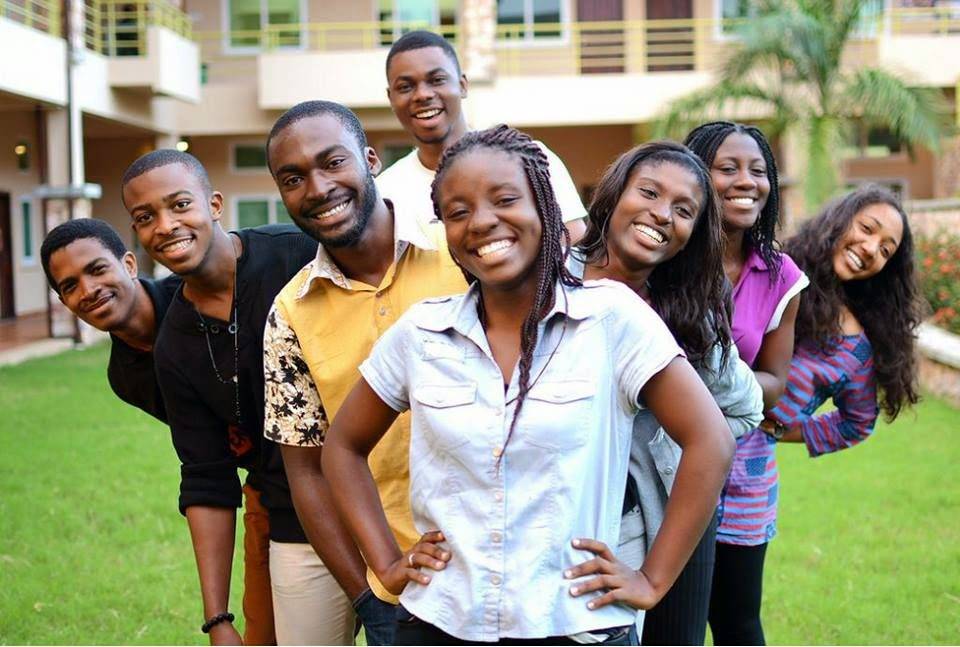
Nigeria is often described as a “youthful nation,” and rightly so. With over 60 percent of its population under the age of 30, the country boasts one of the largest youth populations in the world. Yet, this demographic advantage increasingly feels like a missed opportunity. While Nigerian youths are bursting with creativity, resilience, and ambition, they remain trapped between unfulfilled government promises and a system that struggles to harness their potential.
The question is no longer whether Nigerian youths are capable of driving national development, but whether Nigeria is ready to create the conditions that allow them to thrive.
Across the country, millions of young Nigerians face daily battles against unemployment, underemployment, and economic uncertainty. University graduates roam the streets in search of scarce jobs, while skilled artisans and entrepreneurs struggle to access capital, power supply, and stable markets. According to official figures, youth unemployment remains alarmingly high, and for many young people, survival has replaced long-term ambition.
This reality has consequences. Frustration fuels desperation, pushing some into cybercrime, drug abuse, political thuggery, or irregular migration. Others simply disengage, losing faith in leadership and governance. A nation that neglects its youth ultimately undermines its own future.
Successive governments have introduced youth-focused initiatives—skills acquisition programs, entrepreneurship funds, empowerment schemes—but many of these efforts have been poorly implemented, politicized, or short-lived. Programs often disappear with changes in administration, leaving beneficiaries stranded and public trust eroded.
More troubling is the absence of young people from decision-making spaces. Despite being the majority, Nigerian youths remain underrepresented in politics, governance, and policy formulation. Laws and policies affecting them are frequently designed without their input, reinforcing a sense of exclusion and disconnect.
Ironically, Nigeria’s youths continue to excel even in the absence of strong institutional support. From fintech startups redefining Africa’s financial landscape to creatives dominating music, fashion, and film globally, young Nigerians have proven their capacity to compete on the world stage.
These successes are not products of a perfect system, but of individual resilience and collective ingenuity. Imagine what could be achieved if innovation were backed by stable policies, quality education, reliable infrastructure, and accessible funding.
Education should be the backbone of youth development, yet Nigeria’s education system remains plagued by strikes, outdated curricula, overcrowded classrooms, and poor funding. Graduates often emerge ill-prepared for modern job markets, widening the gap between education and employability.
Without urgent reforms that align education with 21st-century skills—technology, critical thinking, problem-solving—Nigeria risks producing generations of youths who are educated on paper but unemployable in reality.
Unlocking Nigeria’s youth potential requires more than slogans and empowerment hashtags. It demands deliberate, long-term action:
- Consistent youth-centered policies that survive political transitions
- Massive investment in education and skills development
- Access to finance and infrastructure for young entrepreneurs
- Inclusion of youths in governance and leadership
- Restoration of trust through transparency and accountability
Youth development should not be treated as charity but as strategic national investment.
Nigeria stands at a crossroads. The same youth population that today feels marginalized could tomorrow become the engine of economic growth, democratic stability, and social transformation. But potential alone is not enough. Without bold reforms and genuine inclusion, the nation risks turning its greatest asset into its greatest liability.
The future of Nigeria is young. Whether that future will be prosperous or precarious depends on the choices we make today.