Forgotten Dairies
Oil Wealth, Empty Plates: Nigerians Celebrate Easter in Pain. Is There Hope for Bouncebackability? -By Daniel Nduka Okonkwo
Nigerians most continue to advocate for prudent fiscal management, including strengthening sovereign wealth savings and improving transparency in revenue allocation. Without such measures, temporary gains from oil price increases may not yield long-term economic stability.


Nigeria today stands gripped by a climate of fear so pervasive that even the act of turning on the television has become emotionally burdensome for many citizens. Across both the North and South, persistent reports of insecurity, killings, and terrorist attacks have transformed daily news into a source of dread rather than information.
For those with access to smartphones, even moments meant for relief, such as comedy skits, are often interrupted by heartbreaking updates of violence, sometimes involving people who are known, connected, or tragically close to home. In several parts of the country, communities have been forced to abandon their ancestral lands due to sustained attacks by armed groups, a reality that, in the past, seemed confined to fiction but has now become part of daily life.
While the government continues to issue reassurances following security incidents, public confidence remains fragile. This is further complicated by public debates surrounding the government’s approach to handling so-called “repentant” individuals involved in violent activities, a policy that has generated mixed reactions among citizens and security analysts.
This unfolding crisis stands in stark contrast to Nigeria’s vast natural resources, extensive arable land, and dynamic human capital. Despite being one of Africa’s leading oil producers, many citizens continue to face economic hardship, raising concerns about governance, resource management, and equitable distribution of national wealth.
This Easter, a season symbolizing sacrifice, hope, and renewal, many Nigerians observe the period under significant economic strain. For some households, rising living costs have made basic needs increasingly difficult to meet, highlighting the gap between national resource wealth and everyday realities.
Yet within this hardship lies a call for reflection and reform. There is a growing expectation among citizens for improved accountability, better governance, and policies that translate national wealth into tangible benefits for the population.
As Christians across Nigeria mark Easter, a season traditionally associated with hope, renewal, and sacrifice, millions of citizens find themselves grappling with deepening economic hardship despite a rise in global oil prices.
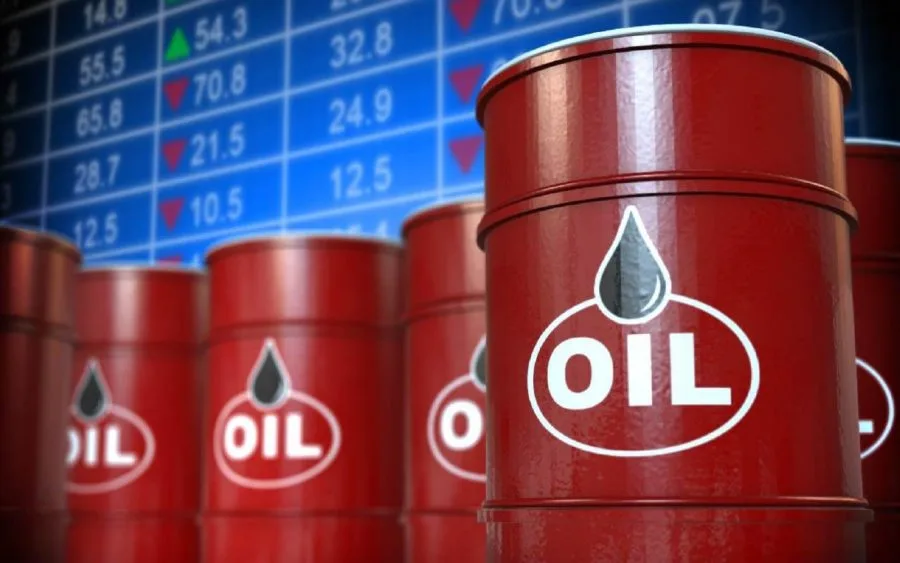
At the center of this paradox is the increase in crude oil prices following geopolitical tensions in the Middle East in early 2026. Brent crude prices rose significantly, at one point approaching $120 per barrel before moderating to lower levels in March. Nigerian crude exports also benefited from this upward trend.
For Africa’s largest oil producer, the implications are notable. Data released by the Nigerian National Petroleum Company indicates strong revenue performance in early 2026, supported by improved oil prices and production levels estimated at around 1.7 to 1.8 million barrels per day during the period.
Longer-term projections from the Nigerian Economic Summit Group suggest that sustained high oil prices could significantly boost government revenues, provided production remains stable and market conditions persist.
However, for many Nigerians, these gains remain largely intangible.
Despite increased export earnings, domestic economic conditions tell a different story. Fuel prices have risen sharply following the removal of subsidies and the crisis in the Gulf region, with pump prices exceeding ₦1,360 per litre in several parts of the country and higher in more remote areas. This marks a substantial increase compared to pre-reform levels.
The removal of fuel subsidies, while considered by many economists as a necessary fiscal reform, has exposed consumers to global oil price fluctuations. Higher fuel costs have had a ripple effect across the economy, increasing transportation costs, food prices, and the general cost of living.
As a result, inflationary pressures have intensified, significantly reducing purchasing power and placing additional strain on households during a period that would typically be marked by celebration.
Nigeria faces the risk of a familiar “boom-and-bust” cycle, where periods of high oil revenue do not translate into sustainable economic development.
Although higher oil prices can increase government revenue, a significant portion is often allocated to servicing existing public debt obligations. This limits the immediate impact on public services, infrastructure development, and social welfare programs.
Nigerians most continue to advocate for prudent fiscal management, including strengthening sovereign wealth savings and improving transparency in revenue allocation. Without such measures, temporary gains from oil price increases may not yield long-term economic stability.
Nigeria’s economic management team has claimed to be navigating a complex policy landscape. While subsidy removal has improved fiscal transparency and reduced certain inefficiencies, it has also introduced short-term social and economic challenges.
The true measure of this revenue increase lies not in its scale, but in how effectively it is managed and reflected on the citizens. Strategic investments in refining capacity, infrastructure, and social protection systems could help bridge the gap between macroeconomic performance and citizens’ lived experiences.
As churches fill with worshippers offering prayers for national healing and economic relief, the contrast between Nigeria’s oil-driven revenues and the realities faced by ordinary citizens remains stark.
For many Nigerians, Easter 2026 is defined less by celebration and more by toughness in the face of economic pressure, a reminder that growth without equitable distribution provides limited relief to the broader population.
Daniel Nduka Okonkwo is a Nigerian investigative journalist, publisher of Profiles International Human Rights Advocate, and policy analyst focusing on governance, institutional accountability, and political power. His work has appeared in Sahara Reporters, African Defence Forum, Daily Intel Newspapers, Opinion Nigeria, African Angle, and other international media platforms. He writes from Nigeria and can be reached at dan.okonkwo.73@gmail.com.