Education
Religious Equality in Nigeria: Addressing the Hypocrisy Over School Closures -By Yasir Shehu Adam
Nigeria’s strength lies in its diversity, and respecting all religions equally is crucial for unity. If Christmas and Easter breaks are considered normal, then Ramadan breaks should be as well. The attack on Northern governors is not about education—it is about religious bias. Nigerians must stand for fairness and reject any agenda that seeks to divide us along religious lines.

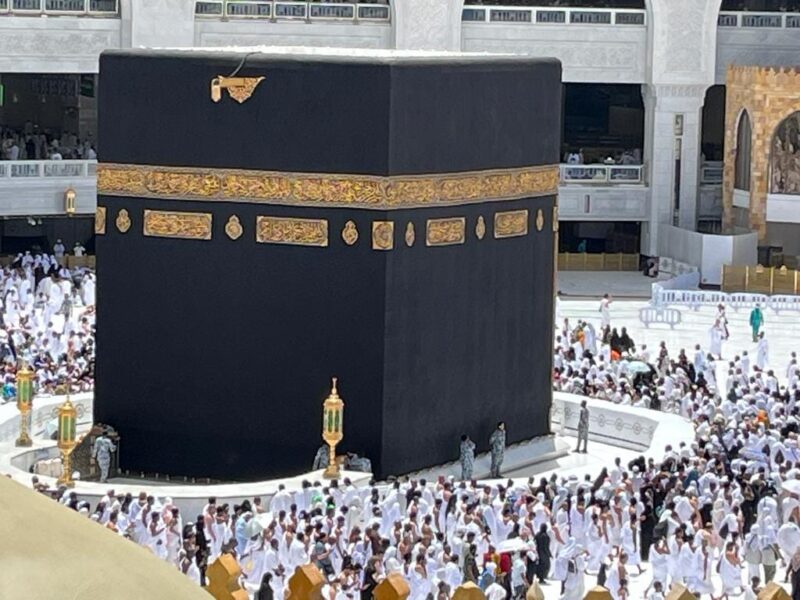
Nigeria is a diverse nation with multiple religions, cultures, and traditions. Ensuring fairness in policies that affect religious practices is essential for national unity. However, the recent criticism against Northern governors for closing schools during Ramadan exposes a worrying double standard. While Christian-majority states routinely shut down for Christmas and Easter without opposition, some groups are now attacking Muslim-majority states for doing the same. This is unfair and must be addressed.
The Unjust Criticism of Ramadan Breaks:
Recently, some Christian leaders and human rights activists, including the Christian Association of Nigeria (CAN) and humanist groups, condemned the decision by Bauchi, Katsina, Kano, and Kebbi governors to adjust their school calendars for Ramadan. They argue that it disrupts education and violates religious neutrality. However, their argument falls apart when we look at similar practices in Christian-majority states.
Christmas and Easter Closures: Where Was the Outrage?
In December 2024, Benue State declared a two-week break for civil servants to celebrate Christmas and New Year. Schools, banks, and public offices were closed. Similarly, for years, Cross River State has shut down schools and businesses for the annual Calabar Carnival, an entertainment festival with no religious obligation. None of these actions were questioned. There was no national debate, no accusations of violating educational rights.
So why the outrage when Northern states do the same for Ramadan, a sacred month for Muslims? This selective criticism suggests a deeper bias against Islamic practices rather than genuine concern for education.
Religious Fairness: A Two-Way Street
Nigeria operates under a democracy that respects religious freedom. If Christian states can declare holidays for their religious and cultural celebrations, then Muslim-majority states should have the same right. No religion should be treated as superior to another in policy decisions.
Critics argue that Nigeria is a secular state, but secularism does not mean suppressing religion. It means allowing everyone the freedom to practice their faith without discrimination. The Northern governors did not force anyone to fast—they simply provided an environment where Muslim students and teachers could observe Ramadan without stress. This is the same respect that Christian states give to their people during Christmas and Easter.
The Real Threat to Education: Strikes and Insecurity
If the concern is truly about education, then where was this outcry when teachers in the North went on strike, delaying school activities? Where was CAN when students were out of school for months due to insecurity and kidnappings? Education has faced far greater disruptions than a five-week Ramadan holiday, yet these same voices remained silent.
This raises an important question: Is the opposition to Ramadan breaks really about education, or is it about pushing an anti-Islam narrative?
Other Governors Should Learn from the North:
The Northern governors have demonstrated leadership by respecting the religious needs of their people. Other states should follow their example by ensuring policies reflect the beliefs and values of their populations. In a democracy, governance should represent the majority while protecting the minority. The fact that over 80% of people in these Northern states support the Ramadan break shows that the governors made the right decision.
Conclusion
Nigeria’s strength lies in its diversity, and respecting all religions equally is crucial for unity. If Christmas and Easter breaks are considered normal, then Ramadan breaks should be as well. The attack on Northern governors is not about education—it is about religious bias. Nigerians must stand for fairness and reject any agenda that seeks to divide us along religious lines.
Fairness must be a two-way street. Anything less is hypocrisy.
Yasir Shehu Adam (Danliman), Young Journalist and Writer from Bauchi.