Economy
Rising Prices, Falling Naira: Challenges to Affordable Living in Nigeria -By Egbe Kelvin
Perhaps no demographic feels this pressure more acutely than Nigeria’s youth. Thousands of graduates remain unemployed, while those fortunate enough to secure jobs often earn stagnant salaries that cannot cover basic monthly expenses. As the gap between incomes and the cost of living widens, frustration grows. This economic hopelessness has driven some young people to leave the country in search of better opportunities abroad, while others have turned to cyber fraud and other criminal activities.

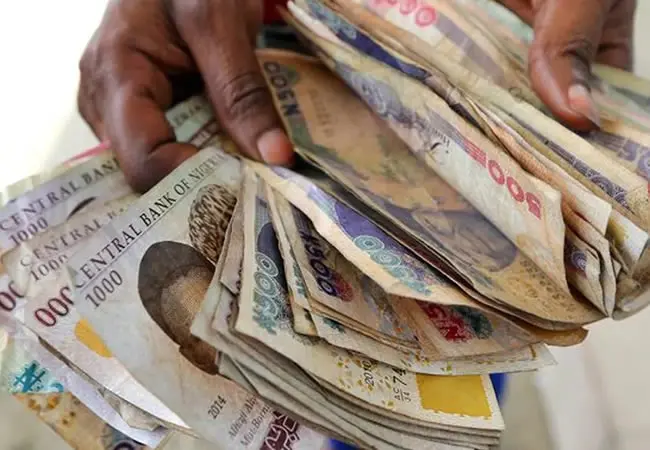
As of 2022, many Nigerian families could visit the market without worrying too much about the prices of basic items. However, over the past four years, things have changed drastically. The money that could once buy enough food and meet other basic needs is no longer sufficient in 2026. As it stands today, the value of the Nigerian naira continues to fall, making life more difficult for millions of Nigerians, especially those living in rural communities and towns such as Anambra and Ughelli. This stark reality is evident in the soaring prices of food, transportation, rent, and other essential goods. Consequently, the cost of living has increased significantly, leaving many families struggling to meet their daily needs.
Inflation stands as one of the major drivers of this economic crisis in Nigeria. Prices have remained stubbornly high while the local currency continues to lose value against the dollar. Currently, one United States dollar exchanges for about ₦1,500 to ₦1,750. Fuel prices have also surged, and the cost of cooking gas has risen sharply. For context, in January 2026, the price of gas was about ₦1,200 per kilogram, but by June, it had spiked to between ₦1,900 and ₦2,000 per kilogram. As transportation costs continue to escalate, traders spend significantly more money moving goods across states. Ultimately, these extra expenses are transferred to consumers, making almost every essential commodity increasingly expensive.
The devastating effects of this situation are visible in markets across the country. In places such as Agbarho, Warri, and Asaba, a 50 kg bag of rice that sold for about ₦26,000 in 2022 now sells for between ₦53,000 and ₦88,000 in 2026. Similarly, a loaf of bread that once cost around ₦500 now costs about ₦1,500, while a litre of cooking oil has jumped from ₦800 to ₦2,000 or more. A bucket of beans, previously sold for ₦3,000, now commands several thousand naira in many local markets. Today, it is common to see shoppers buying only half of what they normally would because that is all their budget permits. Many families are forced to spend the bulk of their income on food, leaving little to no room for school fees, healthcare, rent, and future savings.
Small businesses are equally feeling the pinch, finding it increasingly expensive to keep their doors open. Logistical costs have risen sharply, compounded by an unreliable electricity grid—a persistent challenge in areas like Agbarho, Abraka, Sapele, and many other parts of Nigeria. Furthermore, imported raw materials cost much more than they did a few years ago. As a result, many business owners have no choice but to increase the prices of their goods, even though they know their customers are already financially strained. To survive, some businesses have reduced their workforce, while others have shut down operations entirely.
Perhaps no demographic feels this pressure more acutely than Nigeria’s youth. Thousands of graduates remain unemployed, while those fortunate enough to secure jobs often earn stagnant salaries that cannot cover basic monthly expenses. As the gap between incomes and the cost of living widens, frustration grows. This economic hopelessness has driven some young people to leave the country in search of better opportunities abroad, while others have turned to cyber fraud and other criminal activities. Although poverty does not justify crime, some see it as their only means of survival when harsh economic conditions force them into making desperate choices.
To salvage the situation, government intervention is urgently required to stabilize the economy. Priority must be given to policies that will strengthen the naira, curb inflation, and stimulate local production. Farmers need targeted access to credit facilities, modern agricultural equipment, storage facilities, and rehabilitated roads to boost food production and reduce wastage. Local manufacturers also require robust support to reduce Nigeria’s heavy reliance on imported goods. On the individual level, citizens must practice financial prudence by prioritizing needs over wants, patronizing locally made products, and acquiring vocational skills to create alternative streams of income.
Conclusion: Nigerians have historically shown incredible resilience during difficult economic eras, but resilience alone cannot solve the current crisis. Every day, millions of families are forced to make hard choices about what they can afford, what must be postponed, and what they must completely do without. Until commodity prices stabilize, the naira regains its purchasing power, and household incomes align with the realities of the market, many Nigerians will continue to face an uphill battle for survival.