
Economy
The Rising Cost Of Living in Nigeria: Causes and Solutions -By Obaro Jonathan
Inflation is slowing down on paper, but the damage from years of rapid price increases has not been undone, and wages have simply not caught up. For ordinary households, that means rent, food, and transport still take up a larger share of income than they did a few years ago, regardless of what the headline inflation number says month to month. Strategic reforms in education, energy, and economic management remain essential to make Nigeria a better country.

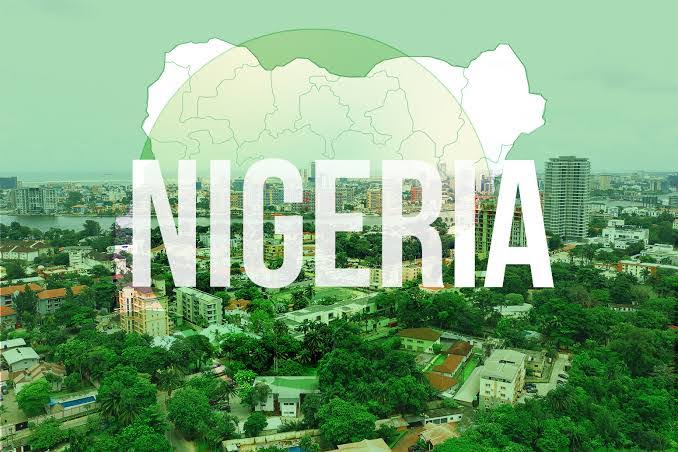
Nigeria’s rising cost of living has emerged as a significant and pressing issue, particularly among the poor. The situation worsened after Russia announced its war on Ukraine, leading to the recent soaring prices and falling living standards many Nigerians are facing right now. The cost of living crisis is getting worse every day. Cooking essentials also became significantly more expensive. For example, vegetable oil prices rose by 43%, wheat flour increased by 411%, and onion prices went up by 406%. Both local and imported rice became costlier, with local rice increasing by 378% and imported rice by 325%; in other words, a single cup has become very costly.
Essentially, following Nigeria’s inflation trend over the past five years helps explain the rise in food items during the period. After staying relatively stable in 2020 and 2021, food inflation began to pick up in 2022, effectively marking the start of an increase in food prices across the country. This period coincided with growing pressures such as the prices of cooking gas and fuel costs, which probably fed directly into the prices consumers paid for everyday items. Many citizens express shock at the pumps, where 1kg of cooking gas has now reached 2,000 Naira. According to Dataphyte analysis, the prices of cooking gas (5KG) and premium motor spirit (petrol) surged by 178% and 541% respectively over the last five years, further straining household finances and severely hitting low and middle-income earners.
Moreover, the sentiment of the general populace is well captured by the phrase: ‘My salary doubled in two years, but I feel poorer than I did before.’ That single sentence captures the reality of the cost of living in Nigeria in 2026. According to the National Bureau of Statistics (NBS), Nigeria’s headline inflation rate stood at 15.93% in May 2026, marking the third straight monthly rise this year. Food inflation alone hit 16.96% year-on-year. At the same time, the World Bank reported in its April 2026 Nigeria Development Update that the national poverty rate climbed to 63% in 2025, meaning 140 million Nigerians now live below the poverty line, up from 56% just two years earlier. While prices are not rising as fast as they were in 2024, incomes have not caught up either; that gap is the real story behind the cost of living in Nigeria today.
Furthermore, for a student earning and spending in Naira, a modest household budget falls between 200,000 and 400,000 Naira a month. That figure covers a single room or modest flat, basic food, transport to school, and textbooks, but leaves very little room for savings or emergencies. For someone earning in foreign currency, whether through remote work or marketing income, a comfortable monthly lifestyle costs closer to $1,000, which covers private housing, regular meals out, and a reasonable amount of leisure spending. The gap between these two realities is the clearest sign of how unevenly the cost of living in Nigeria is felt right now.
However, education and skills development remain the key determinants of social mobility, yet many Nigerians lack access to quality education and skills development opportunities. Nigeria must invest in training programs that equip individuals with the skills needed in high-demand sectors such as technology, because the world is moving forward rapidly in this field. By enhancing education and skills development, Nigeria can empower its citizens to secure better-paying jobs, thereby improving their economic well-being.
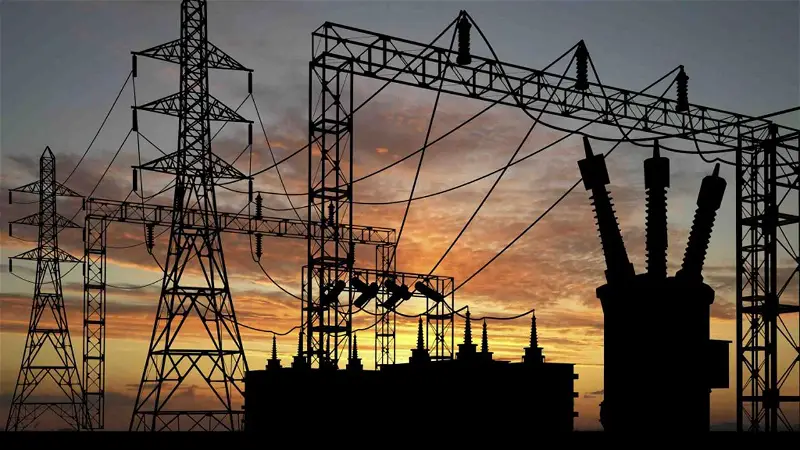
Furthermore, energy is a critical factor in the cost of living, and Nigeria’s over-reliance on expensive and unreliable fossil fuels has contributed significantly to high electricity costs. Nigeria can reduce its dependence on oil while creating jobs in the green sector. By doing so, the nation can lower the cost of living while contributing to global efforts against climate change.
In addition, timing large purchases around harvest seasons for food items and around Naira stability periods for anything imported helps mitigate expenses, since both food and import prices tend to ease at predictable points in the year. These strategies will not eliminate the pressure of a rising cost of living in Nigeria, but they consistently make the difference between a household that is constantly stretched thin and one that has a small buffer to fall back on.
In conclusion, the cost of living in Nigeria in 2026 tells a story of two speeds. Inflation is slowing down on paper, but the damage from years of rapid price increases has not been undone, and wages have simply not caught up. For ordinary households, that means rent, food, and transport still take up a larger share of income than they did a few years ago, regardless of what the headline inflation number says month to month. Strategic reforms in education, energy, and economic management remain essential to make Nigeria a better country.




















You must be logged in to post a comment Login