Breaking News
Sheikh Zakzaky Warns Against Ethnic Division, Exposes Hidden Agendas Behind Northern Nigeria’s Violence
The Sheikh concluded his speech with a firm reminder: “Our only refuge is in Allah. People must not allow themselves to be provoked into violence. Violence is what the oppressors seek.”

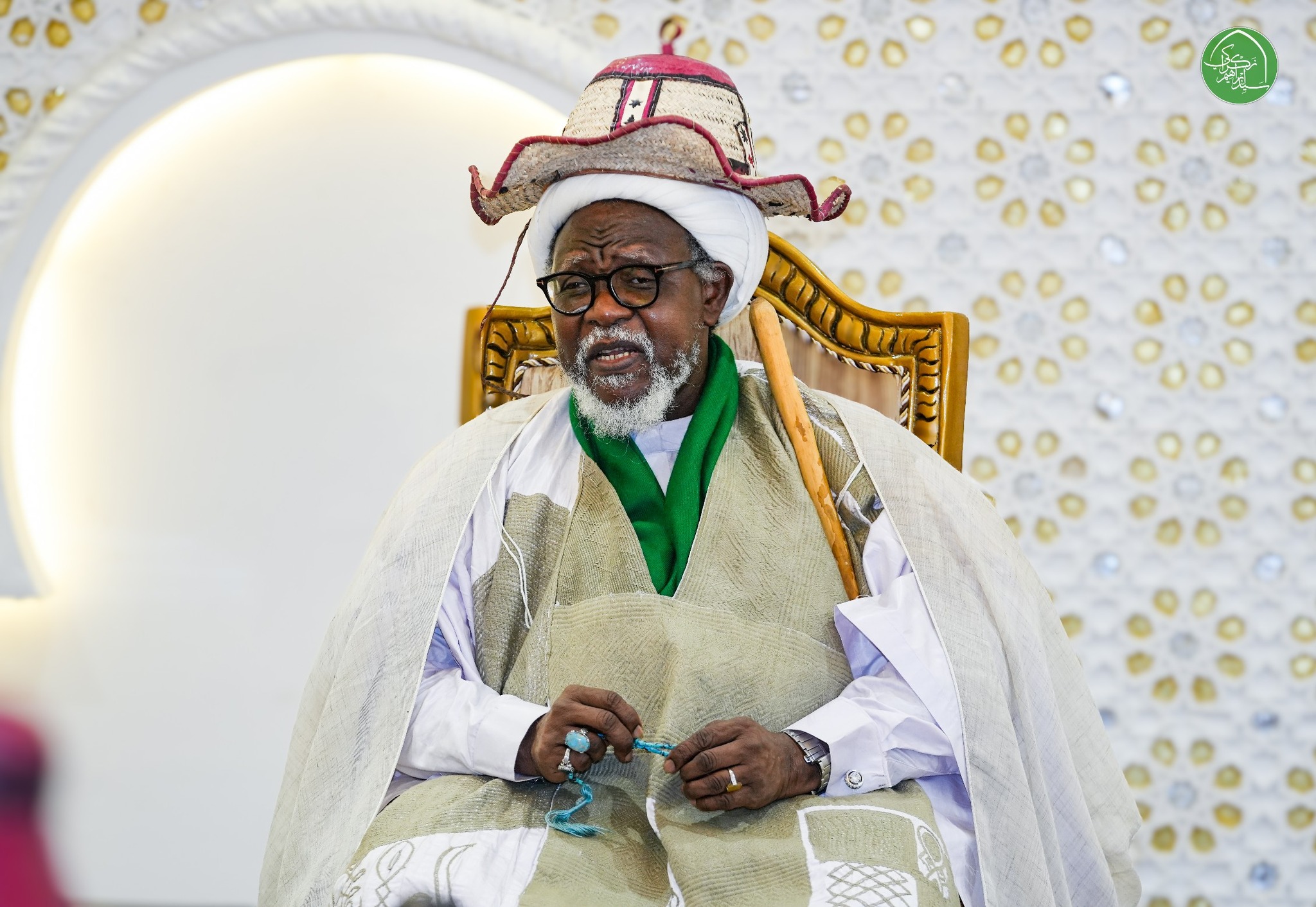
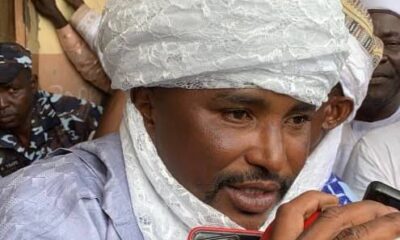
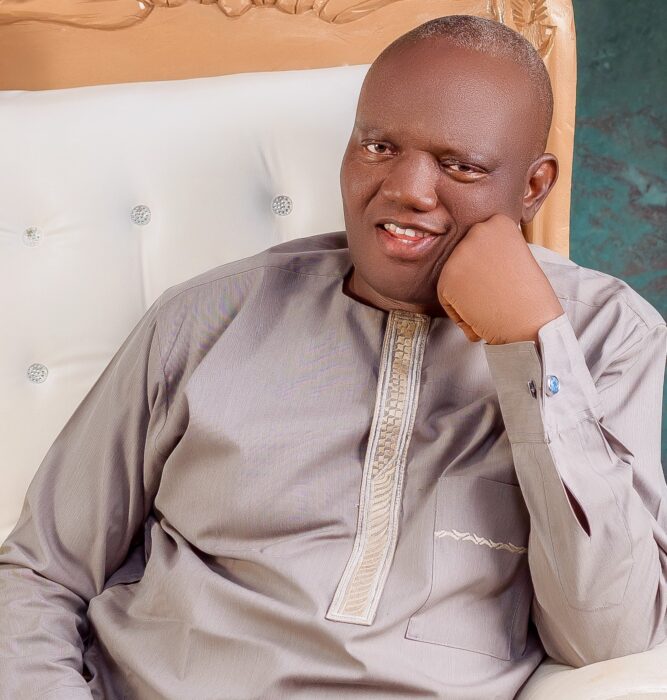
The leader of the Islamic Movement in Nigeria, Sheikh Ibraheem Zakzaky, has cautioned against ethnic divisions and rising violence in Northern Nigeria, warning that external forces and corrupt local actors are fueling unrest for their own gain.
Speaking at his residence in Abuja on Tuesday, April 22, 2025, while hosting delegates from various Fulani organizations, Sheikh Zakzaky expressed deep concern over attempts to pit Hausas against Fulanis. His address was shared via posts by his office on Facebook and X (formerly Twitter).
Sheikh Zakzaky criticised the notion that Hausa and Fulani are separate ethnic groups, reaffirming his longstanding view that “Hausa” represents a nation comprising many peoples and tribes — including the Fulani.
He lamented the deliberate manipulation that led to the current conflict: “Initially, they started with vigilante groups who would hunt down Fulani people, kill them, and seize their cattle. The Fulani herder, whose forefathers knew nothing but cattle herding, was displaced. Eventually, he was handed a gun and told to take revenge. That was the beginning of the killings. Now, they label Fulani herders as terrorists, encouraging their indiscriminate murder.”
Addressing the issue of justice, Sheikh Zakzaky questioned the logic of collective punishment: “If someone named Fulani commits a crime, should another innocent Fulani pay the price? Justice demands that the real offender be tried in court, not the community punished at large. But today, the agenda is endless conflict.”
He further warned that enemies are trying to engineer conflict between Hausa and Fulani by falsely presenting them as distinct tribes. “Thanks to God,” he said, “their plot has not taken full root in people’s hearts.”
Citing devastated towns such as Funtua, Malumfashi, and Giwa, Sheikh Zakzaky accused foreign powers and corrupt local officials of orchestrating a campaign to destroy peaceful coexistence: “They want to empty the land — not because they care about the people, but to exploit the wealth beneath their feet.”
He emphasised that much of the chaos is centered in Northern Nigeria, where destruction of cattle-rearing, farming, and trade threatens to force people into displacement.
Sheikh Zakzaky urged the Fulani delegates to rely on Allah for protection and to avoid areas of chaos, even if relocation becomes necessary. “Insha Allah, we will overcome this crisis. Our dignity and deliverance lie in clinging firmly to religion,” he said.
He warned against calls for division, even those disguised as religious teachings:
“If someone teaches you religion but incites you to label other Muslims as polytheists and reject them, know that such a person is a devil aiming to sow discord.”
The Sheikh decried the infiltration of sectarianism into both tribal and religious spheres, warning: “It’s the same divisive strategy — whether under the banner of ethnicity or religion.”
He praised the Fulani people’s traditional virtues — kinship, modesty, respect for elders, and communal solidarity — and urged them to preserve these values. “Good character is essential,” he said, quoting the Prophet Muhammad (S): “‘I was sent to perfect good character.’”
Turning to recent events, Sheikh Zakzaky condemned the violent attack on Quds Day participants by Nigerian security forces, during which 27 people were reportedly killed. “Only six of the bodies fell into our hands,” he said, “while around 21 remain with them, unreleased.”
He criticised the authorities’ justification for the attack: “If you were truly searching for firearms, why threaten to seize the bodies of those you killed? Were you seeking justice — or simply bloodshed?”
According to the Sheikh, the plan was to massacre and remove all evidence of the killings. “They only have the power to kill the defenseless,” he said, warning that such plots have merely shifted tactics but not abandoned their original intent.
Comparing Nigeria’s military leadership with neighboring countries where soldiers overthrew governments to defend their people, Sheikh Zakzaky lamented: “Here, they conspire to kill their own citizens.”
The Sheikh concluded his speech with a firm reminder: “Our only refuge is in Allah. People must not allow themselves to be provoked into violence. Violence is what the oppressors seek.”
He also sent a clear message to the oppressors: “Know that Allah is never unjust, and oppression never lasts — even if it appears prolonged. History testifies that all forms of tyranny eventually meet their end.”