

GTCO and Zenith led six Nigerian banks that paid N1.27trn dividends in 2025, while five profitable lenders could not pay due to CBN restrictions.
The Federal Government's proposed reforms provide a promising foundation for repositioning Nigeria's housing sector. Their ultimate success, however, will depend not only on the quality of...
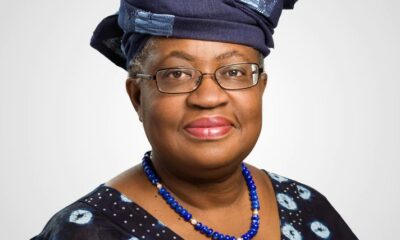

Top policymakers, including CBN Governor Olayemi Cardoso and WTO chief Ngozi Okonjo-Iweala, will discuss strategies for strengthening Africa's economies at the 7th Africa Emerging Markets Forum.

The MPC's decision is an act of prudence not a policy of conservatism. It is quite justified for the MPC to adopt a tight monetary policy...

Perhaps the greatest lesson from Heritage Bank is not merely whether politics influenced events, something that remains unproven in the public domain, but whether Nigeria's institutional...

Nigeria's Supreme Court has ruled in favour of the Federal Government, upholding the forfeiture of assets linked to former CBN Governor Godwin Emefiele.

United Bank for Africa says Tony Elumelu will step down as chairman in 2026 in line with CBN rules, while Emmanuel Nnorom takes over leadership.

CBN has withdrawn the operating licenses of 46 MfBs effective July 1 due to non-compliance with BOFIA 2020 and other regulatory issues.
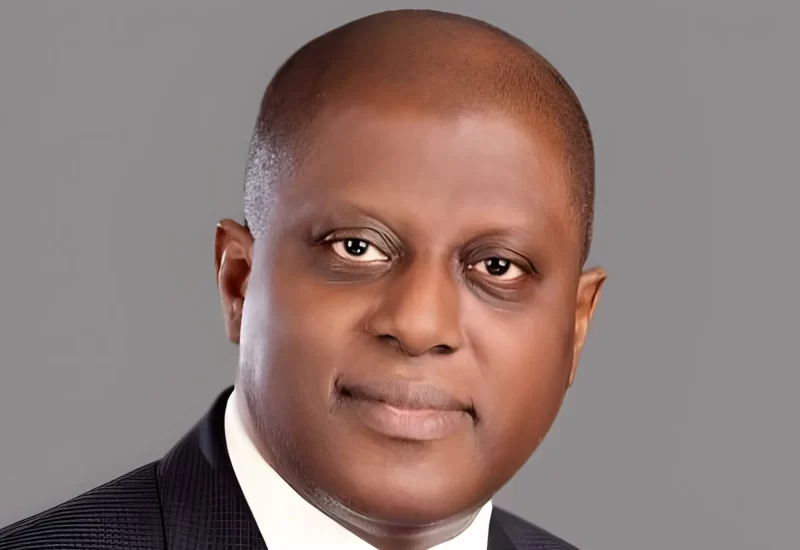
The Central Bank of Nigeria has reshuffled its deputy governors, moving Philip Ikeazor to policy and Abdullahi to corporate services.

If Nigeria truly hopes to build a resilient and inclusive economy, then the banking sector must once again become a vehicle for national development rather than...
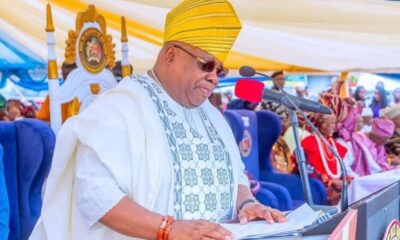

Chris Imumolen says Tinubu did not campaign for Adeleke but his decision not to deploy federal power against the governor...

Kebbe Local Government has distributed food and household supplies to families displaced by terror attacks while paying medical bills for...
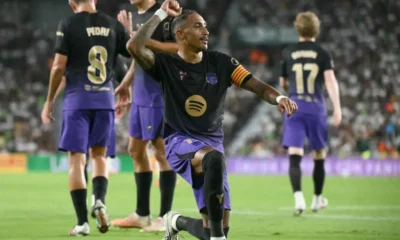

Raphinha and Fermin Lopez scored twice each as Barcelona cruised to a 5-0 victory over Elche in their La Liga...
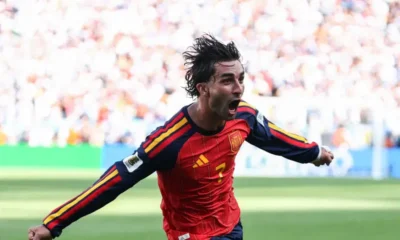

Ferran Torres rescued PSG with two goals as the French champions came from 2-0 down to draw 2-2 at Rennes...

Nollywood veteran Taiwo Hassan ‘Ogogo’ has died at 66 after a battle with Stage 4 cancer. His daughter announced his...
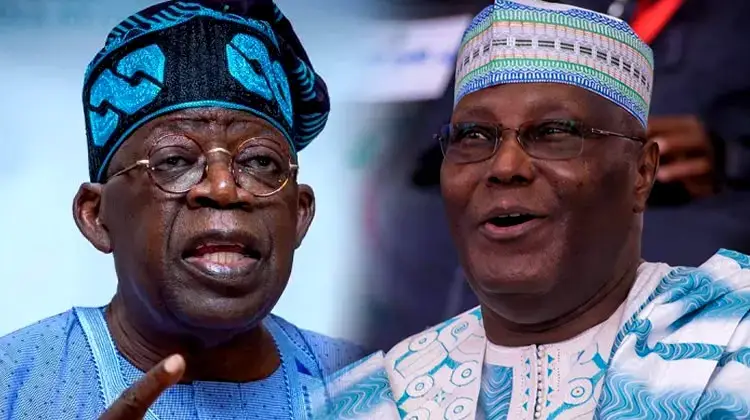
Former Vice President Atiku Abubakar defends his targeted fuel subsidy plan and accuses the Tinubu administration of favouring oil investors...
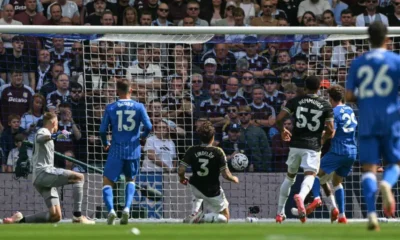

Brighton thrashed Aston Villa 4-0 at the Amex Stadium as Maxim de Cuyper scored twice and Jack Hinshelwood netted a...
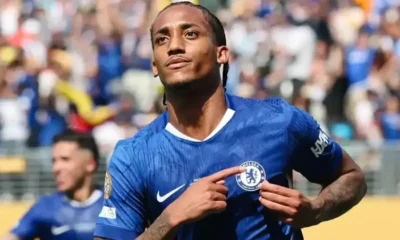

Joao Pedro has extended his Chelsea contract after scoring 20 goals in his debut season, committing his future to the...
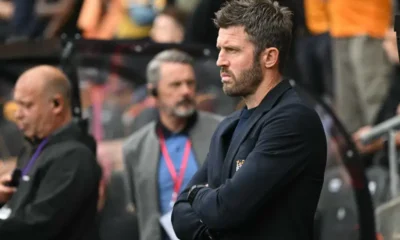

Man Utd began their Premier League campaign with a 2-0 loss to Hull as Michael Carrick admitted his team have...
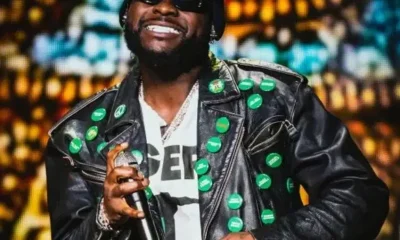

Edo Commissioner Kassim Afegbua says Davido was not banned from the state and would be happily hosted if he chooses...


For more than seven decades, Ghana and Russia have had excellent diplomatic relations and looking forward to build a stronger...

Liverpool face their first season without Mohamed Salah since 2016, while Man City begin life after Pep Guardiola under Enzo...

NESG forecasts 15.5% inflation and 4.2% GDP growth for Nigeria in 2026, with oil, manufacturing and services expected to support...
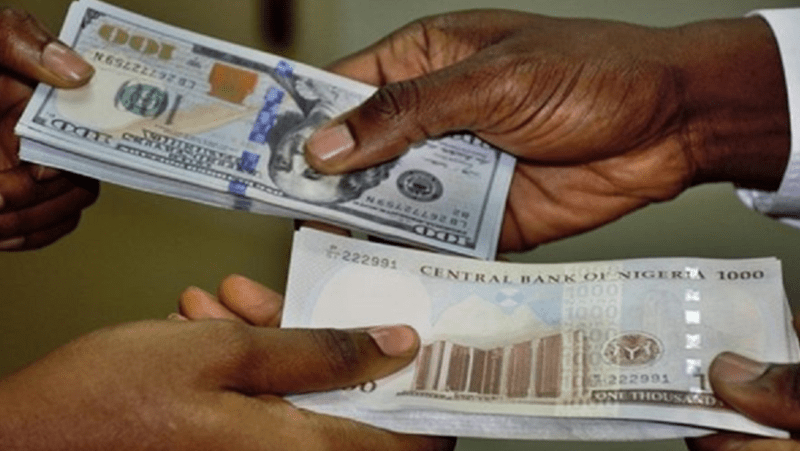
USD to NGN today: The dollar is quoted at ₦1,344.45 at NFEM and about ₦1,404 in the black market on...

Jamal Musiala has returned to training after undergoing tests following his collapse during Bayern Munich’s friendly against RB Leipzig.

Full list of Super Eagles players who changed clubs this summer, including Awoniyi, Iheanacho, Akor Adams, Onyedika, Orban and Onyeka.


Todd Boehly and Mark Walter could sell their Chelsea shares to Clearlake Capital, with reports suggesting they value their stake...

Arsenal beat Manchester City 3-0 in the Community Shield as Enzo Maresca suffered a difficult first major test following Pep...
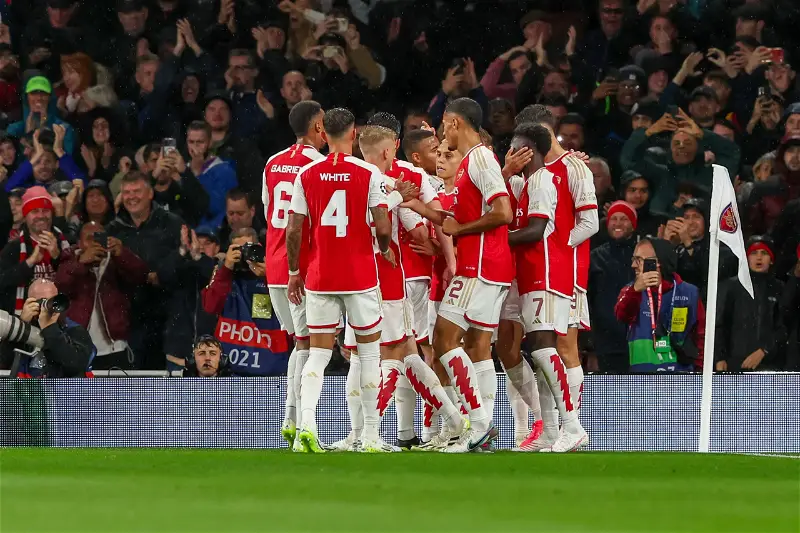
Arsenal and Manchester City clash in the Community Shield as Enzo Maresca takes charge of City for the first time...