Africa
The Deteriorating State of Education in Nigeria: A Barrier to National Development -By Falmata Ibrahim Kolo
The government should increase budgetary allocation to the sector and ensure that funds are used transparently and effectively. Teacher training and welfare must be prioritized to improve the quality of instruction. The curriculum should be reformed to emphasize science, technology, engineering, and vocational skills that meet the demands of the 21st-century economy. Additionally, investment in digital infrastructure can expand access to learning opportunities, especially for children in remote areas.

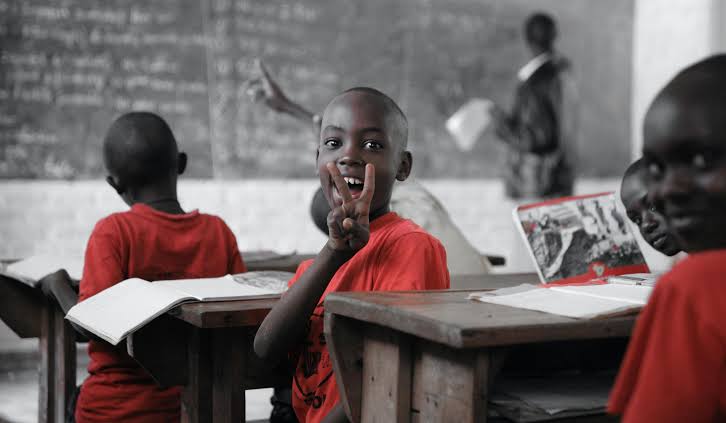
Education is universally recognized as the cornerstone of national development, yet in Nigeria, it remains one of the most neglected sectors. Despite being Africa’s most populous nation with immense human potential, Nigeria’s education system faces numerous challenges that hinder its growth and effectiveness. From inadequate funding to poor infrastructure and a declining standard of teaching, the state of education in the country reflects a crisis that threatens its social and economic progress. The consequences of this neglect are evident in the rising rate of illiteracy, unemployment, and social instability among the youth.
One of the most glaring problems confronting education in Nigeria is underfunding. Successive governments have failed to allocate the recommended 15–20% of the national budget to education as advised by UNESCO. Instead, the sector often receives less than 10%, making it difficult to address pressing needs such as school infrastructure, teacher training, and curriculum development. Many public schools across the country are in deplorable conditions — with leaking roofs, overcrowded classrooms, broken furniture, and insufficient learning materials. These poor learning environments discourage attendance and contribute to the decline in educational quality.
Teacher welfare and motivation are also major concerns. Teachers in Nigeria, especially those in public schools, are often underpaid and overworked. Many go months without receiving their salaries, leading to frequent strikes and disruptions in the academic calendar. When teachers are poorly motivated, the quality of instruction suffers. Moreover, there is a shortage of qualified educators, particularly in science and technical subjects. As a result, many students graduate without acquiring practical skills or adequate knowledge to compete in the modern world.
The problem of out-of-school children is another critical challenge. According to UNICEF and other international organizations, Nigeria has one of the highest numbers of out-of-school children globally, with millions of boys and girls deprived of formal education. Factors such as poverty, early marriage, insecurity, and cultural beliefs contribute to this alarming statistic. In the northern part of the country, insurgency and banditry have forced many schools to close, while in rural areas, the absence of nearby schools makes access to education difficult. This situation perpetuates a cycle of ignorance and poverty that hinders national progress.
The curriculum used in many Nigerian schools is outdated and disconnected from the realities of the modern economy. It emphasizes rote learning rather than critical thinking, creativity, and problem-solving. In an age driven by technology and innovation, Nigeria’s education system still struggles to integrate digital literacy and vocational training. This mismatch between what is taught and what is required in the job market contributes to the high rate of graduate unemployment. Many young people leave school without employable skills, leading to frustration and, in some cases, involvement in crime or social unrest.
Another aspect that reflects the decay in the education system is the frequent strikes by tertiary institutions, especially universities. The Academic Staff Union of Universities (ASUU) has repeatedly gone on strike to demand better funding, improved infrastructure, and fair compensation. These prolonged disruptions not only delay students’ academic progress but also lower the overall quality of tertiary education. Many students seek alternatives abroad or in private universities, which are often too expensive for the average Nigerian family, thereby deepening inequality in educational access.
Gender disparity in education is still a major issue, particularly in rural and northern Nigeria. Cultural and religious norms often place less value on educating girls, leading to early marriages and domestic responsibilities that prevent them from attending school. Although several initiatives have been launched to promote girl-child education, progress remains slow. Empowering girls through education has been proven to yield immense social and economic benefits, yet the gap persists due to deep-rooted traditional beliefs and lack of awareness.
Corruption also plays a significant role in the decline of education standards. Funds meant for school development are often mismanaged or embezzled by officials. Admission processes in some institutions are compromised by favoritism and bribery, undermining merit and discouraging hardworking students. Examination malpractice has become rampant, with students and teachers alike participating in unethical practices that devalue academic integrity. This moral decay not only affects the credibility of Nigeria’s education system but also erodes the values that education is supposed to uphold.
To address these problems, Nigeria must place education at the center of its national development agenda. The government should increase budgetary allocation to the sector and ensure that funds are used transparently and effectively. Teacher training and welfare must be prioritized to improve the quality of instruction. The curriculum should be reformed to emphasize science, technology, engineering, and vocational skills that meet the demands of the 21st-century economy. Additionally, investment in digital infrastructure can expand access to learning opportunities, especially for children in remote areas.
Finally, education should be seen as a collective responsibility, not just a government obligation. Parents, communities, private organizations, and international partners must work together to ensure that every Nigerian child has access to quality education. Awareness campaigns should promote the importance of education, especially for girls, while strict policies should address corruption and examination malpractice. If Nigeria is to achieve sustainable development and compete globally, it must invest in its human capital through a robust, inclusive, and modern education system. Only through quality education can the nation unlock the potential of its people and secure a prosperous future.
Falmata Ibrahim Kolo student of mass communication Kashim Ibrahim University, Maiduguri