
Africa
Africa’s Real Problem Isn’t Talent — It’s the System That Fails It -By Mohammed Basah
Everywhere I go, I meet young people who still believe. They’re not waiting for government jobs or foreign aid — they just want a fair chance. They remind me that hope is not dead in Africa; it’s just waiting for structure. And so, as I tell every aspiring entrepreneur I meet: your idea is the seed, your skill is the soil, but the system — that’s the rain. Let’s make it rain.

I’ve met brilliant people on the streets of Lagos, Abuja, Kaduna, Jos, Gombe, Kano, Port Harcourt, Calabar, Uyo, Enugu, Nnewi, Johannesburg and Cape Town. Not just people who can talk big ideas, but young men and women who can build, who can sell, who can make things happen — the kind of people who can turn a ₦10,000 idea into something that feeds a family. Yet every time I talk to them, there’s a familiar sadness in their eyes, a mix of drive and exhaustion. It’s not that they don’t have ideas. It’s that they don’t have systems. Talent can start a fire, but systems keep it burning.
That, in simple terms, is Africa’s biggest challenge — not a shortage of skill, creativity, or passion. Those we have in abundance. What we lack are systems that help ordinary people transform their spark into sustainable impact. We’ve repeated a lie so often it sounds like truth: that Africa has a talent problem. The truth is, we don’t. What we have is a conversion problem. Every year, our universities, polytechnics, and training centres produce millions of graduates — dreamers, creators, and innovators — but only a handful end up building enterprises that survive beyond the first year. It’s not because they’re lazy or unserious; it’s because the ecosystem around them is broken.
They face barriers on every side. Information poverty keeps them from making informed business decisions. Market disconnect ensures they don’t know how to find or retain customers. And then there’s execution fatigue — they’re doing everything alone, without structure, support, or a framework to help them scale. Yet these same people have the same drive as their peers in Singapore, South Korea, or Finland — countries that invested early in systems, not slogans.
We love inspiration in Africa. We love motivational quotes and loud conferences. We love to say “Don’t give up.” But inspiration without structure is just emotional caffeine — it gives you a rush, then a crash. If motivation alone built nations, Nigeria would be an economic superpower by now. Systems are what separate success stories from survival stories. Look at Japan, China, South Korea, Singapore, and Finland — countries that transformed their economies within a generation. They didn’t do it through speeches. They built robust systems that allowed talent to flourish: education systems that taught problem-solving, industries that encouraged innovation, and policies that supported entrepreneurs instead of stifling them. In Singapore, Lee Kuan Yew didn’t just preach hard work. He built frameworks for accountability, innovation, and excellence. Finland stopped teaching rote memorization and focused on problem-solving — and became a global education model. Meanwhile, we’re still teaching young people to memorize states and capitals instead of how to solve problems in their communities.
When I founded Ideas Foundry Limited, it was with one clear purpose — to close the capability gap between potential and performance for African entrepreneurs. We started by asking a simple question: why do so many ideas die early in Africa? The answers were consistent — lack of mentorship, poor market insight, and an absence of structures that turn creativity into commercial success. So, we built a platform to help fix that. Through Entrepreneurship Tonic, our digital magazine and training initiative, we share the stories, frameworks, and strategies that help young entrepreneurs navigate the tricky early stages of business. Our focus is to amplify ideas, empower people, and drive development. We don’t just want more entrepreneurs; we want better prepared entrepreneurs — ones who understand systems and can build ventures that endure.
I’ve watched young men with potential fall through the cracks. They start with a small dream — maybe a tech idea or a tailoring business. They work day and night, hustling to feed themselves and their dream. Then one day, they burn out. Not because they’re not talented, but because there was no ladder for them to climb. That’s what happens in countries without functioning systems. Talent keeps trying to climb, but the ladder is broken — there’s no access to finance, weak policy support, little business education, and a near absence of mentorship. The painful truth? For every young Nigerian that “makes it,” there are hundreds of equally talented ones who never get the chance. We must fix the ladder, not just cheer the climbers.
Africa’s future will not be defined by politicians or its biggest corporations, but by its builders — those who take raw ideas and craft them into systems that others can build upon. We need a generation of people who stop asking for opportunities and start building the platforms that create them. That’s what we’re doing at Ideas Foundry — creating an ecosystem that helps people move from inspiration to implementation. Because the goal is not just to have more dreamers, but doers who know how to dream effectively — people who can build systems that outlive them.
So, what can we do? We need to teach systems thinking early, not just dream selling. We must reward execution, not eloquence. We must invest in entrepreneurial infrastructure — not just conferences that motivate for a day but change nothing. And we must build collaboration between academia, government, civil society, and business. Above all, we must change the narrative. Let’s stop calling failure “laziness” when it’s really “system failure.” If we get this right — if we build systems that help people translate potential into performance — Africa will no longer be known as the land of untapped talent, but as the continent of unstoppable builders.
Everywhere I go, I meet young people who still believe. They’re not waiting for government jobs or foreign aid — they just want a fair chance. They remind me that hope is not dead in Africa; it’s just waiting for structure. And so, as I tell every aspiring entrepreneur I meet: your idea is the seed, your skill is the soil, but the system — that’s the rain. Let’s make it rain.
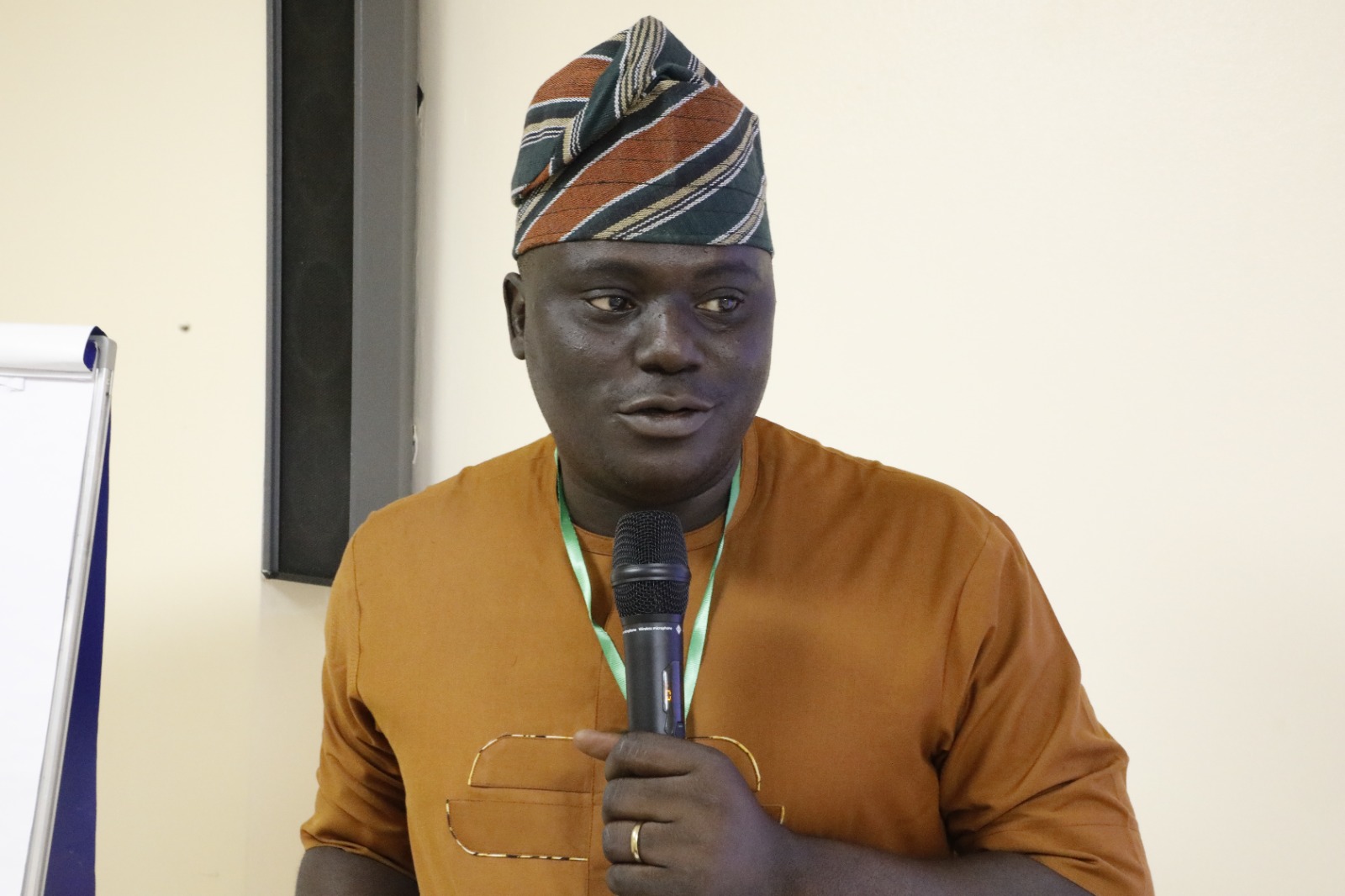
Mohammed Basah, who wrote from Abuja, is the Founder of Ideas Foundry Limited and Chief Curator of Entrepreneurship Tonic. He is helping Africa’s entrepreneurs move from ideas to impact.

























You must be logged in to post a comment Login