Africa
The Nigerian Public Officer as a Receptionist -By Ike Willie-Nwobu
Their entire public lives for which they are paid astronomically and rather scandalously must be framed around service to the people who elected them. To do this effectively, they have to learn to talk less and do more.

In developed dynamic democracies, elected government officials treat requests and inquiries from the people with supreme courtesy, respect, and responsiveness. In Nigeria, the reverse is sadly the case.
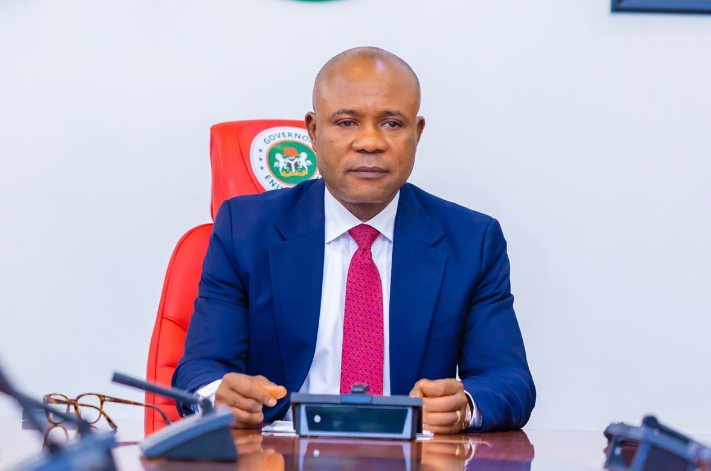
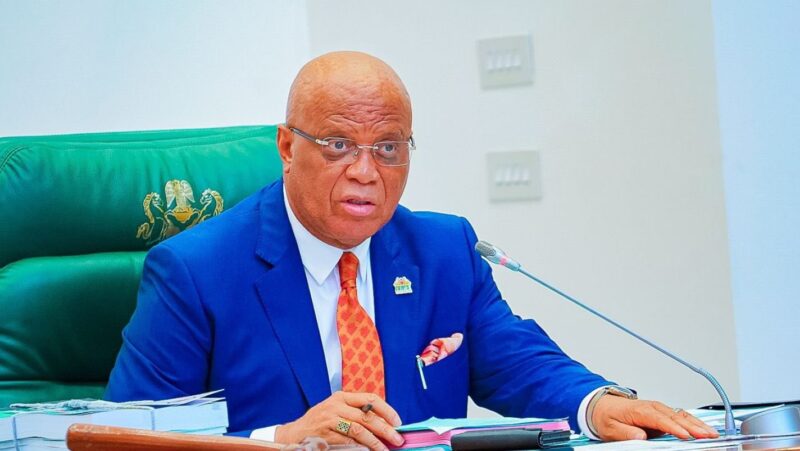
Recently,at a public event, pressed to explain his aloofness, unavailability, inaccessibility, and lack of accountability to the people who elected him, Eno Umo, the controversy-courting governor of Akwa Ibom lashed out . While letting loose a fusillade of rhetorical questions, he was desperate to stress that he was not a receptionist who should be taking calls from people.
Nigeria’s leadership problems and failures are as multifaceted as their government is multi-tiered. While the Federal Government sits atop the pile, the State Government occupies the middle position while the local government comes in third place. This is as constitutional as it is convenient in Nigeria. The problem is that it appears that the arrangement has become too convenient.
For many Nigerians, the toxicity, and intensity of their criticism is reserved for the Federal Government. This is understandable as the buck stops there. It may also be justified as Nigeria’s flawed federalism gives a huge chunk of resources and responsibilities to the Federal Government. Concentrating the volume and venom of criticism on the Federal Government has largely let state governments off the hook despite the enormous resources that go to them and their abysmal failure to justify the receipt of same.
In the darkness bred by a lack of scrutiny on state governments, many state governors have become demigods, doing as they please and viewing those who elected them with condescension and contempt. It explains the recent outburst from the Akwa Ibom State Governor whose reputation for characteristically uncharitable and classless outbursts now precedes him.
He doesn’t consider himself to be a receptionist while being a governor but his responsibilities to his people demand that he show the courtesy and decorum receptionists are renowned for. More importantly, he should always be available to field their questions and inquiries, listen to their problems and address their grievances. This is what he is sworn to do. It is the duty he owes them and the constitution and it should certainly not be beneath him to play the role of a “ receptionist” to his people.
The place of a governor of a state is not in Abuja where they seek political patronage with the president. This makes condemnable the fact that some state governors practically live in Abuja from where they govern their states.
Neither is the place of the governor in the media where endless noise swell into the the tale of the idiot full of sound and fury signifying nothing.
The place of the governor Is also not in aimless foreign trips which burn tax payer money with nothing to show for it. The place of the governor is in his state, fielding questions from his people and finding ways to make their lives more meaningful and comfortable.
Therefore, Governor Eno and all other public officers who are perpetually perched on their high horse will do well to climb down without further delay now that it is still day. They are nothing without those who elected them and soon the tyrannical transience of power will return them to their nebulous nothingness unless they make the most of the opportunities they have now.
Their entire public lives for which they are paid astronomically and rather scandalously must be framed around service to the people who elected them. To do this effectively, they have to learn to talk less and do more.
Unfortunately, the prudent art of talking less and doing more appears to be beyond many Nigerian public officers.
Ike Willie-Nwobu,
Ikewilly9@gmail.com