Forgotten Dairies
While Headlines Celebrate Successful Strikes, Ordinary Citizens Still Endure Insecurity Daily: Nigerians Question the Impact of U.S.-Nigeria Military Collaboration -By Daniel Nduka Okonkwo
The contradiction remains difficult to ignore. Despite increased intelligence-sharing and joint military operations, insurgent and bandit groups continue to intensify their activities in several parts of the country. Many Nigerians are therefore left asking whether international military collaboration is truly shifting the balance in favor of peace and security, or whether deeper political, economic, and social reforms are needed to complement military action and address the root causes of violence.

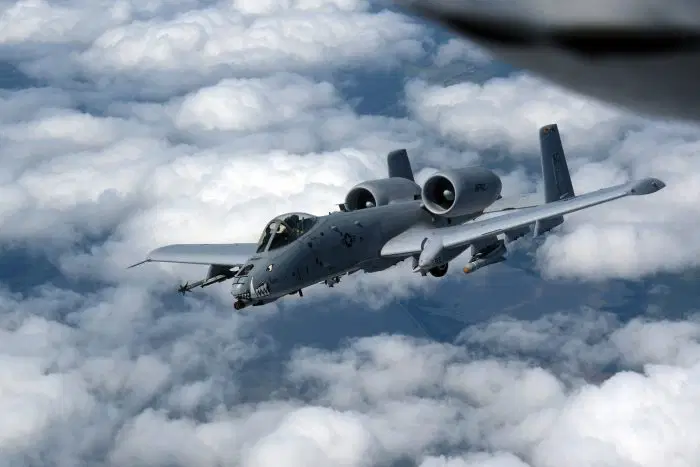
Nigeria’s conflict-ridden regions, the sound of gunfire and the sight of burning villages remain a grim reality, even as government officials present international military cooperation as a turning point in the fight against insecurity. Joint operations between the Nigerian Armed Forces and the United States Africa Command (AFRICOM) have been announced with significant attention, with promises to weaken extremist groups and restore stability. Yet for many citizens, the daily experience of insecurity tells a different story. Despite airstrikes and intelligence-sharing, insurgents and bandits continue to expand their reach, leaving communities questioning whether this collaboration has made any tangible difference in their lives.
Despite high-profile joint operations between the Nigerian Armed Forces and AFRICOM, many Nigerians argue that the partnership has not translated into meaningful security improvements on the ground.
Recent strikes in northeastern Nigeria reportedly killed 175 militants and eliminated senior ISIS commanders, including Abu-Bilal al-Minuki, described as Daesh’s global number two. These operations demonstrate the combined military and intelligence capabilities of both nations. However, analysts and citizens alike maintain that such tactical victories have not significantly reduced the broader wave of violence affecting communities across the country.
Boko Haram and ISWAP remain deeply entrenched in the northeast, particularly in Borno, Yobe, and Adamawa states. In the northwest and north-central regions, bandit networks continue to dominate, with Sokoto, Kaduna, and Niger states experiencing repeated attacks. Plateau State has also become a major flashpoint for inter-communal clashes, farmer-herder conflicts, and suspected land-grabbing activities, resulting in mass killings, displacement, and humanitarian concerns.
Security experts caution that while joint strikes may weaken militant capabilities, they do not dismantle the socio-economic foundations sustaining insurgency. Terrorist groups remain embedded within local economies, relying on extortion, illicit trade, and community-level recruitment. Destroying camps may disrupt immediate operations, but it does not eliminate the networks that continue to fuel violence.
For many Nigerians, the collaboration feels distant from their everyday realities. Villages still experience night raids, homes continue to be destroyed, and thousands of residents remain displaced. The perception among many citizens is that while international headlines celebrate successful strikes and military achievements, ordinary people continue to endure insecurity daily.
Nigeria has consistently emphasized that U.S. forces operate strictly in a non-combat and technical support capacity, reinforcing the country’s commitment to protecting its territorial sovereignty. While politically important, this arrangement means that the burden of frontline combat operations largely falls on Nigerian security forces, which are already stretched across multiple conflict zones nationwide.
The contradiction remains difficult to ignore. Despite increased intelligence-sharing and joint military operations, insurgent and bandit groups continue to intensify their activities in several parts of the country. Many Nigerians are therefore left asking whether international military collaboration is truly shifting the balance in favor of peace and security, or whether deeper political, economic, and social reforms are needed to complement military action and address the root causes of violence.
Daniel Nduka Okonkwo is a Nigerian investigative journalist, publisher of Profiles International Human Rights Advocate, and a policy analyst whose work focuses on governance, institutional accountability, and political power. He is also a human rights activist and advocate, with a strong commitment to justice and transparency.
His reporting and analysis have been featured in Sahara Reporters, African Defence Forum, Daily Intel Newspapers, Opinion Nigeria, African Angle, NewsBreak (local.newsbreak.com), Vanguard Newspaper, Daily Trust Newspapers, and other international media platforms.
He writes from Nigeria and can be reached at dan.okonkwo.73@gmail.com.