Education
Why Nigerian Universities Need EFCC Units on Campuses and Preventive Counseling Systems -By Psychologist John Egbeazien Oshodi
Once illegal wealth becomes socially respected, moral boundaries begin collapsing quietly. A generation slowly begins to associate intelligence with manipulation rather than discipline. Patience becomes mocked. Hard work appears slow. Deception begins to look efficient.

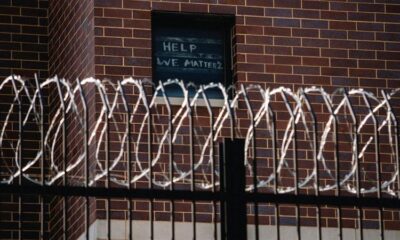
Nigeria’s universities were once regarded as sacred grounds of intellectual growth, moral discipline, social refinement, and national hope. For generations, families across the country viewed higher education as the bridge between suffering and dignity, between poverty and possibility. Parents sold land, borrowed money, sacrificed comfort, endured hunger, and carried enormous economic burdens because they believed that sending a child to university meant giving that child a lawful pathway toward stability, respect, and a better future.
Today, however, many Nigerian campuses are increasingly confronting a different and more dangerous battle, one far deeper than overcrowded classrooms, deteriorating hostels, unstable academic calendars, inadequate facilities, or prolonged strike actions. A troubling psychological and cultural crisis is gradually spreading through parts of the university system. It is the growing normalization of internet fraud culture, criminal glamour, violent intimidation, cult influence, and underground networks of unlawful wealth among segments of the student population.
The problem is no longer hidden in whispers behind hostel walls or confined to secret conversations in off campus lodges. It now appears openly in arrests, displays of sudden unexplained wealth, luxury vehicles driven by unemployed students, online scam networks, cult linked violence, intimidation structures, and deadly disputes tied to fraudulent proceeds. In some environments, the language of “Yahoo” has become so socially normalized that students who refuse involvement may begin to feel financially inadequate, psychologically isolated, or left behind in a society increasingly obsessed with visible wealth.
At the same time, Nigeria must be careful not to unfairly stigmatize an entire generation of students because of the actions of a dangerous minority. Most Nigerian students are not criminals. Many are still struggling honestly through poverty, academic pressure, family sacrifice, emotional stress, and uncertainty about the future while trying to build lawful and meaningful lives. Many remain disciplined, hardworking, and committed to education despite the harsh economic realities surrounding them. However, honesty also demands that the country stop pretending the problem does not exist. Certainly, there are students deeply involved in organized cyber fraud networks, and in some campuses their influence has become increasingly visible through sudden wealth, aggressive recruitment patterns, intimidation, cult protection systems, and even violent disputes connected to fraudulent activities. Ignoring this reality simply because society fears stigmatization will only allow the crisis to grow more deeply beneath the surface.
This is no longer merely a crime issue.
It is a psychological issue.
It is a moral issue.
It is a developmental issue.
It is an institutional issue.
And increasingly, it is becoming a national security issue.
The recent killings connected to alleged fraud related disputes at the University of Benin should deeply disturb every Nigerian parent, educator, policymaker, religious leader, and student. Reports suggesting that a young student was allegedly executed after examinations over a ₦90 million Yahoo dispute, followed by additional deaths linked to the violence, are horrifying enough on their own. Yet what should frighten Nigeria even more is what these events represent beneath the surface. They suggest that criminal economies, violent enforcement systems, and underground power structures may slowly be finding space within environments originally designed for learning, character development, and human advancement.
That is the deeper tragedy.
A university gate should symbolize hope, growth, discovery, and future possibility. It should not become a place where students are hunted, executed, or caught in gunfire because criminal cultures and violent financial disputes have entered campus life unchecked.
When Fraud Culture Becomes Campus Culture
One of the greatest mistakes Nigeria continues to make is treating student fraud as isolated misconduct carried out by a few dishonest individuals. The reality is much deeper and far more dangerous.
Fraud culture is gradually becoming social culture in some environments.
This is how institutional erosion begins.
The danger is not only that some students commit fraud. The danger is that fraud increasingly appears admired. Students observe others displaying expensive cars, designer clothing, hotel lifestyles, nightclub spending, and sudden financial power without visible legitimate income. Over time, criminal wealth begins to reshape what success looks like psychologically within student environments.
The honest student who studies constantly may begin to feel invisible.
The disciplined student may begin to feel foolish.
The struggling student may begin to feel desperate.
The vulnerable student may begin to feel tempted.
That is where the real crisis starts.
Once illegal wealth becomes socially respected, moral boundaries begin collapsing quietly. A generation slowly begins to associate intelligence with manipulation rather than discipline. Patience becomes mocked. Hard work appears slow. Deception begins to look efficient.
This psychological transformation is one of the most dangerous consequences of fraud culture because it does not remain limited to cybercrime. It spreads into values, relationships, identity formation, peer influence, and eventually violence.
The Psychological Recruitment of Vulnerable Students
Many students do not enter universities intending to become criminals. Some arrive carrying deep economic fear, family pressure, identity insecurity, and anxiety about unemployment after graduation. They are surrounded by social media environments constantly glorifying wealth, luxury, and public financial display.
In many communities today, visible money attracts admiration faster than visible character.
That social reality matters psychologically.
Students begin asking dangerous internal questions:
Will education truly save me?
Will hard work really matter?
Why are dishonest people succeeding faster?
Why am I suffering while others are spending freely?
These thoughts create emotional vulnerability. Organized fraud recruiters understand this. They rarely introduce cybercrime initially as serious criminal behavior. Instead, it may be presented as “smartness,” “formatting,” “survival,” “connection,” or temporary hustling.
A student who initially only wants quick money for survival can gradually become absorbed into larger systems involving identity theft, cryptocurrency laundering, extortion, romance scams, blackmail, and violent enforcement groups.
Eventually, some students become trapped psychologically. Once illegal money enters their lives, fear also enters. Fear of exposure. Fear of betrayal. Fear of losing status. Fear of rivals. Fear of retaliation.
That is why disputes tied to fraud increasingly escalate violently. Criminal economies do not operate through trust for long. They operate through intimidation, secrecy, and control.
The Dangerous Union Between Fraud and Cultism
Perhaps the most frightening aspect of this growing crisis is the merging of fraud culture with cult structures.
Fraud provides money.
Cultism provides enforcement.
Together, they create dangerous underground systems inside academic environments.
Fraud money can finance weapons, loyalty networks, intimidation, and recruitment. Cult groups can then provide protection, retaliation, and territorial control. Once these structures combine, disputes over money or betrayal no longer remain ordinary disagreements. They become violent power struggles.
This is why the UNIBEN killings should not be dismissed as isolated tragedy. They may represent warning signs of something larger growing beneath the surface in parts of the university system.
A society must become deeply concerned when educational environments begin producing fear alongside degrees.
Universities Are Trying, But the Problem Has Outgrown Them
Fairness also demands honesty.
Many university leaders across Nigeria are genuinely trying to reduce these problems. Several Vice Chancellors, Student Affairs divisions, counseling units, campus security departments, and disciplinary committees have implemented anti cult campaigns, awareness programs, security reforms, disciplinary measures, and collaborations with local authorities.
These efforts deserve recognition rather than ridicule.
Many administrators are operating under extremely difficult conditions involving underfunding, overcrowding, political pressures, technological limitations, inadequate security infrastructure, and wider national economic instability. Some university leaders genuinely fear that if these issues continue growing unchecked, the reputation of Nigerian higher education may suffer irreversible damage both locally and internationally.
But despite sincere efforts, the painful reality remains that the scale and sophistication of organized cybercrime now exceed what most universities can realistically manage internally.
University disciplinary systems were originally designed to address cheating, absenteeism, hostel misconduct, or ordinary student behavioral violations. They were never designed to dismantle cybercrime systems involving cryptocurrency transactions, digital financial tracing, international victims, organized scam networks, or complex online fraud operations.
A disciplinary committee cannot perform digital forensic investigations.
A hostel supervisor cannot track cryptocurrency laundering.
A counseling office cannot dismantle organized criminal networks alone.
Nigeria must stop pretending universities can solve this problem in isolation.
Why EFCC Units on Campuses May Now Be Necessary
The idea of EFCC presence on campuses will naturally make many Nigerians uncomfortable. Concerns about abuse, intimidation, profiling, or militarization are legitimate and cannot be dismissed casually.
Nigeria’s history has created understandable distrust toward law enforcement institutions. Many citizens fear extortion, arbitrary treatment, political misuse, or excessive force. Those fears are real.
But Nigeria must also ask a difficult question:
What happens if the country continues allowing fraud culture to spread deeper into campuses without meaningful preventive structures?
The proposal for EFCC campus units should not be misunderstood as a call for aggressive raids or hostile occupation of universities. Instead, such units should function as carefully regulated intelligence, prevention, and cybercrime response structures focused specifically on financial crime detection, digital investigation, early intervention, and student protection.
Deterrence matters psychologically.
Human beings constantly calculate risk. Right now, many students involved in fraud believe the likelihood of serious consequences remains low. Some operate openly because they assume investigations are weak, delayed, avoidable, or negotiable.
That mindset changes once specialized anti cybercrime systems become institutionally present nearby.
The purpose is not to terrorize students.
The purpose is to interrupt normalization before criminal culture becomes dominant campus culture.
Counseling Must Be Equal to Enforcement
If EFCC structures are introduced without counseling systems, the entire effort may fail.
This crisis is not only legal. It is deeply psychological.
Enforcement alone cannot heal moral confusion, economic desperation, peer pressure, identity insecurity, or hopelessness about the future. Nigerian universities already possess structures that can become part of the solution if strengthened properly.
Counseling centers, psychology departments, Student Services divisions, mentorship programs, and guidance units should become active prevention partners rather than passive administrative offices.
Students need continuous intervention around:
Digital ethics and cyber responsibility.
Psychological resilience.
Identity and self worth.
Financial stress management.
Social media pressure.
Career development.
Legitimate technology opportunities.
The emotional consequences of criminal lifestyles.
Some students involved in early fraud activities are not hardened criminals yet. Some are emotionally overwhelmed, socially manipulated, psychologically insecure, or economically desperate. Early counseling intervention could redirect lives before deeper criminal entrenchment occurs.
There should also be rehabilitation pathways for students caught at early stages. Not every case should immediately end in permanent destruction. Carefully monitored diversion programs involving counseling, mentorship, skill development, and behavioral monitoring may save some students before they become permanently absorbed into organized criminal systems.
The Fear and Silence Destroying Campus Life
One painful truth often ignored is that many students already know who is involved in criminal activity around them.
They know who suddenly became wealthy.
They know which hostels are feared.
They know who recruits vulnerable students.
They know who moves with cult protection.
But many remain silent.
They fear retaliation.
They fear institutional failure.
They fear becoming targets themselves.
That silence slowly transforms campus psychology. Students begin adjusting movements, avoiding certain people, avoiding certain spaces, and living cautiously instead of freely.
A university should never become an environment where survival instincts replace intellectual freedom.
The Cost of Ignoring the Crisis
If Nigeria refuses to confront this issue honestly, the consequences will extend far beyond universities.
International employers may increasingly distrust Nigerian graduates.
Foreign universities may intensify scrutiny toward Nigerian applicants.
Honest students may carry unfair stigma globally.
Parents may lose confidence in campus safety.
Most dangerously, Nigeria risks raising a generation psychologically conditioned to believe deception is smarter than integrity.
No society can sustain healthy development when criminal glamour becomes more admired than intellectual achievement.
Conclusion: Nigeria Must Protect Education Before Fear Replaces Hope
The goal is not to criminalize students.
The goal is to protect education itself.
Most Nigerian students are hardworking young people trying to survive difficult realities while pursuing meaningful futures. They deserve campuses where learning matters more than fraud culture, where integrity is respected more than intimidation, and where hope is stronger than desperation.
Policing alone will not solve this crisis.
Counseling alone will not solve it either.
But a carefully balanced partnership between preventive counseling systems, institutional transparency, student protection mechanisms, and specialized anti cybercrime enforcement may offer Nigeria a realistic path forward.
Universities should remain places where dreams are built, not environments where organized fraud networks quietly recruit vulnerable youth under the disguise of survival.
Nigeria still has time to intervene wisely.
But the country must first admit how serious the crisis has become.
About the Author
John Egbeazien Oshodi is an American forensic and clinical psychologist, educator, researcher, and author with expertise in forensic psychology, policing, corrections, behavioral science, public ethics, and cross-cultural psychological practice. His work spans clinical, academic, forensic, correctional, and institutional settings across the United States, Africa, and the Caribbean, with a strong focus on psychology, justice systems, governance, education, and community development.
Born in Uromi, Edo State, Nigeria, Prof. Oshodi grew up within a law enforcement environment as the son of a 37-year veteran of the Nigeria Police Force. That background helped shape his lifelong interest in policing systems, criminal justice reform, institutional behavior, and the psychological dimensions of leadership and public safety.
In 2011, he helped introduce advanced forensic psychology into Nigeria through the National Universities Commission and Nasarawa State University, where he served as Associate Professor of Psychology. His contributions expanded awareness of forensic psychology, correctional rehabilitation, criminal behavior assessment, and mental health applications within Nigerian higher education and related institutional systems.
Prof. Oshodi teaches in the Doctorate in Clinical and School Psychology program at Nova Southeastern University and in the Doctorate Clinical Psychology, BS Psychology, and BS Tempo Criminal Justice programs at Walden University. He also lectures virtually in Management and Leadership Studies at Weldios University and ISCOM University, while serving as a visiting virtual Professor of Forensic and Clinical Psychology at Nasarawa State University. In addition, he serves as President and Chief Psychologist of the United States based Oshodi Foundation, Center for Psychological and Forensic Services. He is the founder of Psychoafricalysis (Psychoafricalytic Psychology), an African centered framework integrating culture, identity, history, spirituality, and future oriented human development into psychological science and practice. His work emphasizes culturally grounded approaches to healing, education, institutional reform, behavioral understanding, and human development.
Prof. Oshodi has authored more than 1,000 articles, multiple books, and numerous peer reviewed publications addressing forensic and correctional psychology, policing, victimology, mental health, higher education reform, democracy, ethical leadership, and African institutional development. His writings are recognized for combining psychological depth, practical application, cultural relevance, and public policy awareness.