Economy
Why Strengthening Nigeria’s Banks Matters -By Isah Aliyu Chiroma
One major benefit of this move is that it makes our banks stronger and better able to handle tough times. With more money in reserve, banks can stay steady even when the economy hits a rough patch. The changes have also pushed banks to use better ways of managing risks and running their businesses, keeping up with international standards. All of this helps make sure our financial system is ready for whatever comes next.

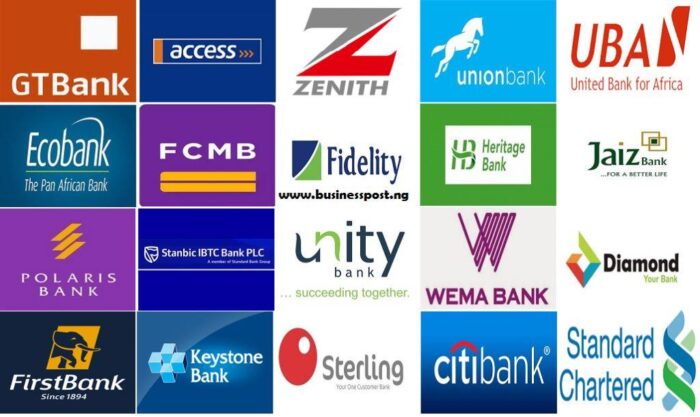
“The recapitalisation programme has strengthened the capital base of Nigerian banks, reinforcing the resilience of the financial system and ensuring it is well-positioned to support economic growth and withstand domestic and external shocks.”
– Olayemi Cardoso, Governor, Central Bank of Nigeria.
In April 2026, Nigeria finished a major project to strengthen its banks, led by the Central Bank of Nigeria (CBN). This move required banks to have more money on hand by the end of March. The goal was to make sure our banks are strong enough to handle tough times and help our economy stay competitive. For a country as dynamic as Nigeria, having solid banks is key to keeping the economy moving forward.
Nigerian banks have had to deal with ups and downs, from changes in the economy and the value of our currency to not always having the best ways to manage risks. These problems became even tougher as Nigeria worked to build more industries, increase exports, and grow the economy. By asking banks to raise more money, the government wanted to make sure they could handle surprises and keep helping important parts of the economy, while also meeting international standards.
Before this change, many Nigerian banks simply didn’t have enough money to support big, long-term projects that help the country grow. The new policy set clear rules: international banks now need at least ₦500 billion; national banks need ₦200 billion. By raising the bar, the government wanted to make sure our banks could truly help build the future of Nigeria.
The results have been impressive. By the deadline, banks pulled together an incredible ₦4.65 trillion in new capital. Thirty-three banks reached the new targets, showing how quickly they could adapt. Both Nigerian and international investors joined in, proving that people have real confidence in the future of our economy.
One major benefit of this move is that it makes our banks stronger and better able to handle tough times. With more money in reserve, banks can stay steady even when the economy hits a rough patch. The changes have also pushed banks to use better ways of managing risks and running their businesses, keeping up with international standards. All of this helps make sure our financial system is ready for whatever comes next.
With more money, banks can now lend more to big projects—like building roads, powering communities, starting factories, and investing in technology. These are the kinds of projects that create jobs, fight poverty, and help Nigeria compete with other countries. Stronger banks mean we’re in a better position to support the businesses and ideas that will drive our country’s growth.
The fact that international investors took part in this recapitalisation shows that the world is paying attention to Nigeria and believes in our future. When banks have stronger finances, it not only boosts their ratings but also keeps the whole system safer and more stable. This is good news for everyone, from small business owners to regular people who use banks every day.
This recapitalisation was possible because the Central Bank, the Ministry of Finance, and the capital markets all worked closely together. When government and banks are on the same page, it’s easier to keep prices stable, manage money in the economy, and support growth. That teamwork is a big part of why this reform worked.
These changes are not just about fixing things today, they set us up for long-term success. Now, our banks can support small businesses, companies that export products, and major building projects. This makes it easier for more people to get loans and for the economy to grow in a way that benefits everyone, not just a few.
This is the biggest change to our banks since 2005. It has brought Nigeria’s banking rules and safety measures up to date with what’s expected around the world. The benefits—like a stronger economy and more steady growth—will last for years and help shape Nigeria’s future.
Most banks have already met the new standards, but a few are still working to catch up. The Central Bank has put stronger rules in place to make sure all banks are run well and safely. This means banks will be ready to help people and businesses as our economy keeps growing.
Olayemi Cardoso, the Central Bank Governor, put it simply: “We can’t have real economic growth without strong banks. This recapitalisation makes sure our banks can provide the money needed to power a trillion-dollar economy.”
Recapitalising our banks isn’t just something the government wanted; it is something Nigeria truly needs. As we look to the future, strong and trustworthy banks are the foundation for lasting prosperity. By making banks stronger today, we’re protecting our economy, encouraging new ideas, and making sure growth reaches everyone. This isn’t just a policy; it is a promise to build a banking system that serves all Nigerians, now and for generations ahead.