
Forgotten Dairies
Xenophobic Violence: It Seems South African Government Is Complicit By Inaction -By Isaac Asabor
The young people carrying out these attacks did not create xenophobia in isolation. They emerged from a political and social environment where hostility toward immigrants has too often been ignored, minimized, or quietly exploited.

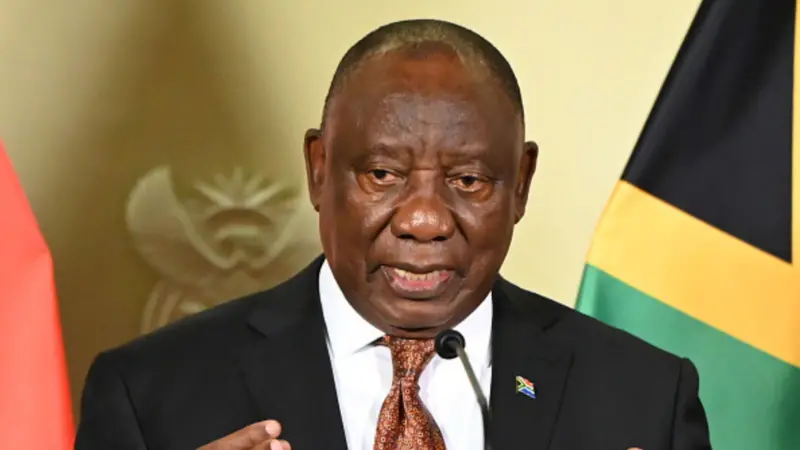
There are few tragedies more painful than betrayal from those who once stood shoulder to shoulder in a common struggle. That is precisely what Africa witnesses each time xenophobic violence erupts in South Africa. When mobs descend on Nigerians, Zimbabweans, Ghanaians, Ethiopians, Somalis, Mozambicans, Malawians, and other African nationals with sticks, petrol bombs, and hatred, the violence represents more than criminality. It is a betrayal of African solidarity and a rejection of the very ideals upon which post-apartheid South Africa was built.
Even more disturbing is the response of the South African government. It condemns the attacks, expresses concern, promises investigations, and then retreats into silence until the next outbreak occurs. This repetitive cycle raises a troubling question: at what point does failure to act become complicity?
The truth is uncomfortable but unavoidable. Xenophobic violence in South Africa has persisted for far too long for the government to continue claiming helplessness. Since the deadly attacks of 2008 that left scores dead and displaced thousands, South Africa has experienced repeated waves of anti-immigrant violence in 2010, 2015, 2017, 2019, and beyond. Foreign-owned businesses have been looted and burned, innocent people assaulted, and entire communities terrorized.
Yet despite the recurring nature of the crisis, the response from authorities has remained largely reactive rather than transformative. Statements are issued after blood has already been spilled, but meaningful long-term measures capable of dismantling the roots of xenophobia remain glaringly absent.
A government genuinely committed to ending a crisis does not merely manage headlines. It confronts causes. South Africa’s leadership has instead appeared more invested in containing international embarrassment than in permanently addressing the conditions fueling anti-immigrant violence. That failure increasingly resembles political indifference.
Following the 2019 attacks in Johannesburg and Pretoria, President Cyril Ramaphosa strongly condemned the violence and attempted to reassure African nations that South Africa remained welcoming to foreign nationals. Diplomatic envoys were dispatched, particularly to Nigeria, whose citizens suffered heavily during the unrest.
However, condemnation without enforcement quickly loses credibility. Where were the sweeping reforms? Where were the visible prosecutions designed to deter future attacks? Where were the sustained public education campaigns aimed at dismantling anti-African hostility? The reality is that few tangible measures emerged with enough force to create lasting change.
Justice functions as deterrence only when it is visible. When perpetrators of mob violence face weak consequences or quietly return to their communities, the message conveyed is one of tolerance rather than accountability. In many instances, victims have been left with the impression that their lives and livelihoods are expendable.
More troubling still is the role played by some political figures in normalizing anti-immigrant sentiment. Across different levels of government, foreign nationals have repeatedly been blamed for unemployment, crime, and social hardship. The rhetoric that “foreigners are taking jobs” or are responsible for criminality has not remained confined to angry street mobs; it has also echoed from elected officials.
Such scapegoating is both dishonest and dangerous. South Africa’s economic crisis did not begin with African migration. The country’s deep unemployment, inequality, and poverty are rooted in the enduring legacy of apartheid, weak economic reforms, educational shortcomings, and structural inequality that democratic governments have struggled to dismantle. Blaming immigrants for these longstanding problems is not serious analysis. It is political convenience.
When leaders repeatedly frame foreigners as threats, they create an atmosphere where violence becomes easier to justify. Politicians do not need to physically participate in attacks to bear responsibility. By feeding resentment and legitimizing suspicion, they help cultivate the conditions in which violence flourishes.
The irony at the heart of this crisis is impossible to ignore. During apartheid, South Africa benefited immensely from the solidarity of other African nations. Countries such as Zambia, Tanzania, Zimbabwe, Mozambique, and Angola sheltered anti-apartheid activists, financed liberation efforts, and absorbed South African refugees. Many paid economic and political costs for standing against apartheid.
To now witness citizens of those same nations attacked and displaced in South African communities is a painful contradiction that undermines the moral authority South Africa once commanded across the continent.
The vision of pan-Africanism championed by leaders such as Kwame Nkrumah, Patrice Lumumba, Thomas Sankara, and embraced by the African National Congress during the liberation struggle was built on unity, shared destiny, and mutual respect among African peoples. Xenophobic violence strikes directly at the heart of that vision.
Equally important is the failure of civic education. Many young South Africans have grown up without sufficient exposure to the broader history of African solidarity and interconnectedness. Too many have been conditioned to see fellow Africans as competitors rather than partners in a shared continental journey.
This educational failure has consequences. Young people attacking Nigerians, Ethiopians, or Congolese immigrants often do not perceive themselves as attacking fellow Africans. Instead, they believe they are defending scarce opportunities from outsiders. That perception reflects years of inadequate civic orientation and weak investment in pan-African consciousness.
The government possesses the tools to confront this problem through educational reform, youth engagement initiatives, and community-based programs promoting tolerance and African unity. The fact that such efforts remain insufficient reflect not merely oversight, but lack of political urgency.
Supporters of anti-immigrant sentiment often attempt to justify hostility on economic grounds, arguing that migrants burden the economy or deprive locals of opportunities. Yet evidence consistently shows that immigrants contribute meaningfully to economic activity. Many establish businesses, employ local residents, create commercial networks, and provide services within underserved communities.
The Somali and Ethiopian shop owners repeatedly targeted during attacks are not enemies of South Africa’s economy. In many cases, they are entrepreneurs sustaining local commerce under difficult conditions. The government has failed to communicate this reality effectively, allowing misinformation and resentment to thrive unchecked.
South Africa now stands at a crossroads. If the government truly wishes to end xenophobic violence, it must move beyond symbolic condemnation and embrace decisive action. Perpetrators of xenophobic attacks must face swift and public prosecution. Political leaders who incite hostility against immigrants must be held accountable for reckless rhetoric. Schools and communities must actively promote African solidarity and historical awareness. Regional cooperation on migration through the African Union must also become a serious priority.
The rest of Africa is watching carefully, and many are increasingly disillusioned. They see a nation that once benefited enormously from continental solidarity now struggling to guarantee safety for fellow Africans within its borders. They hear strong words from leaders but witness weak action on the ground.
South Africa still possesses an opportunity to reclaim its moral standing and demonstrate that African unity is more than political symbolism. But every delayed response, every unpunished attack, and every inflammatory political statement deepen the perception that the government is tolerating a dangerous culture of xenophobia through inaction.
The young people carrying out these attacks did not create xenophobia in isolation. They emerged from a political and social environment where hostility toward immigrants has too often been ignored, minimized, or quietly exploited.
Ultimately, the blood spilled on the streets of Johannesburg and Durban cannot rest solely on the hands of the mobs. It also stains the conscience of leaders who repeatedly failed to act decisively when action was most needed.
Africa deserves better. The victims deserve better. And South Africa’s future credibility within the continent may well depend on whether its government finally finds the courage to confront this crisis with seriousness rather than symbolism.
























You must be logged in to post a comment Login