Forgotten Dairies
2025: Genocide, Missile and Other Issues -By Usman Abdullahi Koli
By the year’s close, one conclusion is unavoidable. 2025 was not a season of miracles. It was a season of exposure. Governance demonstrated competence and direction in some areas, while revealing gaps in empathy and communication in others. Citizens displayed resilience, but also impatience and a refusal to be sustained by rhetoric alone. Reform is underway. Its success depends on trust, empathy, and the capacity of leaders to carry the public along honestly.

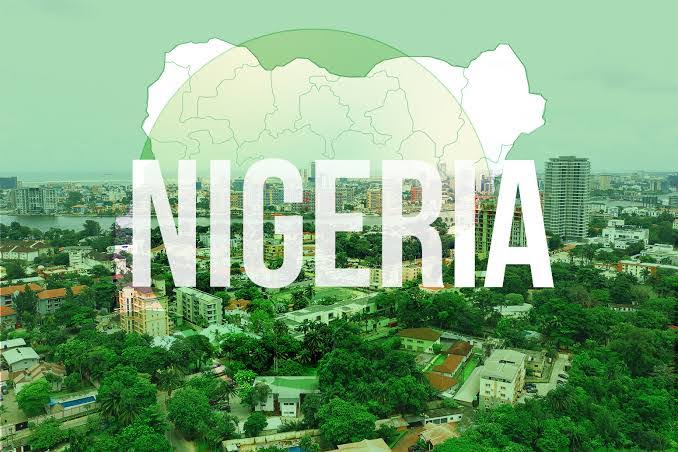
“Tempora mutantur, nos et mutamur in illis.” Times change, and we change with them. Some years arrive with spectacle, with upheaval that demands attention. Others arrive quietly, insistently, reshaping life before their weight is fully understood. 2025 in Nigeria was of the latter. It did not collapse. It did not triumph. It compelled the nation to confront itself.
On a Tuesday morning in early January, before any official pronouncement or statistical briefing, the country was already aware of the season’s challenge. At the motor parks, drivers adjusted fares in silence, anticipating the rising cost of fuel. From Idumota Market in Lagos to Monday Market in Maiduguri and Sabo Gari Market in Kano, traders shifted prices mid-morning, recalibrating their margins as households silently reshuffled meals and transport plans.
Some Nigerians recounted how they had begun rationing electricity at home and combining trips to reduce petrol expenses. Survival, not aspiration, became the framework of daily life. Everyone began to adjust to the sharp inflationary impact of the new economic regime.
President Bola Ahmed Tinubu had warned that national renewal would be neither fast nor painless. He described it as a painful surgery necessary to recalibrate the economy for future gains. By midyear, the warning had manifested. Inflation, driven by food and energy prices, persisted relentlessly. The naira existed in a state of limbo, neither collapsing completely nor regaining dignity. Salary-dependent citizens faced daily compromise, while speculators adjusted and profited. Official statistics merely confirmed what citizens already knew: adjustment had become endurance.
Yet governance did not stand still. Revenue mobilisation improved. Leakages narrowed. Subnational governments were compelled to confront fiscal realities rather than maintain dependence on the centre. By April, a comprehensive tax reform framework was unveiled, aiming to redefine who pays, how, and to what effect. Properly implemented, it could stabilise finances for decades. Miscommunicated, it risks deepening mistrust. In public policy, substance alone is never sufficient; legitimacy also requires understanding, transparency, and civic consent.
Security offered evidence of the state’s potential when coordinated and intelligence-driven. Operations across Zamfara, Katsina, and Kaduna disrupted entrenched bandit networks. Camps once considered permanent were dismantled, and feared commanders neutralised. The significance was less in propaganda and more in the quiet lesson that impunity is not inevitable. Yet highways remained perilous, rural communities exposed, and kidnappings continued. Fear, while less permanent, had not fully dissipated. Structural justice, inclusion, and local legitimacy remain essential for lasting security.
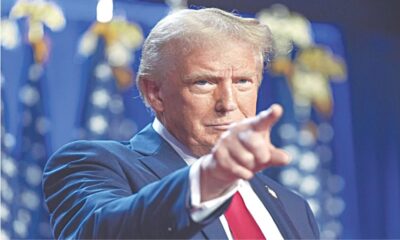
International and regional developments added further complexity to an already strained year. Statements by the current United States President, Donald Trump, asserting that Christians were being targeted in Nigeria and describing the situation as a Christian genocide, drew strong domestic and international reactions, reopening debates about sovereignty, narrative framing, and the external politicisation of Nigeria’s internal security challenges. Almost simultaneously, a reported missile strike in Sokoto, justified as an operation against the so-called Lakurawa terror group, raised serious questions about intelligence credibility, civilian safety, and the expanding theatre of counterterrorism. Within the subregion, Nigeria’s foreign and security policy faced its own test when Nigerian soldiers en route to Portugal were detained in Burkina Faso, a development that followed closely on the heels of an attempted coup plot in Benin Republic and Nigeria’s military support for the Cotonou government. Together, these events underscored the fragility of regional trust and the growing cost of instability beyond Nigeria’s borders.
The health sector revealed fragility in stark terms. Nationwide strikes by resident doctors, followed by allied health workers, paralysed tertiary hospitals. Emergency rooms were stretched. Laboratories and pharmacies operated at skeletal capacity. Citizens faced delays, avoidable loss, and mounting uncertainty. Professional sacrifice, not institutional strength, sustained the system. No nation aspiring to seriousness can indefinitely rely on individual endurance while postponing structural repair.
Midyear brought a moment of national reflection with the death of former President Muhammadu Buhari. Flags flew at half-mast. Tributes poured from private citizens, politicians, and international observers alike. Yet beneath ceremonial mourning lay questions unresolved: the legacy of decisions, the costs of policy, and the gaps left in leadership. History rarely closes neatly. It lingers, asking questions long after the ceremonies end.
Politically, the year matured with quiet intensity. Alliances shifted, ambitions hardened. Northern cities, Kano in particular, became symbolic mirrors of broader anxieties. Silence, rather than violence, became the language of anticipation. Even without formal declaration, Nigerians understood that political calculation was underway, shaping the landscape for future contests.
Amid pressure, civic life persisted. Humour flourished in the streets, on social media, and in private gatherings. Satire became a language of participation, reminding those in authority that power is both observed and interpreted. In a constrained civic space, laughter and critique became inseparable.
By the year’s close, one conclusion is unavoidable. 2025 was not a season of miracles. It was a season of exposure. Governance demonstrated competence and direction in some areas, while revealing gaps in empathy and communication in others. Citizens displayed resilience, but also impatience and a refusal to be sustained by rhetoric alone. Reform is underway. Its success depends on trust, empathy, and the capacity of leaders to carry the public along honestly.
Nigeria did not fall. But we keep hope alive that the giant will rise. It confronted itself, and comfort proved in short supply. This confrontation, uncomfortable as it was, may yet lay the foundation for a more serious engagement with the demands of nationhood. Nations rarely change because they are persuaded; they change because they are compelled to see themselves clearly.
In this, 2025 may yet prove instructive.
Usman Abdullahi Koli,
mernoukoli@gmail.com.