National Issues
Charting The Future From The Past -By Pius Mordi
The sudden and unorthodox manner the national anthem was jettisoned has got some stakeholders thinking that maybe Tinubu is seeking to chart a new course for the country by returning to the past. If that is the case, there are lots of fundamental issues to revisit and adopt from the First Republic.

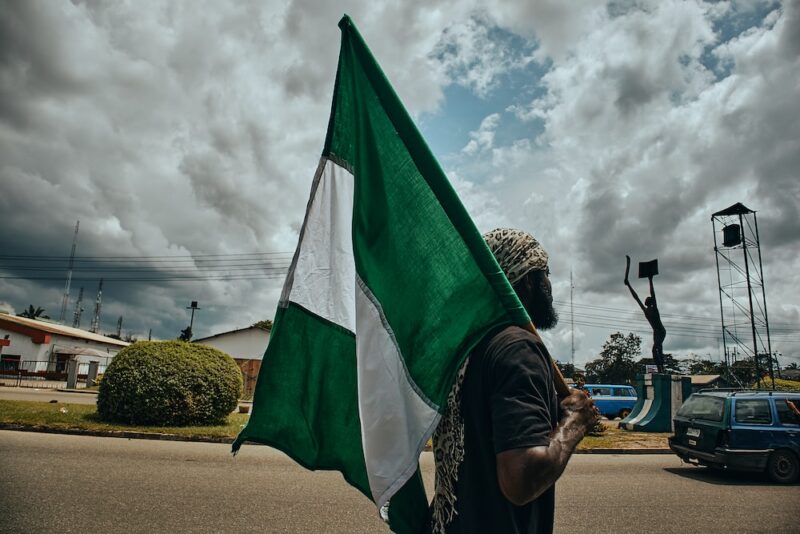
Nobody has really explained to Nigerians why ‘Arise oh compatriots’ was jettisoned as the national anthem in favour of ‘Nigeria we hail thee’. Not President Tinubu himself or the National Assembly which railroaded the passage of the Bill effecting the change in what by the standard of the federal lawmakers can be classified as the speed of light.
To be honest, I have never really been enamoured by the words of the now dropped anthem. I always felt it did project the virtues of nation building on justice, freedom and equity. But it was the last of the issues that matter to the people at this material time. With unmitigated hunger, real hunger that is quietly impacting on the health of children and the less privileged, the return of the old script serves no purpose in addressing the challenges facing Nigerians.
Perhaps it is a harbinger of a probable revisit of the structure of the First Republic which is the product of a negotiated structure. It is a real federal arrangement that spurred the development of the various regions in a competitive but healthy manner.
Since the coming of Muhammadu Buhari, there has been a growing agitation for a return to the structure of the past. There is seeming unanimity that the coming of the military in 1966 was the most devastating and retrogressive measure to the growth of the country, only second to the civil war. The dissolution of the federal system as the country’s founding fathers had negotiated it set the stage for the continous balkanisation of Nigeria in the name of state creation into unviable sub-national entities. Theoretically, the states adopted the former regions’ status as the federating units.
But in reality, they are units of a lumbering, ineffectual and overbearing unitary state. The worst of the incongruous arrangement was the introduction of local government councils as the third tier of government. Their creation was initially touted as designed to bring governance closer to the people. Perhaps. But the military politicised the creation. It became an instrument for executing a regional agenda of domination, unfair distribution of resources and a platform for federal overreach.
The unnegotiated 1999 constitution that ushered the Fourth Republic put a legal seal to the daring act of dismantling the basis for a federal system. After creating additional states under which the old Kano State was split into two, the military gave the new Kano 44 local government areas while the new Jigawa State had 27. Meanwhile, Lagos which had 20 at the time of old Kano and despite losing its status as the federal capital remained the melting pot of demographic expansion was left with the 20 councils. This is just an illustration of the injustice, inequity and inequality that characterised the exercise under military rule. In a show of impunity and to make it almost impossible to redress the wrong, all the local government areas were named in the constitution. In effect, it would require the tortuous process of amending the constitution for new councils to be created.
The sudden and unorthodox manner the national anthem was jettisoned has got some stakeholders thinking that maybe Tinubu is seeking to chart a new course for the country by returning to the past. If that is the case, there are lots of fundamental issues to revisit and adopt from the First Republic. The 66 powers reserved for Abuja on the Legislative List have given the federal government too much functions and powers than it can handle. From security, economy to agriculture and transportation, the federal government has become an embarrassing story of a rudderless and directionless adventurer.
The adoption of ‘Nigeria we hail thee’ can only be meaningful if the components of the system that made it alluring enough for many Nigerians to welcome its return are also adopted. The running of government reminds one of the childhood rhyme Humpty Dumpty. With over 500 Ministries, Departments and Agencies despite the Oronsanya report that strenuously sought a radical rationalisation of the Agencies, Humpty dumpty has already had a great fall. Only a return the First Republic arrangement is the King’s horses and men that can make Humpty Dumpty walk again.
Postscript
Minimum wage: This is just the beginning
Predictably, the industrial action by organised labour over the bid for an enhanced minimum wage did not last. There is no way it could have what with the prevailing hardship in the country. Apart from individual private entrepreneurs, most public officers also rely on small business ventures to get by. It is the daily little returns that enable families to avoid hunger. That was what the collapse of the naira and abysmal purchasing power of the local currency has driven the people into.
Whatever the tripartite negotiations eventually settle, it is only the beginning of a protracted process in the search for an income that will take workers home at the end of every month. It should be clear to Tinubu and his economic team that their perception that governance is a game of tax collection is anachronistic. No matter what they eventually settle for, the average worker is no longer in a position to pay any additional tax. Already too much than they can bear are already being paid through the scrapping of fuel subsidy and the nearly 300 percent increase in electricity tariff.
The path to refloating the economy does not lie in inventing more taxes on the over burdened worker.