
Breaking News
Dollar to Naira Rate Today: Naira Holds Steady at ₦1,346/$ in Official Market
The naira remains relatively stable against the dollar on August 25, 2026, with the official closing rate at ₦1,346.90/$ and parallel rate at ₦1,400.

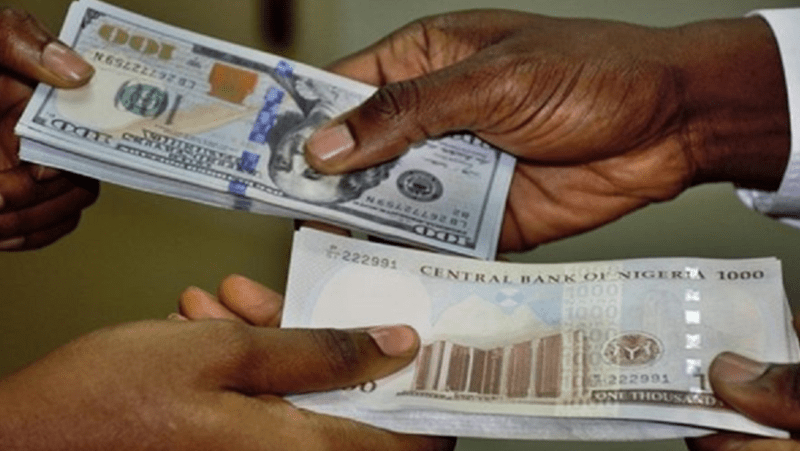
The naira maintained relative stability against the United States dollar on Tuesday, August 25, 2026, with the currency trading close to recent official-market levels amid continued monitoring of the foreign exchange market.
The latest available Nigerian Foreign Exchange Market (NFEM) figures showed the naira at about ₦1,346.49 per dollar, while the most recent confirmed official closing rate stood at ₦1,346.90/$.
According to the Central Bank of Nigeria (CBN), the NFEM exchange rate is determined from the volume-weighted average of transactions in the official market.
A live USD/NGN market benchmark on Tuesday morning placed the dollar at around ₦1,347.26, indicating limited movement from the latest official rates.
In the parallel market, the dollar was selling for about ₦1,400/$ on Tuesday, according to the latest Aboki Forex data. This represents a difference of roughly ₦53.10 compared with the latest official closing rate.
Based on the ₦1,400/$ parallel-market rate, $100 would be exchanged for approximately ₦140,000, while $1,000 would translate to about ₦1.4 million.
The figures suggest that the exchange-rate gap between Nigeria’s official and parallel markets remains relatively contained compared with previous periods of significant foreign exchange instability.
The naira had also strengthened in recent official-market sessions. On August 21, the NFEM rate was recorded at ₦1,346.49/$, with the dollar closing at ₦1,346.90. The naira traded between ₦1,342 and ₦1,348 during the session.
Market analysts have linked the naira’s recent performance to improved foreign exchange liquidity and rising external reserves. Recent market reports citing CBN data put Nigeria’s external reserves at about $52.66 billion as of August 19.
For individuals and businesses purchasing or selling dollars, however, the rate received may vary based on the financial institution or Bureau de Change operator, location, transaction volume and prevailing market conditions.
Parallel-market rates may also fluctuate during the day as changes in dollar demand and supply affect the street market.
Africans Angle News

























You must be logged in to post a comment Login