National Issues
Credible Intelligence Gathering: An End To Banditry in Nigeria -By Adewole Kehinde
The path forward is clear: protect whistleblowers, prosecute offenders decisively, verify and act on credible intelligence, and adopt a proactive security posture. Only then can Nigeria hope to bring an enduring end to banditry and restore peace across its troubled regions.


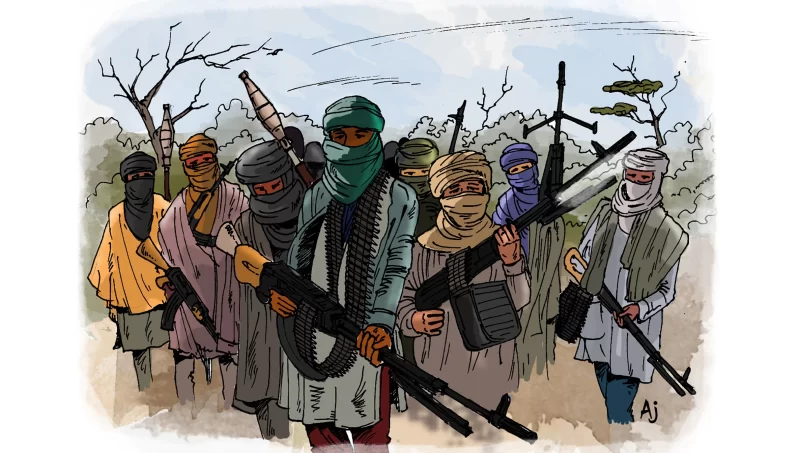
Nigeria’s long-standing battle with banditry and violent crimes has exposed a troubling pattern, our security responses are often reactive rather than preventive.
Each tragic incident is followed by familiar rhetoric: “massive deployment,” “reinforcement,” and “manhunt.” Yet, these responses come after lives have been lost and communities devastated.
It is time to shift from reaction to prevention, and the most potent tool for that transformation is credible intelligence gathering.
Security is not merely about firepower or the number of troops deployed; it is about information, timely, accurate, and actionable intelligence. Without it, even the most well-equipped forces operate blindly.
The Nigeria Police Force and the Nigerian Army must move beyond waiting for disasters to occur before swinging into action. Instead of “massive deployment” after attacks, what Nigeria urgently needs is massive intelligence gathering before attacks happen.
A proactive security architecture demands collaboration between citizens and security agencies. However, this can only succeed if whistleblowers are adequately protected.
Individuals who risk their lives to provide information about criminal elements must be assured of their safety and anonymity. Without such guarantees, fear will continue to silence those who could help prevent crimes. Protecting whistleblowers is not optional, it is essential to dismantling criminal networks.
Equally important is the prosecution of arrested bandits without fear or favour. The recurring cycle where suspects are apprehended only to disappear into a slow or compromised judicial process undermines public confidence.
Justice must not only be done but must be seen to be done. Swift and transparent prosecution will serve as a deterrent and reinforce the credibility of the state.
The statement by Sheikh Ahmad Gumi that “government and armed forces know the terror gang leaders and their locations” raises serious questions that cannot be ignored.
If this claim holds any truth, then the Federal Government must engage with him and other relevant stakeholders to clarify the situation.
Nigerians deserve to know whether security agencies truly possess such intelligence and, if so, why decisive action has not followed. Transparency in this regard will either validate public confidence or expose gaps that must be urgently addressed.
The recent incident in Jos is a painful reminder of systemic failure. It is deeply troubling that an attack reportedly lasted nearly two hours, with a police station located just about 20 meters away, yet there was no immediate intervention, not even a warning shot. This is not just a lapse; it is a failure of both intelligence and response. Such occurrences erode public trust and embolden criminal elements.
Nigeria must redefine its security philosophy. The police and military must become proactive institutions driven by intelligence, not reactive forces responding to crises. Prevention should be the cornerstone of national security strategy.
This involves investing in modern surveillance technologies, strengthening community policing, enhancing inter-agency collaboration, and building trust with local populations who are often the first to detect suspicious activities.
Nigeria should not be known as a nation that only acts after tragedy strikes. We must become a country that prevents tragedies.
Intelligence gathering, strategic planning, and timely intervention must replace delayed reactions. The cost of inaction is measured in human lives, and that is far too high a price to keep paying.
The path forward is clear: protect whistleblowers, prosecute offenders decisively, verify and act on credible intelligence, and adopt a proactive security posture. Only then can Nigeria hope to bring an enduring end to banditry and restore peace across its troubled regions.
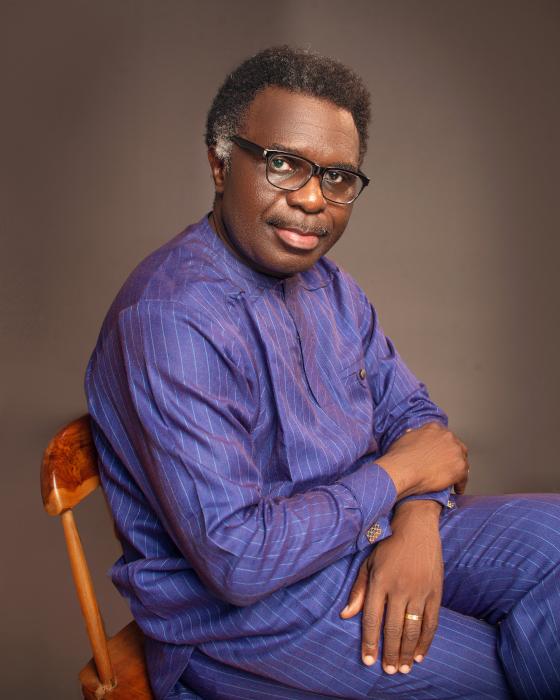
Adewole Kehinde is a public affairs analyst based in Abuja. 08166240846. kennyadewole@gmail.com @kennyadewole