
Forgotten Dairies
When Will the Killings In Nigeria End? -By John Kokome
The human cost of these killings extends beyond those who lose their lives. Families are shattered, livelihoods destroyed, and entire communities displaced. Children grow up in environments shaped by trauma and uncertainty, their futures compromised by circumstances beyond their control. Over time, this breeds a generation for whom violence is not an aberration, but a lived reality.

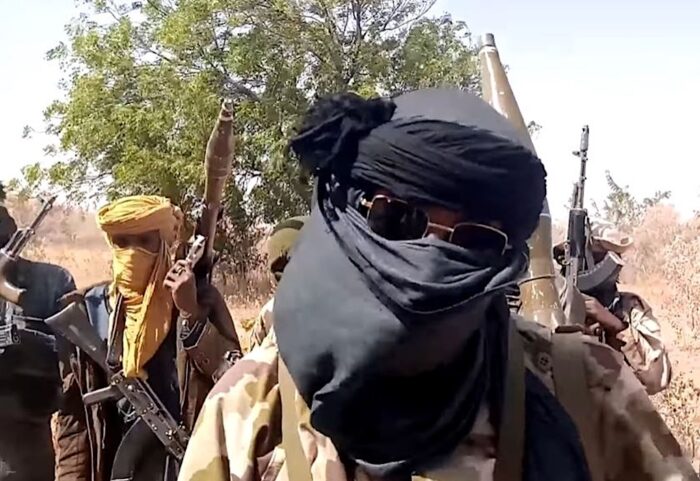
In a country not officially at war, Nigerians are dying as though one exists. From the troubled villages of the North-West to the agrarian communities of the Middle Belt, and from pockets of insurgency in the North-East to rising urban criminality in the South, the question has become both urgent and haunting: when will the killings in Nigeria end?
It is a question that reflects not just grief, but fatigue. Nigerians are weary of headlines that read like obituaries of entire communities. Each new incident whether blamed on bandits, terrorists, unknown gunmen, or communal clashes adds to a growing sense that life has become dangerously cheap. The frequency of these attacks has dulled outrage and replaced it with a quiet, unsettling resignation.
The tragedy is not just in the loss of lives, but in the normalization of violence. Once, a single mass killing would dominate national discourse for weeks, prompting widespread condemnation and decisive rhetoric from leaders. Today, such incidents are too often reduced to fleeting news cycles, quickly overshadowed by the next catastrophe. In this climate, mourning has become routine, and accountability, elusive.
Successive governments have pledged to end the bloodshed. Security strategies have been unveiled, military operations intensified, and reassurances repeatedly offered. Yet, the killings persist. This raises difficult but necessary questions: Are the current approaches sufficient? Is the problem being properly diagnosed? Or has the response become trapped in a cycle of reaction rather than prevention?
Part of the challenge lies in the complexity of Nigeria’s security landscape. What we face is not a single conflict, but a web of overlapping crises, insurgency, banditry, farmer-herder clashes, separatist agitations, and organized crime. Each has its own drivers, yet they are often treated with a one-size-fits-all response. Military force, while necessary, cannot be the only tool. Without addressing underlying issues such as poverty, unemployment, weak governance, and ethnic tensions, the cycle of violence is likely to continue.
Equally troubling is the apparent intelligence failure that precedes many of these attacks. Communities often report warning signs, strange movements, threats, rising tensions and yet these signals go unheeded until tragedy strikes. This gap between information and action speaks to deeper institutional weaknesses that must be urgently addressed.
Then there is the issue of justice. In too many cases, perpetrators of mass killings are neither apprehended nor prosecuted. This culture of impunity not only emboldens attackers but also erodes public trust in the state’s ability to protect its citizens. When justice is absent, fear takes its place, and communities begin to look inward for survival, sometimes fueling cycles of retaliation.
The human cost of these killings extends beyond those who lose their lives. Families are shattered, livelihoods destroyed, and entire communities displaced. Children grow up in environments shaped by trauma and uncertainty, their futures compromised by circumstances beyond their control. Over time, this breeds a generation for whom violence is not an aberration, but a lived reality.
Yet, amid the despair, there remains a collective yearning for peace. Nigerians are not asking for miracles; they are asking for safety, the basic assurance that they can go about their daily lives without fear of being killed. This is not an unreasonable demand; it is the fundamental responsibility of any government.
So, when will the killings end? The honest answer is that they will not end by chance or by rhetoric. They will end only when there is a deliberate, sustained, and holistic effort to confront the problem at its roots. This means strengthening intelligence systems, reforming and properly equipping security agencies, ensuring swift justice, and investing in social and economic development that addresses the conditions that fuel violence.
It also requires political will, the kind that prioritises human life above all else, transcends partisan considerations, and holds leaders accountable for results. Without this, even the best strategies will falter.
Ultimately, the end of these killings will not be marked by a single event, but by a gradual restoration of trust, trust in institutions, in leadership, and in the idea that Nigeria can indeed be a place where life is valued and protected.
Until then, the question will continue to echo, heavy with grief and expectation: when will the killings in Nigeria end?
John Kokome
A Communications Strategist and Public Affairs Analyst writes from Lagos
kokomejohn@yahoo.com




















You must be logged in to post a comment Login