Africa
Economic Instability in Nigeria: Causes, Effects, and the Way Forward -By Joy Bitrus Daniel
Economic instability in Nigeria is a serious challenge, but it can be addressed with the right strategies. Through economic diversification, effective governance, improved security, and sound policies or marketing control policies, Nigeria can achieve sustainable growth and stability. A stable economy is vital for national development and for improving the living standards of Nigerians.

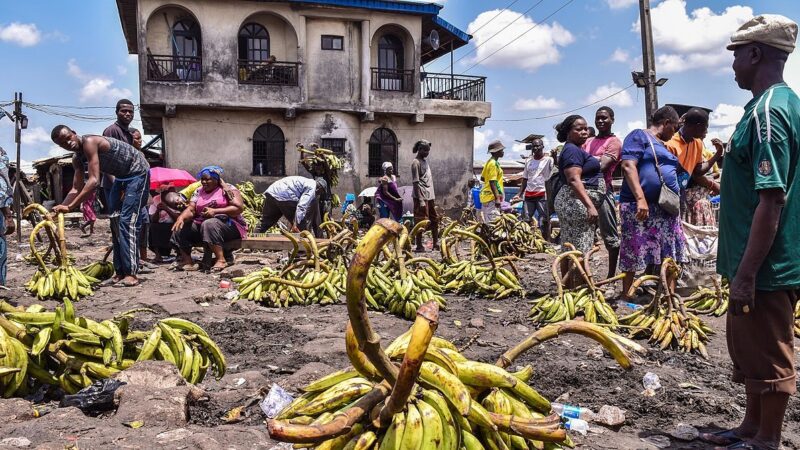
Economic instability remains one of the most serious challenges confronting Nigeria today. Rising inflation, unemployment, fluctuating exchange rates, and the high cost of living have continued to place heavy pressure on citizens and businesses. For many Nigerians, economic uncertainty has become a daily reality, affecting their ability to meet basic needs. This article examines the major causes of economic instability in Nigeria, its effects on the nation, and possible solutions.
Causes of Economic Instability in Nigeria.
One of the major causes of economic instability in Nigeria is the country’s heavy dependence on crude oil. Oil remains the primary source of government revenue and foreign exchange. Whenever there is a drop in global oil prices, Nigeria’s economy suffers greatly, leading to budget shortfalls and reduced public spending.
Poor economic planning and policy inconsistency also contribute significantly to instability. Frequent changes in policies, especially those related to exchange rates and imports, create uncertainty for investors and businesses. Inflation has been worsened by excessive importation, weak local production, and high fuel prices. In addition, corruption and mismanagement of public funds have reduced resources meant for development.
Insecurity is another critical factor. The activities of bandits, kidnappers, and insurgents have disrupted farming, trade, and investment in many parts of the country. When farmers cannot access their farmlands and traders cannot transport goods safely, economic activities slow down.
Effects of Economic Instability
The effects of economic instability are deeply felt by ordinary Nigerians. Inflation has caused food and essential commodities to become more expensive, pushing many families into poverty. Unemployment and underemployment, especially among youths, have increased, leading to frustration and social problems.
The tax laws which which became effective in 2026, by the president Bola Ahmad Tinubu Administration, as captured in the Saturday punch newspaper 10th January 2025. Many small and medium scale business have started increasing the prices of goods and services. With the narrative on the new tax laws. So this can also lead to inflation in the economic marketing system in the country thereby causing economic instability.
In Nigeria Today Small and medium-scale businesses are also affected by unstable exchange rates and high production costs. Many businesses struggle to survive, while others shut down completely. On a national level, economic instability slows development, weakens social services, and increases inequality between the rich and the poor.
Also hike in farm inputs also cause economy instability, due to the fact that farmers buy fertiliser and other farm herbicide with higher prices, but after harvest the prices of farm produce dropped to some extent that a two bags of maize cannot buy a bag of fertiliser. So this issue poised serious economic instability in the country.
The Way Forward
To achieve economic stability, Nigeria must diversify its economy beyond oil. Investing in agriculture, manufacturing, and technology will help create jobs and increase revenue. Government policies should be consistent, transparent, and focused on long-term growth.
Improving security across the country is also essential. Farmers, traders, and investors must be able to operate in a safe environment. Fighting corruption, encouraging local production, and supporting small businesses will further strengthen the economy and reduce dependence on imports.
And also the Government should have market control of prices of commodities as it will help to reduce economic instability especially the cost of farming input like fertiliser and other herbicide.
Conclusion
Economic instability in Nigeria is a serious challenge, but it can be addressed with the right strategies. Through economic diversification, effective governance, improved security, and sound policies or marketing control policies, Nigeria can achieve sustainable growth and stability. A stable economy is vital for national development and for improving the living standards of Nigerians.