
Africa
Medical Negligence and the Cost of Practicing Medicine in Nigeria -By Patrick Iwelunmor
True justice for victims cannot be achieved through headlines alone. It demands that Nigeria confront the real cost of practicing medicine within its borders. A country that expects excellence from its healers must first prepare the conditions in which excellence can thrive. Until then, negligence will remain not just a moral failure of individuals but a collective failure of a nation that has looked away for too long.

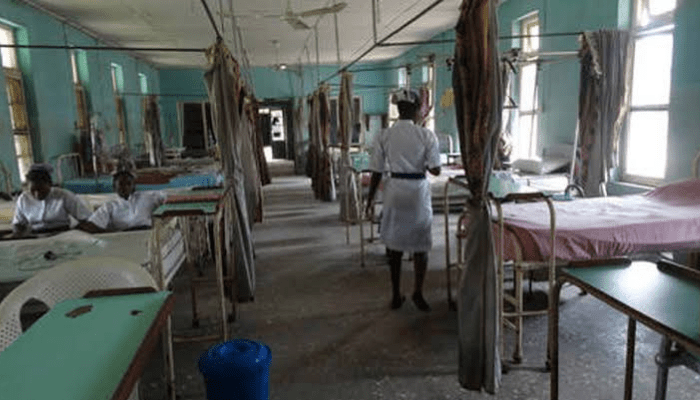
Recent tragic outcomes in Nigerian hospitals have once again exposed the fragile moral architecture of the country’s healthcare system. These are not isolated incidents in otherwise functioning institutions. They are grim signals from a system stretched to the point where error has become almost predictable, and where what is often labeled “medical negligence” increasingly looks like a symptom of deeper economic and structural decay.
Nigeria often responds to such tragedies with a ritual performance of outrage. Social media erupts. Panels are convened. Threats of sanctions are issued. And then, slowly, the country moves on. What is rarely confronted is the uncomfortable truth that many medical professionals operate under conditions that quietly sabotage professional excellence. This is not a plea for absolution. It is an insistence on honesty.
From public teaching hospitals to high-end private facilities, doctors are almost always overworked and mentally burdened. Long shifts bleed into one another. Emergency calls interrupt rest. Administrative failures compound clinical pressure. Medicine is a profession that demands clarity of mind and sustained attention, yet Nigeria routinely places its healthcare professionals in circumstances that erode both.
How do preventable errors occur in such a context? Fatigue dulls attention. Economic anxiety distracts. Overload normalizes shortcuts. These realities do not excuse negligence, but they help explain how it becomes possible. Medicine is precise work, yet the environment in which Nigerian doctors operate is often anything but precise.
Nigeria’s doctor-to-patient ratio remains one of the most damning statistics in its healthcare story. The World Health Organization recommends at least one doctor to six hundred patients. Nigeria struggles with ratios that range from one doctor to several thousand patients, particularly outside major urban centers. This translates to clinics overwhelmed by numbers, wards stretched beyond capacity, and doctors forced into impossible choices between speed and thoroughness. When error occurs in such conditions, it is not merely personal failure. It is institutional exhaustion made visible.
This context matters when considering the persistent industrial actions by the Nigerian Medical Association and the National Association of Resident Doctors. These strikes are often condemned as heartless disruptions to care. What is rarely acknowledged is that they are desperate signals from a profession operating at the edge of collapse. Unpaid salaries, inadequate equipment, overcrowded wards, and unsafe working conditions are not abstract grievances. They are direct threats to patient safety. A system that ignores these warnings should not be surprised when tragedy follows.
Economic pressure is the silent companion of medical practice in Nigeria. Doctors live in the same economy as their patients, battered by inflation and rising costs. Data from the National Bureau of Statistics consistently shows how inflation has eroded real income, with food inflation alone consuming an ever-larger share of household earnings. Doctors pay rent, school fees, transport costs, and medical bills for their own families. The image of the comfortable Nigerian doctor is largely a myth sustained by ignorance and resentment.
These pressures help explain the steady exodus of Nigerian doctors to other countries. Regulatory bodies in the United Kingdom, Canada, and the Middle East have documented increasing numbers of Nigerian-trained doctors seeking licensure abroad. Each departure deepens the strain on those left behind. Workloads increase. Fatigue intensifies. Supervision thins. In such a climate, the risk of error grows. Medical negligence, in this sense, becomes a collective failure, not just an individual one.
The burden does not stop with doctors. Nigeria’s healthcare financing model ensures that patients shoulder most of the cost of care. The World Bank estimates that more than seventy percent of healthcare spending in Nigeria is out of pocket. Common illnesses or routine procedures can plunge families into financial distress. Doctors witness these realities daily. Patients delay treatment, refuse recommended interventions, or negotiate fees in emergencies. Clinical judgment becomes entangled with moral dilemmas that should not exist in a system committed to care.
None of this removes the obligation of medical professionals to uphold standards. Negligence must be investigated and sanctioned. Protocols must be followed. Lives must be protected. But accountability without structural reform is a hollow exercise. It satisfies public anger without preventing future loss. A society that demands perfection from doctors while offering them dysfunction is complicit in the outcomes it condemns.
Government interventions in recent years suggest some awareness of the crisis. Health insurance reforms and selective investments in tertiary hospitals are welcome, but they remain insufficient. Nigeria is a country of vast resources and even greater potential. It should not accept a healthcare system that grinds its professionals down and then feigns shock when mistakes occur.
Nigeria currently allocates less than five percent of its national budget to health, far below the fifteen percent Abuja Declaration commitment many African states adopted in 2001. This chronic underfunding is not just a line item in a budget spreadsheet. It is a moral indictment. Every percentage point withheld from healthcare translates into thinner wards, fewer doctors per patient, and countless moments where exhaustion replaces vigilance. When over seventy percent of Nigerians pay out of pocket for care, and doctors regularly manage patient loads that exceed five times the WHO-recommended doctor-to-population ratio, we do not have a system suffering occasional lapses. We have a system in crisis.
The ethical question is not merely whether doctors make mistakes. It is why we allow a nation rich in human and material resources to perpetuate conditions that make such mistakes increasingly predictable. We must ask ourselves whether a society that tolerates the steady erosion of professional capacity is deserving of the lives it fails to protect.
True justice for victims cannot be achieved through headlines alone. It demands that Nigeria confront the real cost of practicing medicine within its borders. A country that expects excellence from its healers must first prepare the conditions in which excellence can thrive. Until then, negligence will remain not just a moral failure of individuals but a collective failure of a nation that has looked away for too long.























You must be logged in to post a comment Login