Africa
Oil Revenue Shortfall: How Nigeria’s Economy Is Paying The Price -By Patience Paul
Yet the crisis also presents an opportunity. By accelerating economic diversification, strengthening governance in the oil sector, and building resilience through broader revenue sources, Nigeria can begin to chart a more sustainable path forward.

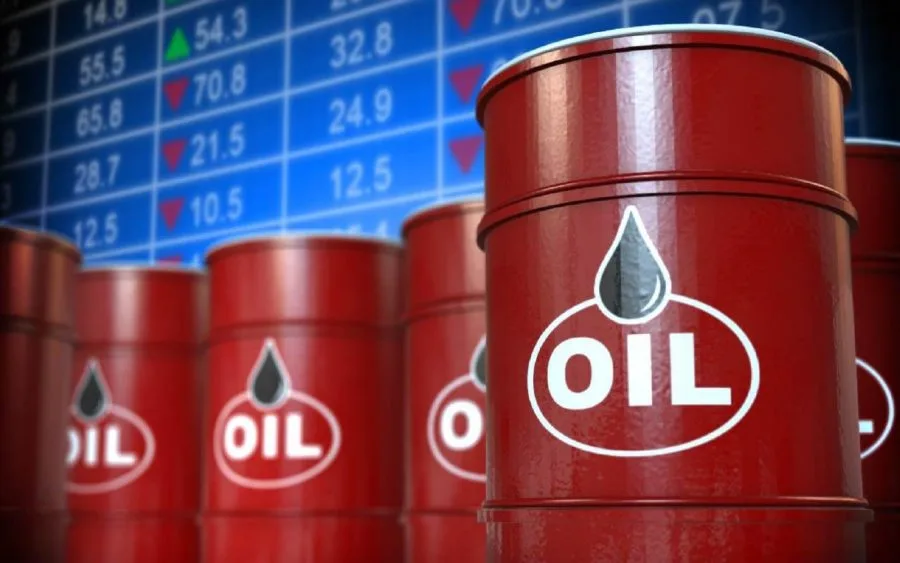
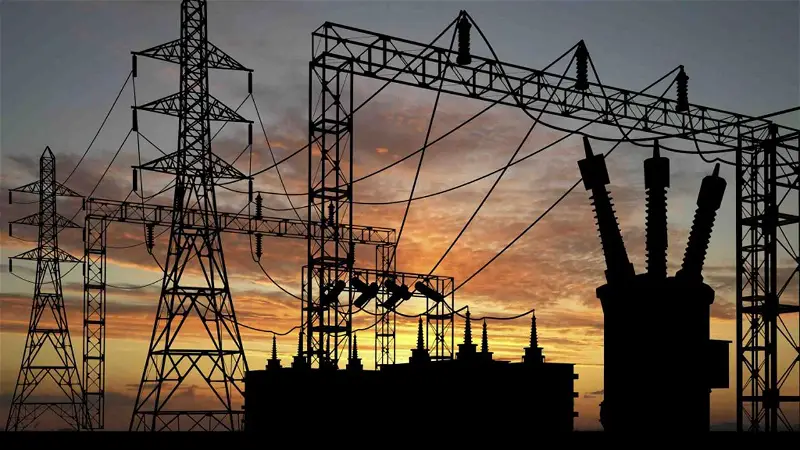
Nigeria, once flush with petrodollars, is now struggling with a steep decline in earnings from crude oil — a backbone of the nation’s economy. From government offices in Abuja to marketplaces in Lagos and farms in the North, the effects of dwindling oil revenue are being felt by ordinary citizens and policy makers alike.
For decades, crude oil has driven Nigeria’s fiscal architecture, funding government operations, capital projects, foreign exchange earnings, and public services. However, recent figures reveal persistent shortfalls in projected oil revenue, exposing the vulnerabilities of an economy overly reliant on a single commodity.
A REVENUE GAP WITH WIDE CONSEQUENCES
According to Nigeria’s Budget Office, the nation significantly missed its oil revenue targets in the first half of 2025, with gross oil earnings falling far below projections. In the first and second quarters of 2025, oil revenue recorded sharp deficits against expected benchmarks, highlighting strained fiscal performance.
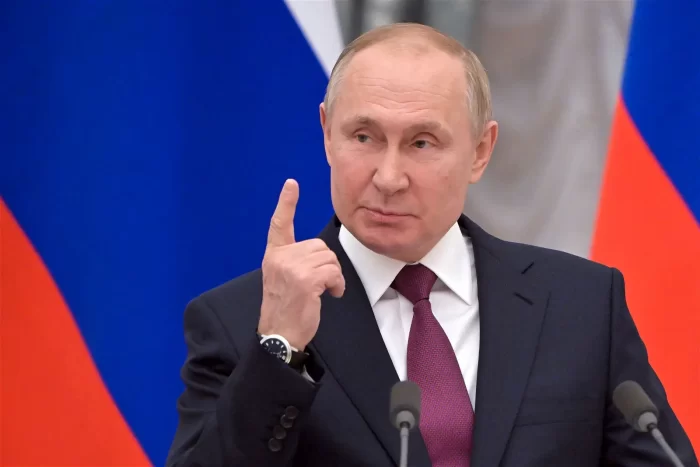
At a press briefing in Abuja, Minister of Finance and Coordinating Minister of the Economy, Mr. Wale Edun, acknowledged the reality of the shortfall.
“Average production and oil prices were below budgeted expectations, and while we have maintained compliance with OPEC quotas, the gap between projection and reality is of note,” he said.
Edun explained that average crude production hovered around 1.67 million barrels per day — well below the 2.06 million target used in the 2025 budget — while average sales prices were below benchmark.
For ordinary Nigerians, the implications are deeply personal: weaker public services, delayed infrastructure projects, and pressured household budgets.
ECONOMIC STRAIN AND RISING BORROWING
The shortfall has forced the federal government to rely more heavily on borrowing to bridge budgetary gaps. Experts warn that increased debt service costs leave limited fiscal room for capital investment and social programs.
Economic commentator Danjuma Jibrin, speaking on the fiscal strain, emphasized the gravity of the situation:
“This shortfall undermines the 2025 federal budget assumptions… and threatens public spending and macroeconomic stability.”
Jibrin also noted that oil still accounts for over 90% of Nigeria’s export earnings and roughly 60% of federal revenue, underscoring the nation’s vulnerability to shifts in global prices.
THE CAUSES BEHIND THE CRISIS
Several factors explain the oil revenue gap, both global and domestic. International crude prices have fluctuated, often falling below Nigeria’s budget expectations, while domestic production levels have remained below planned targets.
Oil theft, pipeline vandalism, and inadequate investment in the sector have further constrained output, according to industry sources and analysts. Production shortfalls have persisted despite efforts by regulatory agencies to increase output and attract capital.
Analysts say the government’s reliance on optimistic production and price assumptions has repeatedly led to revenue overestimation — a dynamic that undermines budget credibility and forces recurrent borrowing.
CALLS FOR BROADER ECONOMIC REFORM
The shortfall has amplified long-standing calls for economic diversification. With half of government revenue tied to oil, policy makers and experts argue that strengthening non-oil sectors is no longer optional — it is imperative.
Energy economist Ademola Adigun highlights that while higher global oil prices can temporarily ease fiscal pressures, the underlying vulnerability remains if Nigeria fails to diversify.
“An improvement in crude oil prices would… positively impact government revenue… but Nigeria must build resilience beyond oil,” he said.
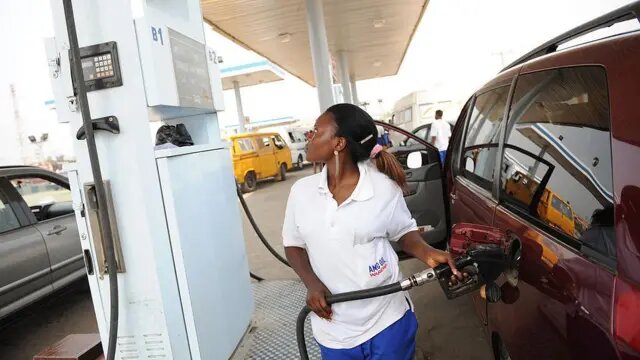
Adigun also warned that oil price spikes, while helpful for revenue, carry their own risks — including higher fuel costs for consumers and inflationary pressures.
GOVERNMENT RESPONSE
In response, government officials have defended efforts to manage the shortfall through fiscal discipline and targeted spending.
Mr. Edun emphasized that despite the revenue gap, gross revenue performance improved compared to prior years, and allocations to states and the Federal Capital Territory have helped maintain fiscal balance for essential services.
Policy makers also argue that stronger fiscal planning and diversified revenue streams — including improved tax administration and support for non-oil industries — are key to long-term stability.
CONCLUSION: A WAKE-UP CALL FOR THE NATION
The oil revenue shortfall has exposed deep structural vulnerabilities in Nigeria’s fiscal framework. Falling short of revenue targets has constrained government spending, increased borrowing, and heightened economic uncertainty.
Yet the crisis also presents an opportunity. By accelerating economic diversification, strengthening governance in the oil sector, and building resilience through broader revenue sources, Nigeria can begin to chart a more sustainable path forward.
What happens next will shape the nation’s economic course — not just for the price of oil, but for the everyday lives of millions of Nigerians.