Forgotten Dairies
Fake News, Hate Speech Pose Threat to Communication Development -By Mukhtar Sagir Dambatta
They also believe that strengthening fact-checking mechanisms, improving media literacy, embracing ethical journalism, and encouraging responsible use of digital platforms will help curb the spread of false information.

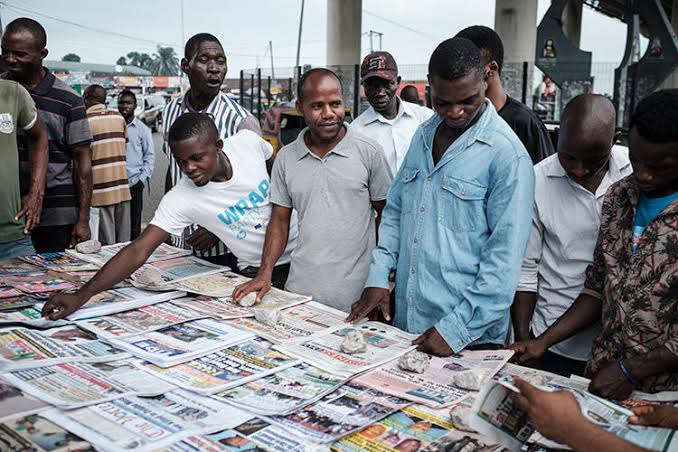
In an era where a message can travel across the country within seconds, the spread of fake news and hate speech has become one of the most pressing challenges confronting Nigeria’s media landscape and social stability.
From politics and elections to security and public health, misinformation has repeatedly fuelled tension, deepened divisions, and undermined confidence in credible sources of information.
Experts believe that the increasing influence of social media, combined with the race for online attention, has made the fight against false information more difficult than ever.
A former Editor-in-Chief of the News Agency of Nigeria (NAN), Mr Ephraims Sheyin, says the greatest damage caused by fake news is the erosion of public trust.
According to him, many Nigerians have become sceptical about the information they consume because false stories and rumours circulate freely across digital platforms.
Sheyin observes that while bloggers and social media handlers are often blamed for spreading misinformation, conventional media organisations have also occasionally fallen into the trap of publishing unverified reports.
He stresses that journalism must remain anchored on verification, patience, and the pursuit of truth.
He warns that the consequences of publishing unverified stories can be devastating, noting that misinformation has the potential to trigger violence, create conflict, and even lead to loss of lives before the truth eventually emerges.
He, therefore, advocates the establishment of dedicated fact-checking desks, stronger editorial supervision, and the appointment of ombudsmen to strengthen accountability in media organisations.
Sharing similar views, a BBC Hausa journalist, Mr Usman Minjibir, says fake news has significantly affected the credibility of mainstream media in Nigeria.
He explains that professional journalists now rely on multiple verification processes, including the examination of original documents, consultation with experts, cross-checking of sources, and the use of digital investigative tools before publishing sensitive reports.
According to him, the publication of inaccurate information can seriously damage the reputation of any media organisation.
He adds that continuous training in digital verification techniques and greater transparency in news gathering and reporting are essential for restoring public confidence.
Minjibir also advises members of the public to verify the authenticity of information before sharing it, urging them to refrain from forwarding any message whose source or content cannot be confirmed.
Technology experts also attribute the rapid spread of fake news to the changing dynamics of online communication.
An IT expert, Mr Imran Zubair, says many social media users are motivated by the desire to gain more followers and engagement, leading them to repost sensational information without confirming its accuracy.
He believes that social media platforms possess tools that can assist in identifying and reducing misinformation when properly utilised.
According to him, Nigerians should acquire stronger digital literacy skills, particularly in the area of artificial intelligence, as emerging AI technologies are likely to shape the future of information sharing.
Youth leaders say young people occupy a strategic position in the fight against misinformation because they are among the most active users of digital platforms.
A former President of the Students’ Union Government of Bayero University, Kano, Comrade Naseer Ibrahim Isah, says the heavy presence of youths on social media exposes them to false information that spreads rapidly without adequate verification.
He urges students to develop the habit of checking facts before sharing content and to encourage responsible online behaviour among their peers.
He also calls on educational institutions to integrate media and digital literacy into their learning programmes to help students identify false information and think critically about online content.
The youth leader further encourages social media influencers to use their platforms responsibly by promoting accurate information and discouraging hate speech.
He advises Nigerian youths to become responsible digital citizens who use social media to foster peace, unity, and national development.
From the legal perspective, a lawyer and activist, Barrister Muhuyi Magaji Rimingado, says Nigeria does not presently have a standalone law specifically dedicated to fake news and hate speech.
However, he explains that existing legal frameworks provide mechanisms for dealing with such offences.
According to him, the Cybercrime (Prohibition, Prevention, etc.) Act 2015, as amended in 2024, remains the principal legislation addressing online dissemination of false and harmful information.
He notes that the law criminalises the transmission of false or grossly offensive messages through digital networks when they are intended to cause intimidation, hatred, injury, or needless anxiety, with penalties that may include imprisonment, fines, or both.
Stakeholders agree that the challenge of fake news and hate speech cannot be addressed by legislation alone.
They maintain that journalists, technology experts, educational institutions, policymakers, social media companies, and ordinary citizens all have important roles to play in promoting responsible communication.
They also believe that strengthening fact-checking mechanisms, improving media literacy, embracing ethical journalism, and encouraging responsible use of digital platforms will help curb the spread of false information.
As Nigeria’s digital environment continues to expand, experts say the responsibility to protect the integrity of information has become a collective duty.
They insist that building a culture of verification and truthfulness is essential to safeguarding democracy, promoting peaceful coexistence, and preserving public trust in the information ecosystem.In an era where a message can travel across the country within seconds, the spread of fake news and hate speech has become one of the most pressing challenges confronting Nigeria’s media landscape and social stability.
From politics and elections to security and public health, misinformation has repeatedly fuelled tension, deepened divisions, and undermined confidence in credible sources of information.
Experts believe that the increasing influence of social media, combined with the race for online attention, has made the fight against false information more difficult than ever.
A former Editor-in-Chief of the News Agency of Nigeria (NAN), Mr Ephraims Sheyin, says the greatest damage caused by fake news is the erosion of public trust.
According to him, many Nigerians have become sceptical about the information they consume because false stories and rumours circulate freely across digital platforms.
Sheyin observes that while bloggers and social media handlers are often blamed for spreading misinformation, conventional media organisations have also occasionally fallen into the trap of publishing unverified reports.
He stresses that journalism must remain anchored on verification, patience, and the pursuit of truth.
He warns that the consequences of publishing unverified stories can be devastating, noting that misinformation has the potential to trigger violence, create conflict, and even lead to loss of lives before the truth eventually emerges.
He, therefore, advocates the establishment of dedicated fact-checking desks, stronger editorial supervision, and the appointment of ombudsmen to strengthen accountability in media organisations.
Sharing similar views, a BBC Hausa journalist, Mr Usman Minjibir, says fake news has significantly affected the credibility of mainstream media in Nigeria.
He explains that professional journalists now rely on multiple verification processes, including the examination of original documents, consultation with experts, cross-checking of sources, and the use of digital investigative tools before publishing sensitive reports.
According to him, the publication of inaccurate information can seriously damage the reputation of any media organisation.
He adds that continuous training in digital verification techniques and greater transparency in news gathering and reporting are essential for restoring public confidence.
Minjibir also advises members of the public to verify the authenticity of information before sharing it, urging them to refrain from forwarding any message whose source or content cannot be confirmed.
Technology experts also attribute the rapid spread of fake news to the changing dynamics of online communication.
An IT expert, Mr Imran Zubair, says many social media users are motivated by the desire to gain more followers and engagement, leading them to repost sensational information without confirming its accuracy.
He believes that social media platforms possess tools that can assist in identifying and reducing misinformation when properly utilised.
According to him, Nigerians should acquire stronger digital literacy skills, particularly in the area of artificial intelligence, as emerging AI technologies are likely to shape the future of information sharing.
Youth leaders say young people occupy a strategic position in the fight against misinformation because they are among the most active users of digital platforms.
A former President of the Students’ Union Government of Bayero University, Kano, Comrade Naseer Ibrahim Isah, says the heavy presence of youths on social media exposes them to false information that spreads rapidly without adequate verification.
He urges students to develop the habit of checking facts before sharing content and to encourage responsible online behaviour among their peers.
He also calls on educational institutions to integrate media and digital literacy into their learning programmes to help students identify false information and think critically about online content.
The youth leader further encourages social media influencers to use their platforms responsibly by promoting accurate information and discouraging hate speech.
He advises Nigerian youths to become responsible digital citizens who use social media to foster peace, unity, and national development.
From the legal perspective, a lawyer and activist, Barrister Muhuyi Magaji Rimingado, says Nigeria does not presently have a standalone law specifically dedicated to fake news and hate speech.
However, he explains that existing legal frameworks provide mechanisms for dealing with such offences.
According to him, the Cybercrime (Prohibition, Prevention, etc.) Act 2015, as amended in 2024, remains the principal legislation addressing online dissemination of false and harmful information.
He notes that the law criminalises the transmission of false or grossly offensive messages through digital networks when they are intended to cause intimidation, hatred, injury, or needless anxiety, with penalties that may include imprisonment, fines, or both.
Stakeholders agree that the challenge of fake news and hate speech cannot be addressed by legislation alone.
They maintain that journalists, technology experts, educational institutions, policymakers, social media companies, and ordinary citizens all have important roles to play in promoting responsible communication.
They also believe that strengthening fact-checking mechanisms, improving media literacy, embracing ethical journalism, and encouraging responsible use of digital platforms will help curb the spread of false information.
As Nigeria’s digital environment continues to expand, experts say the responsibility to protect the integrity of information has become a collective duty.
They insist that building a culture of verification and truthfulness is essential to safeguarding democracy, promoting peaceful coexistence, and preserving public trust in the information ecosystem.