Forgotten Dairies
Food Problems In Nigeria: A Complex Crisis Of Scarcity, Access, And Sustainability -By Ogbiru Oromena Eloho
Nigeria’s food problems are very serious but they are not limited to no solutions. Nigeria has the land, the labour, and the knowledge to feed itself and export surplus. What is missing is coordination, investment, and political will sustained from overtime. Food security is not just about having enough foodstuffs in the warehouse.

Nigeria, Africa’s most populated nation with over three hundred million people and still counting, should not have any form of food problems. Nigeria, a country blessed with fertile lands, climates/weathers that encourage planting, and hardworking farmers. In spite of all this, food problems remains one of the processing crisis that Nigeria households go through. The crisis is not caused by a single crisis that Nigerian households go through. The crisis is not caused by a single factor. It is caused by economic pressures, distribution failures, policy gaps, production issues, and climate shocks that threaten food security in Nigeria.
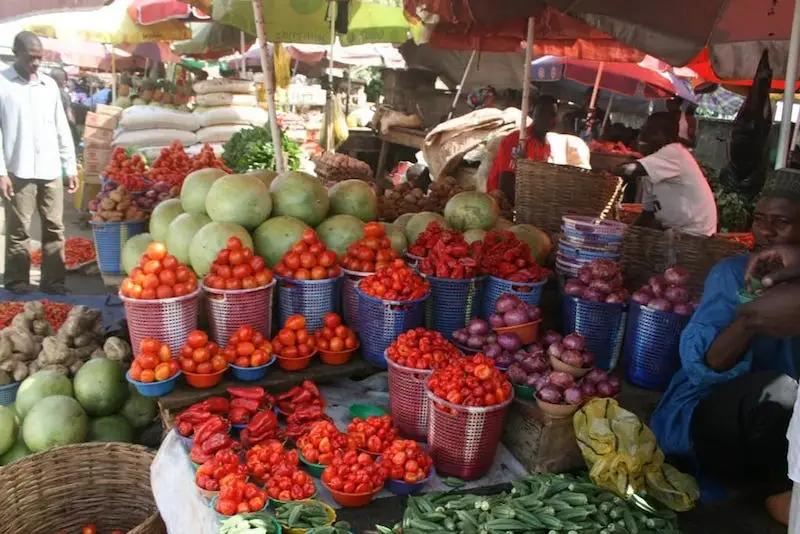
Low agricultural yield and post harvest loss is a factor that threatens food security in Nigeria. The spine of Nigeria’s food system is small scale farming. Most farmers cultivate on small lands using crude tools, rain fed methods, and limited access to organically improved seeds and chemical fertilizers. This makes the yields from the farmland far below global averages. A maize farmer in Kaduna or a cassava farmer in Benue usually produces a fraction of what the same plot would yield in Brazil or the United States. Majority of the time when crops are harvested, a huge portion never reaches the consumer. Why? Due to poor storage, bad roads, and lack of food chain facilities. These shortcomings cause post harvest losses of 30% to 50% for perishable foods like onions, pepper, tomatoes, leafy vegetables, fruits, etc. During harvest seasons, tomatoes rot in trucks stuck on the Lagos Ibadan and other expressway. In rural markets, bags of onions shrink and sprout before they can be sold. For a nation that already produces less than it needs, losing half of it after is a national wound.
Climate change and environmental degradation is one unpredictable factor that contributes to the rising food crisis. Nigeria’s weather has become more and more unpredictable in recent times. In the north, desertification from the Sahara advances southward at about 0.6km per year. Farmlands in Borno, Yobe, and Katsina are turning to sand. Rainfall patterns usually change, causing late planting, early cessation of rains, and crop failure. The middle belt states and southern states, the complete opposite problem appears i.e excessive rainfall and flooding. The 2022 floods destroyed over 70,000 hectares of farmland and displaced farming communities in Kogi, Bayelsa, and Anambra states respectively. The fertility of the soil is also rapidly declining due to continuous cropping without proper nutrient replacement. Erosion washes away top soil, while overgrazing by animals and deforestation reduces land cover. As the soil fertility weakens, farmers are forced to expand into forest areas, creating conflicts and increasing environmental damage.
We cannot talk about Nigeria’s food crisis without mentioning insecurity. Farmers-herdsmen clash over land and water have killed a lot of people and displaced communities across Plateau, Benue, Nasarawa, and Kaduna. Banditry in the northwest and insurgency in the northeast have made large farmlands inaccessible. When farmers flee, food production becomes a problem in those regions. The northeast, which one contributed greatly to grow grains and livestock, now depends heavily on food to grains and livestock, now depends heavily on food aid. Markets close, supply chains break, and the cost of transporting food from safer areas rises. Insecurity does not just destroy farms, it destroys the confidence needed to invest in agriculture for the next season.
Nigeria’s food problems are very serious but they are not limited to no solutions. Nigeria has the land, the labour, and the knowledge to feed itself and export surplus. What is missing is coordination, investment, and political will sustained from overtime. Food security is not just about having enough foodstuffs in the warehouse. It is about a farmer in Sokoto planting with confidence, a mother in Port Harcourt buying nutritious food at a fair price, and a boy in Maiduguri growing up healthily without stunted growth. Until the entire food production chain from the soil to stomach works efficiently, Nigerians will continue feeling the pain of hunger in a land of plenty. This is a national emergency that demands national urgency, not another committee report left to gather dust. Every delayed harvest, every empty plate, every stunted child represents a policy failure we can no longer afford. Fixing that food production chain is not charity. It is one of the most pressing economic, security, and moral projects for Nigeria’s survival and future prosperity. The time for piecemeal promises and half measures is over. What Nigeria actually needs now is a decisive, unified, persistent action backed by the accountability of every level of government.