Global Issues
GLP-1 Lawsuits Expose a Global Failure of Drug Accountability -By Fransiscus Nanga Roka
Which is why these lawsuits should be a worry to everyone, including people never take these drugs. Because once that public confidence in drug accountability starts to crack, the fallout doesn’t keep neatly within one group of drugs. It is permeating the entire promise of modern healthcare. And when people lose faith that the system will protect them before, during and after an assault what we have is no longer a pharmaceutical crisis. It becomes democratic.

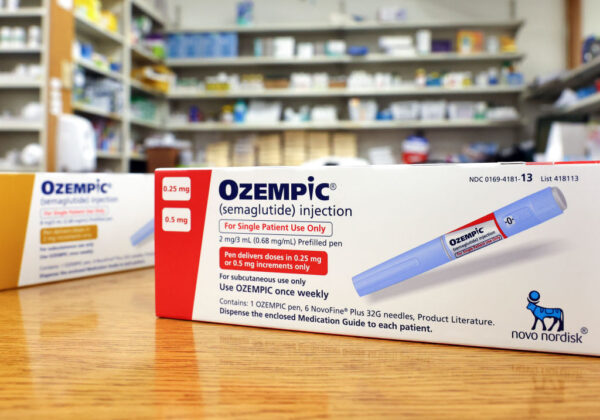
This is not an isolated shitshow in the world of pharmaceuticals. They warn of the collisions that can occur when medicine, corporate power and public desperation collide in a way that leaves patients bearing their weight.
Ozempic and Wegovy, which have been hailed as miracle drugs for diabetes management and weight loss, turned into cultural phenomena in – 2023 thanks to endorsements from celebrities, social media hypeand insatiable market demand. However, the risks of causing public harm scale up once a drug moves beyond just being a drug: once it becomes an emblematic lifestyle accessory and commercial behemoth born to endure as well as reinvent itself at every turn. Expectations climb, prescribing spreads out and the gulf between medical prudence and commercial enthusiasm starts to close.
And that is the part where current lawsuits are so critical. The question is not just whether each and every charge will hold up in litigation. Lawsuits are not rulings and allegations are not evidence. The idea would be to file mass litigation on this scale but such activity signals a deeper moral problem: A public crisis of trust. It implies that many patients think the system meant to safeguard them has lagged, whispered and/or succumbed too readily to ascertainable commercial momentum of blockbuster medicine.
This is not a case against innovation. Nobody with a serious stake in the discussion should dispute that GLP-1 therapies have provided tangible benefits to many patients. The actual critical issue comes from the fact how innovation feet into any system which is paying for higher levels of expansion than accountability. They exist in a culture of disruption, with investors that demand growth and OP public desires almost always one step ahead of basic understanding. Under that condition, the side effects could be greater than clinic complications. They can become the political proof point of a much more systemic failure.
What makes this moment so chilling is the enduring power imbalance. The typical patient can only have the most intimate experience of a drug: as it enters his or her body. Bust through pain, nausea or fear and the uncertainty of even wishes turning into medical complications. The same crisis that works its way through spreadsheets, risk assessments, litigation teams and brand management for the corporation. The repercussions of this are felt biologically by one side. The other manages them institutionally.
This asymmetry is the very heart of the problem of accountability. Patients have to be willing to trust labels, physicians, regulators and manufacturers. They are informed that contemporary drug systems come from safety, transparency and evidence. However, when the concerns are large-scale in nature a government wide issue involving multiple agencies and offices, it easily becomes defensive, decentralised, and bureaucratic. Warnings are debated. Causation is contested. Liability is narrowed. This is precisely when clarity becomes essential, and this is also the moment in which communication ticks into a technical mode.
The more damning scandal is that you have these side effects existing. Every serious medicine carries risk. The scandal is that the global architecture of drug accountability looks more comfortable in commercializing hope than confronting harm. The speed at which a medicine can cross borders is astounding, but truly meaningful accountability remains frozen in the slower systems of litigation, regulation and public disclosure. Profit is globalized efficiently. Responsibility is localized reluctantly.
That is what makes the GLP-1 lawsuits so much more significant than any one specific company or product line. But they pose a greater discomfort question: What happens when medicine is in the marketplace but society (at least some part) has not fully reconciled what scale means, who pays? In theory, the solution must be common between companies and regulators, medical institutions and public health systems. The pain begins with the patient who also waits last to be recognized.
And the problem is exacerbated by media hysteria directed at these drugs. There has so often been an over-steer in public debate between miracle and panic, with little room for sober accountability. Such volatility benefits no one other than the institutions that are powerful enough to outlast both hype and backlash. Patients should have more than being caught in the middle of pharma marketing and legal jargon.
Not moral hysteria, but a serious moral engagement is what we need now. The harm companies do cannot be evaluated merely by whether they could prevail in Court, but instead should rest on a ascertainment of degree pertaining to how transparent their behavior was considering the amount for which society has relied. Regulators must be evaluated not just on technical compliance but whether they quickly and candidly addressed a growing problem. And the larger medical ecosystem must finally walk away from speed, scale and spectacle.
This is more than just a case of adverse events in the GLP-1 litigation. The question is whether modern health systems still remember who they are meant to serve. If blockbuster drugs alone can produce stupendous demand, yet also valorize huge profits and then liability without a wider reckoning emerging, the message to society will be merciless: in global medicine accountability moves slower than money.
Which is why these lawsuits should be a worry to everyone, including people never take these drugs. Because once that public confidence in drug accountability starts to crack, the fallout doesn’t keep neatly within one group of drugs. It is permeating the entire promise of modern healthcare. And when people lose faith that the system will protect them before, during and after an assault what we have is no longer a pharmaceutical crisis. It becomes democratic.
Fransiscus Nanga Roka
Faculty of Law University 17 August 1945 Surabaya Indonesia