National Issues
Grid Failure, Leadership Failure: Presidency Turns to Solar While Nigerians Remain Trapped in Chronic Darkness -By Daniel Nduka Okonkwo
Transitioning to solar and decentralized power is more than an energy shift. It is a declaration of resilience, innovation, and hope. By harnessing the boundless light above us, nations can illuminate pathways to prosperity, empower communities, and secure a sustainable future. The dawn is no longer a promise deferred; it is a reality within reach. As this new age of light unfolds, it carries with it the assurance that progress, equity, and opportunity will shine on every corner of the land.


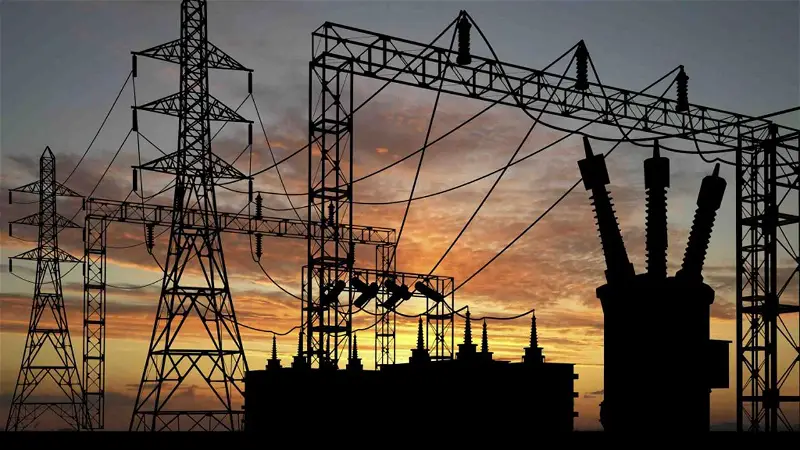
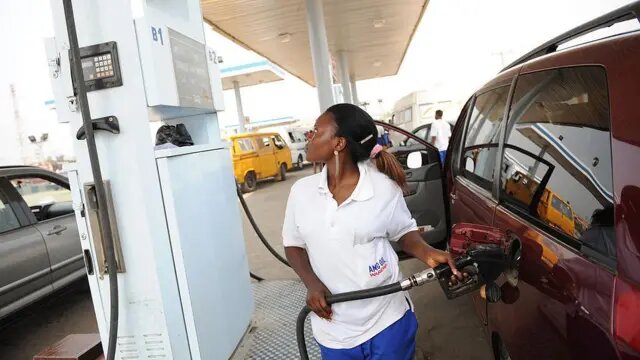
For decades, citizens endured the tyranny of a broken electricity system, an aging national grid crippled by corruption, debt, and chronic neglect. Nigerians were forced to buy their own transformers for their residences, while businesses hemorrhaged billions of naira on diesel. Across the country, survival depended on what many now describe as the “generator economy,” a costly and unsustainable substitute for reliable public power.
In a country where billions have been poured into a faltering national grid, the decision to install a ₦10 billion solar mini-grid at the Presidential Villa is more than a technical upgrade. It is a symbolic rupture. It signals that even the seat of power no longer trusts the system meant to electrify the nation. What was once dismissed as theory, renewable energy as a lifeline, is now a practical and urgent reality in Nigeria. The Villa’s raison d’être to solar is both an indictment of failed privatization and a declaration that the future of power lies beyond the grid.
More than a technical upgrade, the move sends a powerful signal. If the seat of government can abandon unreliable grid power, then institutions, industries, and communities across the country can do the same.
Nigeria’s electricity sector is under immense strain. The national grid, much of it built over half a century ago, suffers from weak transmission infrastructure, outdated equipment, and inadequate maintenance. Frequent system collapses, several recorded in early 2026 alone, have left millions without consistent access to power.
An estimated 90 million Nigerians remain unconnected to the grid, while those with access often receive only a few hours of electricity daily, sometimes enduring outages that stretch for days.
Small and medium-sized enterprises, the backbone of the economy, face soaring operational costs and reduced productivity due to unreliable power supply. Households struggle with rising fuel expenses as they depend on petrol and diesel generators to meet basic energy needs. For many families, persistent outages mean spoiled food, disrupted routines, and a general decline in quality of life.
Critical sectors are equally affected. Hospitals face interruptions that threaten patient care, while schools experience disruptions that undermine learning outcomes. In northern regions, where extreme heat has intensified, the absence of reliable electricity compounds already difficult living conditions.
At the institutional level, privately operated generation and distribution companies remain burdened by debts exceeding ₦6.8 trillion, alongside technical and operational limitations that hinder effective service delivery. Unlike Nigeria’s telecommunications sector, which prioritizes continuous investment and maintenance, the power sector has often transferred infrastructure responsibilities to already burdened communities.
The Federal Government has begun prioritizing renewable energy as a pathway to stability and growth. In the 2025 fiscal framework, ₦500 billion has been allocated for the solarization of public institutions, alongside ₦70 billion dedicated to solar mini-grids in universities.
International partnerships are also playing a critical role. A 750 million dollar World Bank-backed program aims to provide distributed solar electricity to approximately 17.5 million Nigerians, particularly in underserved and off-grid communities. In parallel, a 400 million dollar investment is being directed toward developing local solar manufacturing capacity, an effort that could reduce import dependence while creating jobs and strengthening the domestic energy value chain.
These initiatives reflect a deliberate move away from a centralized, fragile grid toward decentralized energy solutions. Mini-grids and standalone solar systems are emerging as viable alternatives, capable of delivering reliable electricity directly to homes, businesses, and institutions without relying on overstretched national infrastructure.
The solarization of the Presidential Villa is, at its core, both practical and symbolic.
Practically, it demonstrates the cost-saving potential of renewable energy by reducing long-term expenditure on diesel and maintenance. Symbolically, it represents a shift in governance, an acknowledgment that the existing system can no longer meet the country’s needs.
For ordinary Nigerians, this transition carries significant implications. Reduced dependence on diesel generators could lower energy costs, improve air quality, and enhance public health. Reliable electricity would support economic productivity, enable small businesses to thrive, and improve living standards across urban and rural communities alike.
The collapse of the traditional power system has exposed decades of systemic failure, but it has also created an opportunity for transformation. Renewable energy, particularly solar, offers a pathway not only to energy security but also to economic resilience and environmental sustainability.
Sustained investment, regulatory reform, and transparent implementation will determine whether these ambitious initiatives translate into real and lasting change. Without accountability and technical capacity, even the most promising policies risk falling short.
Yet, if successfully implemented, the current shift could mark the beginning of a new era, one in which access to reliable electricity is no longer a privilege, but a standard.
For millions of Nigerians, energy is more than infrastructure. It is opportunity, dignity, and survival.
Transitioning to solar and decentralized power is more than an energy shift. It is a declaration of resilience, innovation, and hope. By harnessing the boundless light above us, nations can illuminate pathways to prosperity, empower communities, and secure a sustainable future. The dawn is no longer a promise deferred; it is a reality within reach. As this new age of light unfolds, it carries with it the assurance that progress, equity, and opportunity will shine on every corner of the land.
Daniel Nduka Okonkwo is a Nigerian investigative journalist, publisher of Profiles International Human Rights Advocate, and policy analyst whose work focuses on governance, institutional accountability, and political power. He is also a human rights activist, human rights advocate, and human rights journalist. His reporting and analysis have appeared in Sahara Reporters, African Defence Forum, Daily Intel Newspapers, Opinion Nigeria, African Angle, and other international media platforms. He writes from Nigeria and can be reached at dan.okonkwo.73@gmail.com.