Africa
High Cost of Living: When Healthcare Becomes a Luxury for Nigerian Families -By Rinret Istifanus
The high cost of living is more than an economic issue it is a humanitarian one. Until healthcare becomes accessible and affordable for every Nigerian, families will continue to pay the heaviest price: their health, their dignity, and in some cases, their lives. The story of families like the Dabuks is a stark reminder that economic struggles are not just about money they are about survival.

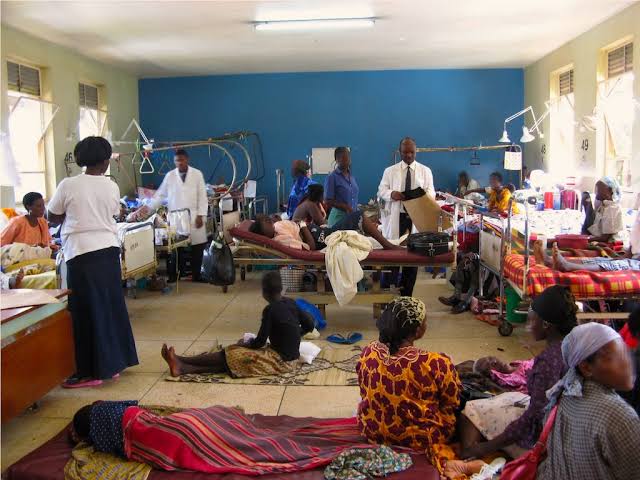
The high cost of living in Nigeria is a reality that affects everyone, from the bustling cities to rural villages. We often hear about soaring prices of food, housing, and fuel but for millions of families, the most painful impact comes when it hits their health. Healthcare, which should be a basic human right, is increasingly becoming a luxury many cannot afford.
Across the country, families are struggling to access medical care. Hospitals charge fees that far exceed what an average household can pay. Medicines, especially for chronic or life threatening conditions, are often priced out of reach. Health insurance, which could provide some relief, remains largely inaccessible for low-income households.
Take, for example, a family in Plateau State. Already living on a tight budget, their father was diagnosed with breast cancer. A simple medical test cost ₦80,000 an amount that could wipe out months of their income. For the Dabuk family, this was not just a financial strain, but an emotional and psychological burden. They were forced to confront an impossible choice: try to scrape together the money or risk their father’s health deteriorating. Stories like theirs are far from unique.
In many parts of Nigeria, families face similar struggles. A mother may delay her own treatment because she has to pay school fees for her children. A father might skip a necessary surgery to keep food on the table. Preventable illnesses become fatal, and chronic diseases go untreated, creating cycles of suffering and poverty that are difficult to break.
Several factors contribute to this healthcare crisis:
Rising inflation: As the cost of living increases, medical expenses take up an even larger share of household income.
High cost of medicines: Imported drugs are expensive, and locally manufactured alternatives are often limited.
Insufficient public healthcare funding: Public hospitals, where care should be affordable, are under-resourced, poorly equipped, and overstretched.
Limited insurance coverage: Only a small fraction of Nigerians have access to reliable health insurance, leaving most to pay out of pocket.
The consequences are profound. Families fall into debt, children go hungry, and lives are lost due to untreated illnesses. The psychological toll is equally severe stress, anxiety, and depression are often hidden costs of the high cost of living.
Experts argue that urgent action is needed:
Government intervention: Subsidized healthcare, increased hospital funding, and policies to make treatment affordable.
Affordable insurance schemes: Expanding coverage to low income families can protect them from catastrophic expenses.
Local production of drugs and medical supplies: Reducing dependence on imports can lower prices.
Preventive healthcare programs: Community health education and vaccination campaigns can reduce hospital visits and long term costs.
The high cost of living is more than an economic issue it is a humanitarian one. Until healthcare becomes accessible and affordable for every Nigerian, families will continue to pay the heaviest price: their health, their dignity, and in some cases, their lives. The story of families like the Dabuks is a stark reminder that economic struggles are not just about money they are about survival.
Nigeria cannot afford to ignore this crisis. Affordable healthcare is not a luxury it is a lifeline. And every day that it remains out of reach, the human cost grows heavier.