Forgotten Dairies
Hollywood’s AI Lawsuit Exposes Its Own Hypocrisy -By Fransiscus Nanga Roka
The American courts have an abundance of intellectual property cases on their dockets, and we are in a position to determine the future of IP law in the world. If Judge John Kronstadt lets Midjourney open the studios’ internal files, the world will have seen undeniable proof that unlicensed data practices are “industry custom” including those at the very institutions that preach copyright safety loudest.

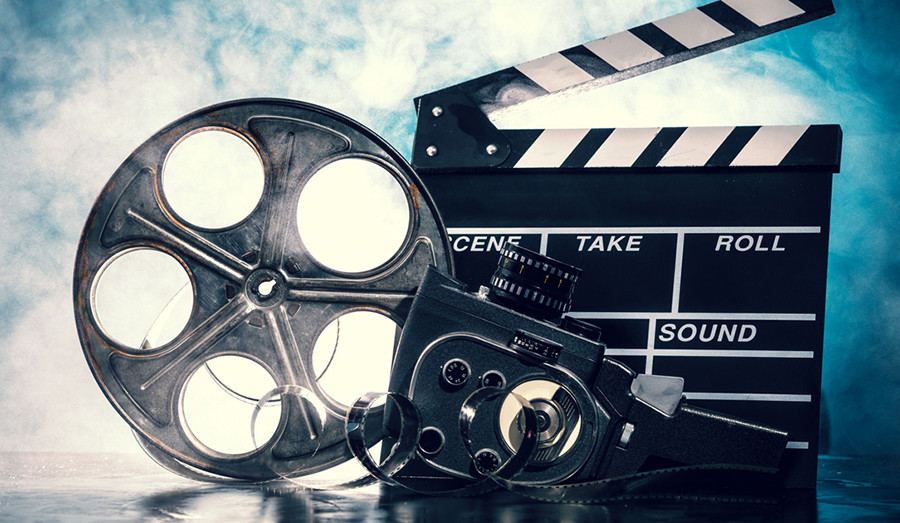
Well, something deliciously absurd can be heard in a courtroom in Los Angeles. Disney, NBCUniversal, and Warner Bros. Three entertainment giants who called Midjourney a “bottomless pit of plagiarism” are now rushing to keep their closets closed when asked to open them: Discovery
In June 2025, Disney and Universal sued Midjourney for running its generative model on unlicensed works that fall under the same statutory protection as copyright, alleging statutory damages of up to $150,000 per infringed work. Warner Bros. Discovery signed on in September 2025, accusing the company of “brazen imagery theft” of Superman-like people and Batman-esque figures. They made a clean and morally confident argument: generative tech does not have the right to voraciously consume human creative labor for profit. Fine. The high ground was theirs to take up until now.
Next Midjourney pulled a brilliant, publicly humiliating legal move where it was like hey studios you cough this shit up for your internal A.I., training data, model weights, business plans even board-meeting presentatons on artificial intelligence. This is a logic shockingly simple: If these studios utilize in-house AI tools for storyboarding, concept research or ideation and those tools trained on unlicensed third-party material, then the plaintiffs are prosecuting their crime secretly behind closed doors.
This is where the rot shows. A magistrate judge originally ruled the studios could only share information of “consumer-facing” AI programs in advance, in order not to reveal their internal trade secrets out of the spotlight. But if Disney really had nothing to hide, why are they fighting so hard to keep their own use of AI under wraps? The answer: because it probably does. In a quiet but aggressive fashion the global entertainment industry has adopted generative technologies to speed up production, cut costs, and take as much human labor as possible out of the pipeline for the time being but then they respond with victimhood once the same technology comes for their territory.
This is more than just a copyright dispute. It is a textbook example of global corporate hypocrisy. Their objection is not to unlicensed AI training but, on principle, from using AI training not paid for in terms of royalties but to the use by others without compensation. They demand higher prices from an AI company doing the same thing in a structural way but not the residuals with writers and actors during labor negotiations. That irony should pierce the hearts of all who value legal rule around the world.
The American courts have an abundance of intellectual property cases on their dockets, and we are in a position to determine the future of IP law in the world. If Judge John Kronstadt lets Midjourney open the studios’ internal files, the world will have seen undeniable proof that unlicensed data practices are “industry custom” including those at the very institutions that preach copyright safety loudest. If he doesn’t agree, the court will really set a double standard: heavy responsibility for scrappy AI startups and silent immunity for trillion dollar conglomerates that could hire lawyers like those to which money can be bought.
This case is a cautionary tale to the rest of the world, not only for Indonesia but also for other countries that are now in the process of making their own legal frameworks for AI and digital copyright. Refusing to let the people who can afford the lawyers with diamond heels and lobbyists like weapons waste billions on global AI regulation. Real judicial equity requires that same level of transparency whether the defendant is a startup in San Francisco or a media conglomerate worth hundreds of billions. Midjourney might be liable. But no loud shouts from a hypocrite make her accusations more credible.
Fransiscus Nanga Roka
Faculty of Law University 17 August 1945 Surabaya and Managing Partener Law Firm Victorious Indonesia