Africa
Nigeria @65: Time to Celebrate or Grieve? -By Ajiboye Amos Olakunle
If the answers to these questions are a resounding “no,” then no amount of statistical gymnastics can whitewash the failure. The real report card is written not by the government, but by the people who live the consequences of its governance.

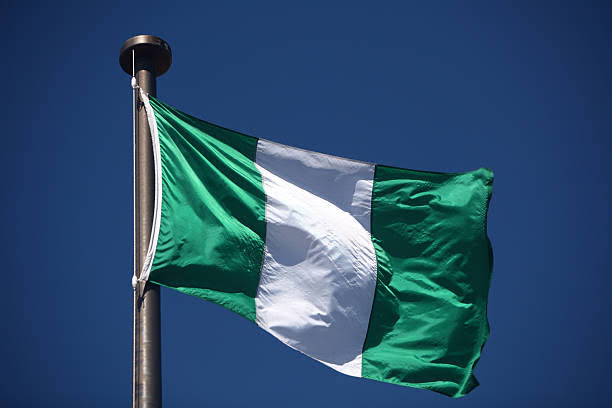
As Nigeria marks another Independence anniversary, the air is not filled with the scent of celebration, but with the thick smog of apprehension. The question on every lip is a painful one: at 65, is this a birthday to celebrate, or a funeral to mourn?
Every four years, the script is painfully familiar. Politicians, draped in pristine agbadas, stand at polished podiums, smiling as they recite a litany of numbers: a growing economy, improving security, booming infrastructure. The charts point upwards, the speeches are polished, and the applause is meticulously rehearsed.
But step outside those air-conditioned halls,and a different Nigeria confronts you. A nation where mothers count coins to buy a loaf of bread, where fathers pray their children return safely from school, and where young people clutch international passports as their only tangible hope. If our leaders insist on proclaiming success while the citizens endure relentless hardship, then we must ask: are we celebrating a nation, or mourning it?
The Failing State: Insecurity Becomes a National Plague
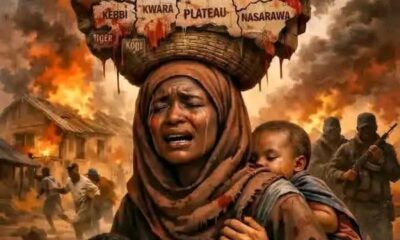
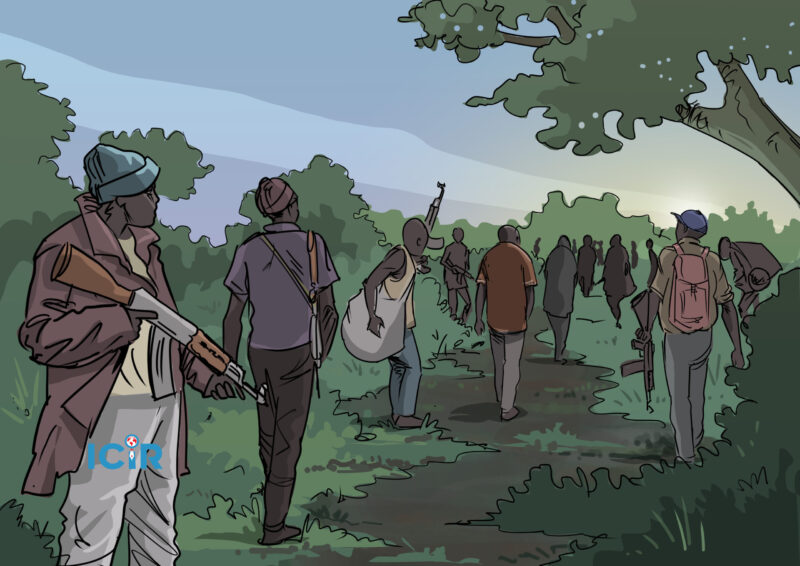
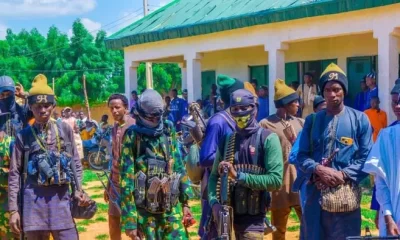
The government’s favourite phrase, that insurgents have been “technically defeated,” is a cruel joke to millions of Nigerians for whom are the unfortunate victims of terrorism. The crisis is no longer confined to the Northeast; it has advanced. The North-West is besieged by bandits who tax farmers for the right to their own land. The North-Central, once considered the nation’s food basket, is now a killing field, with Benue, Plateau, and Nasarawa states drenched in cycles of violence.
And now, Kwara, a state once known for its relative peace, has become the latest victim ravaged by this spreading insecurity. From the North-East to the North-West, and through the entire North-Central, there is no peace. The Abuja-Kaduna highway, a symbol of this failure, was meant to be secured by a modern train line, a project touted as progress. Yet, in March 2022, terrorists attacked that very train, killing and abducting passengers. This is not success; it is a monumental failure of the most basic duty of any government: the protection of life and property.
The Economic Mirage: When ‘Growth’ Means Empty Stomachs
Every administration, especially since the APC came into power in 2015, boasts of GDP growth and economic reforms. But what value do these numbers hold for the family whose savings have been erased?
In 2015, the naira was ₦197 to $1. Today, it struggles around ₦1,500. This isn’t a policy talking point; it is the reason businesses are collapsing and parents stare at empty pots. With inflation officially over 33%, the new ₦70,000 minimum wage is a drop in a boiling ocean. It barely covers a bag of rice and transport for a month. How can a government celebrate an economy where the people it governs are starving? Success is not measured in spreadsheets compiled in Abuja; it is measured in the kitchens of ordinary Nigerians, where the pots are too often empty.
The People’s Verdict: The Japa Exodus
If you seek the truest, most damning assessment of the state of the nation, look not to the National Assembly, but to the international airports. The relentless exodus of our best and brightest doctors, nurses, engineers, and tech experts is not a trend; it is a silent scream of despair. The “Japa” syndrome is not a lack of patriotism; it is a rational response to a nation that offers its youth no jobs, no security, and no future. When a country’s most valuable asset, its human capital is voting with its feet, the government has already received a failing grade.
WHAT IS THE SCORECARD SO FAR?
So, how can Nigerians truly rate their government? The yardstick is not found in press releases from the Presidency or propaganda on NTA. It is painfully simple and grounded in the daily reality of the people:
Safety: Can a Nigerian in any part of the country, Kwara, Zamfara, Imo, or Lagos walk their streets or travel their highways without the fear of being kidnapped or killed?
Livelihood: Can the average salary or income feed a family with dignity, cover their bills, and allow for a sliver of savings?
Hope: Do young people see a future in Nigeria worth building and staying for?
If the answers to these questions are a resounding “no,” then no amount of statistical gymnastics can whitewash the failure. The real report card is written not by the government, but by the people who live the consequences of its governance.
As we look at Nigeria at 65, the evidence on the ground suggests there is little to celebrate and much to mourn. The celebration will be meaningful only when our leaders stop grading their own flawed scripts and start being judged by the only standard that matters: the safety, dignity, and hope of every single Nigerian.