
Africa
PENGASSAN vs DANGOTE: Violation of Labor Rights or Economic Sabotage? –By Matthew Ma
The ongoing debate highlights a broader question regarding the type of society Nigeria aims to foster and the values it chooses to uphold. Should we permit large corporations to exploit their workforce under the pretext of economic necessity, or should we advocate for the protection of workers’ rights, even if doing so poses challenges to industries that are ostensibly positioned to drive the nation out of economic stagnation?

Every year, during Nigeria’s Independence Day celebrations, we encounter a diverse range of perspectives within the media landscape. Some commentators express support for the government, emphasizing its achievements and advancements, while others adopt a more critical viewpoint, highlighting its shortcomings and areas in need of reform. Amid this vibrant discourse, our collective aspiration remains clear: to nurture Nigeria as a welcoming and inclusive nation for all its citizens, transcending ethnic, religious, and regional divides. This year, however, I have chosen to take a different approach in my reflections on Independence Day. Rather than concentrate solely on the typical narratives regarding governance and national pride, I want to focus on a significant and contemporary issue—the ongoing standoff between the Petroleum and Natural Gas Senior Staff Association of Nigeria (PENGASSAN) and the Dangote Refinery. This confrontation between two powerful entities raises critical concerns about labor rights, corporate responsibility, and the implications for our national economy. As the conflict unfolds, it compels Nigerians to confront a crucial question: Are the actions being taken by PENGASSAN and its members aimed at achieving justice and fair treatment for workers in the petroleum sector? Or, if mishandled, could this standoff pose a risk to the nation’s economic stability and overall well-being? Given the critical role of the oil and gas industry in Nigeria’s economy, the outcome of this dispute could have far-reaching consequences that go beyond just the immediate parties involved.
The ongoing standoff between the Petroleum and Natural Gas Senior Staff Association of Nigeria (PENGASSAN) and the Dangote Refinery has highlighted the intricate relationship between labor rights and the broader economic interests of the nation. Reports have highlighted a dispute between the Union and Dangote Refinery regarding the dismissal of approximately 800 Nigerian workers. This mass termination reportedly occurred shortly after these employees verified their membership in the Petroleum and Natural Gas Senior Staff Association of Nigeria (PENGASSAN), raising concerns about the timing and motivations behind the layoffs. PENGASSAN accused Dangote of strategically replacing many of the dismissed local workers with expatriates, particularly from India, a move that has exacerbated tensions within the workforce. The Union asserts that some expatriate workers may not possess the appropriate immigration documentation, which complicates the situation and creates a sense of injustice among the local workforces. In light of these serious allegations and as a form of protest, PENGASSAN took decisive measures by instructing its members to halt all gas and crude supply operations to the Dangote Refinery. Additionally, they urged fuel dealers nationwide to temporarily close their fuel stations in solidarity, underscoring the gravity of the situation.
In defense of its actions, Dangote Refinery clarified that the dismissals were not motivated by malice or discrimination but instead were part of a comprehensive reorganization strategy aimed at enhancing safety protocols, improving operational efficiency, and protecting the plant from potential acts of sabotage. The company denies allegations of a “mass sack” or the unlawful replacement of local employees with expatriates, emphasizing its commitment to adhering to the legal frameworks governing employment practices. Moreover, Dangote points out that it employs thousands of Nigerian nationals and that the engagement of expatriates in specialized or technical roles is essential for effective knowledge transfer and skill development. This contentious situation raises significant legal and ethical concerns. The claims made by PENGASSAN regarding mass layoffs, the alleged preference for foreign replacements, and the broader implications for working conditions carry substantial weight. On the other hand, Dangote’s explanations regarding safety concerns, the threat of sabotage, and the necessity for reorganization as part of corporate growth are also understandable; companies often need to adjust their workforce in response to evolving technical or safety standards during periods of expansion.
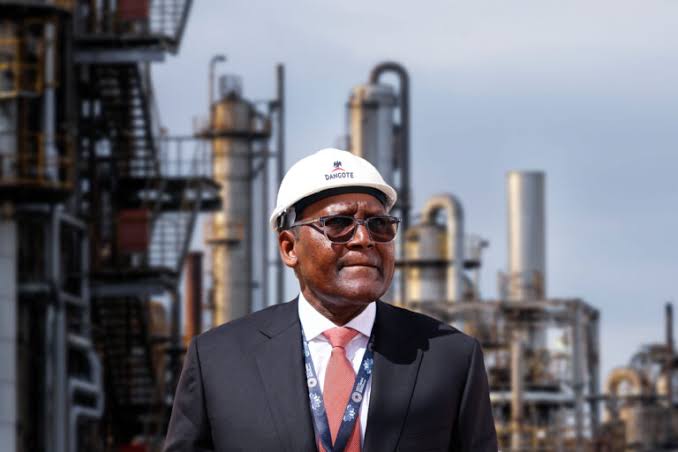
The fundamental issue revolves around whether these staffing changes were implemented with transparency, legality, and meaningful consultation with labor representatives—factors essential for fostering a fair and just workplace environment. In a democratic society, the rights of workers are not merely privileges; they are essential and non-negotiable. The Nigerian Constitution, the Labour Act, and various international labor conventions to which Nigeria is a signatory collectively affirm the dignity and rights of workers. To ignore or disregard these rights is to risk normalizing exploitation and send a dangerous message—that large corporations, regardless of their influence or economic significance, may operate with little regard for the well-being of the individuals whose hard work and dedication underpin their success. On the other hand, the Dangote Refinery represents a crucial venture of significant national importance. Recognized as Africa’s largest petroleum refining facility, it is designed to address Nigeria’s overwhelming reliance on imported oil products, a situation that has historically burdened the nation’s economy. The refinery has the potential to stabilize fuel prices by enhancing local production capacity, thereby reducing market volatility caused by external factors. Moreover, it is anticipated that the refinery will generate thousands of job opportunities for Nigerians, thereby fostering economic growth and enhancing skill development within the workforce. Considering the significant influence the refinery is set to have on the nation’s economic landscape, any efforts to disrupt its operations—such as strikes, protests, or temporary shutdowns—could significantly impede a crucial element of Nigeria’s economic framework.
At the heart of this complex conflict lies a nuanced challenge: how can we effectively safeguard the rights and well-being of workers while simultaneously promoting an initiative essential for economic growth and sustainability? Addressing these questions requires the government, particularly the Ministry of Labour and Employment, to act as a neutral mediator, ensuring that all stakeholders—workers, employers, and policymakers—are heard and respected. Their role is to foster a more harmonious working environment, emphasizing the importance of open and transparent dialogue. This involves creating structured platforms where employees can voice their concerns freely, without fear of retaliation, while employers can convey their operational needs. Additionally, the government should establish equitable arbitration processes to resolve disputes fairly and efficiently, preventing conflicts from escalating unnecessarily. Furthermore, it should enforce legal agreements to provide a stable framework for cooperation and compliance among all parties involved.
The ongoing debate highlights a broader question regarding the type of society Nigeria aims to foster and the values it chooses to uphold. Should we permit large corporations to exploit their workforce under the pretext of economic necessity, or should we advocate for the protection of workers’ rights, even if doing so poses challenges to industries that are ostensibly positioned to drive the nation out of economic stagnation? This dilemma should not be viewed as a mere zero-sum game, where the gain of one party equates to the loss of another. Instead, we should recognize that Nigeria requires a model of industrial growth that can thrive in harmony with the well-being of its workforce. The proposed refinery should not only stand as a symbol of national pride, reflecting our potential for progress, but also as a testament to the principles of fairness and respect for human dignity. To realize this vision, we must cultivate an environment where workers are treated with the dignity they rightfully deserve, ensuring their rights are safeguarded rather than trampled upon for the sake of profit. Therefore, let us establish industries that respect and elevate their employees, rather than exploit them. Only then can we assert that our economic progress genuinely embodies the aspirations of all Nigerians.
The current crisis presents a significant opportunity—a crucial moment for reimagining and redefining the relationship between capital and labor in Nigeria. Should the claims made by the Petroleum and Natural Gas Senior Staff Association of Nigeria (PENGASSAN) prove valid, neglecting these concerns would set a troubling precedent for exploitation within the industry. Should the claim not be valid then the ongoing disruptions at the refinery could jeopardize Nigeria’s ambitions for achieving long-awaited energy independence, a goal crucial for the nation’s economic development. Given the circumstances, the Nigerian government, acting as a neutral mediator in this dispute, cannot afford to remain inactive. The Ministry of Labor and Productivity, in collaboration with relevant regulatory bodies, should take decisive measures to intervene to prevent a prolong strike. Similarly, should the refinery continue to experience ongoing interruptions and disruptions in its operations, Nigeria risks jeopardizing its long-standing objective of achieving energy independence. Such challenges could severely impact the country’s capacity to meet its domestic energy needs, resulting in a heightened dependence on imported fuels that would threaten national energy security. Furthermore, sustained disruptions could impede Nigeria’s strategic efforts to diversify its energy sources and bolster local production capabilities.
For many years, we have enjoyed a prolonged period without strikes from PENGASSAN or NUPENG. However, given the current situation between PENGASSAN and Dangote, I would not be surprised if this strike continues for an extended period. Strikes have regrettably become a common aspect of our daily lives. Whether it is ASUU, a labor union, or medical staff, it often feels like we wake up each day uncertain of what new challenges may arise. As we navigate this ongoing dispute, it is crucial to highlight the importance of protecting workers from exploitation. Workers’ rights and dignity must always be at the forefront of any economic discussion. However, it is equally essential that major industries, such as the Dangote Refinery, are permitted to operate and grow without unnecessary disruptions. The refinery is not just a business; it represents a vital component of Nigeria’s economic future, with the potential to create jobs and foster development. At this juncture, what we need is a commitment to honest and constructive dialogue among all stakeholders involved. This dialogue should ensure a strict adherence to labor laws while also providing room for the industry to flourish. Government mediation will play a crucial role in facilitating this process, helping to strike a balance that protects the rights of workers without jeopardizing the operational viability of key projects.
The question now is: Do we genuinely value our workers enough to protect them, even against the most dominant conglomerates, or do we cherish economic progress sufficiently to encourage unions to seek justice through dialogue, rather than through disruption? The solution to this question must strike a delicate balance. Labor rights and economic stability are not opposing forces; instead, they are allies. For the refinery to truly represent national pride, it must uplift both the economy and the Nigerian workforce. We urge PENGASSAN to put an end to the ongoing strike actions that have unfortunately become a frequent occurrence in Nigeria’s industrial landscape. While we understand that strikes are often seen as a necessary means to address grievances, they are not the most effective solution to the challenges currently faced in negotiations between PENGASSAN and the Dangote Group. We must understand that the frequency and duration of these strikes can lead to significant disruptions, ultimately jeopardizing the very foundation of economic growth that we strive to achieve as a nation. The interruption of operations not only affects the businesses involved but also has a ripple effect in the broader economy, impacting countless individuals and families who depend on a stable work environment for their livelihoods. Given these concerns, we advocate for a more proactive and collaborative approach to resolving disputes. If PENGASSAN seeks justice, it should pursue it through appropriate channels rather than resorting to industrial action, which could jeopardize economic stability.

Matthew Ma
Rev. Ma, S. J., is a Jesuit Catholic priest of the North West Africa Province of the Society of Jesus. He currently writes from Abuja, Nigeria.






















You must be logged in to post a comment Login