Forgotten Dairies
President Tinubu’s Large Entourage To The UK -By Tochukwu Jimo Obi
Nigeria cannot afford to continue down this path of wasteful spending. It is time for leaders at all levels to demonstrate genuine commitment to efficiency, accountability, and the responsible use of public funds. Ending unnecessary extravagance in official travel would be a strong signal that government is serious about prioritizing the needs of its people.

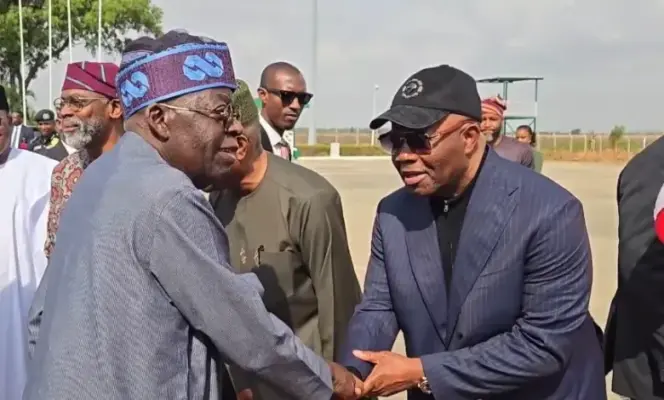
President Bola Tinubu’s recent visit to the United Kingdom has sparked renewed debate over leadership priorities at a time of national distress. The trip comes against the backdrop of tragic terrorist bombings in Borno State, which have left scores dead and many others injured. For many Nigerians, the timing of the visit appears deeply insensitive, raising questions about the administration’s responsiveness to urgent security challenges at home.
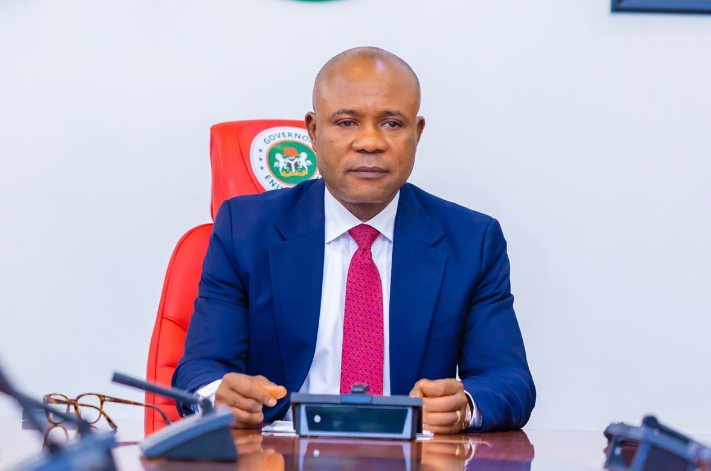
Equally troubling is the decision of Vice President Kashim Shettima to attend the inauguration of Anambra State governor, Professor Charles Soludo, while his home state of Borno grapples with grief and devastation. At a moment when leadership presence and empathy are most needed, such actions risk conveying a disconnect between those in power and the citizens they serve.
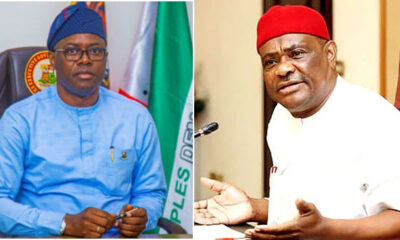
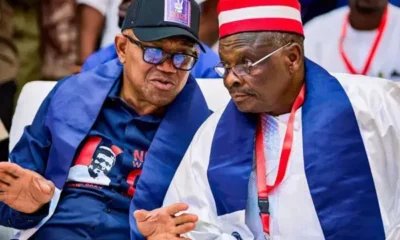
Beyond the unfortunate timing, public concern has also focused on the size of the delegation accompanying the President to the United Kingdom. Reports indicate that the entourage included state governors, ministers, APC chieftains, and numerous political figures. This display of official excess stands in stark contrast to the hardship faced daily by ordinary Nigerians struggling with inflation, insecurity, and economic uncertainty.
The situation is made more concerning by the fact that in January 2024, President Tinubu had issued a directive aimed at reducing the cost of governance. The order clearly limited the President’s entourage to 20 officials, while that of the Vice President and the First Lady was capped at five. This move was widely welcomed as a step toward fiscal discipline and responsible leadership.
However, the apparent expansion of the President’s current delegation raises serious questions. Has the earlier directive been quietly abandoned, or have those responsible for its implementation simply chosen to ignore it? Either possibility undermines public confidence in government commitments to accountability and prudent management of national resources.
At a time when Nigeria faces pressing economic and security challenges, the optics of a large and seemingly unnecessary entourage are difficult to justify. Citizens expect leadership that not only speaks about sacrifice and reform but also demonstrates it through action. Anything less risks eroding trust and widening the gap between government and the governed.
The financial implications of such trips cannot be overlooked. Maintaining large delegations for foreign visits places additional strain on already limited public resources. These funds could be better allocated to critical sectors such as security, healthcare, education, and infrastructure, areas that directly impact the well-being of Nigerians.
This issue is not limited to the federal level. State governors have also been known to travel with bloated delegations on both local and international trips, often at significant cost to taxpayers. Such practices reflect a broader culture of excess in governance that must be addressed if meaningful progress is to be achieved.
Nigeria cannot afford to continue down this path of wasteful spending. It is time for leaders at all levels to demonstrate genuine commitment to efficiency, accountability, and the responsible use of public funds. Ending unnecessary extravagance in official travel would be a strong signal that government is serious about prioritizing the needs of its people.
Tochukwu Jimo Obi, a concerned Nigerian.