Forgotten Dairies
Recurring Epileptic Power Supply and the Urgent Need for Serious Action -By Tochukwu Jimo Obi
In more accountable societies, public officials who fail to meet their responsibilities often step aside to allow for more capable leadership. Unfortunately, such standards are rarely upheld in Nigeria. As the 2027 elections approach, Nigerians are becoming increasingly aware of their power to demand results. The time for excuses has long passed; what the nation urgently needs is decisive action, genuine commitment, and a leadership willing to be held accountable for delivering stable electricity, an essential foundation for national development.

Nigeria’s persistent struggle with unreliable electricity supply has once again come to the forefront of national discourse. The epileptic nature of power supply across the country has not only crippled economic activities but has also placed an unbearable burden on millions of citizens. From small-scale traders to large manufacturing firms, the impact is widespread and deeply damaging, cutting across every sector of the economy.
Over the years, successive administrations have committed enormous financial resources to the power sector, with promises of reform and improvement. Yet, despite these huge investments, there has been little to no significant progress to justify the billions spent. The gap between policy announcements and tangible results continues to widen, raising serious concerns about transparency, accountability, and efficiency in the management of the sector.
The consequences of this failure are glaring. No nation can achieve meaningful progress without a stable and reliable power supply. Electricity is the backbone of industrialization, economic growth, and technological advancement. In its absence, productivity declines, operational costs skyrocket, and investor confidence diminishes, leaving the country at a competitive disadvantage on the global stage.
Statistics paint an even more troubling picture. From 2015 to date, Nigeria has experienced over 110 power grid failures and collapses, repeatedly plunging the nation into darkness. These frequent breakdowns not only disrupt daily life but also expose the fragility of the country’s power infrastructure. Such a pattern is unacceptable for a nation with ambitions of economic transformation.
The manufacturing sector has borne the brunt of this crisis. Many companies have either shut down operations or relocated to neighboring countries where power supply is more stable and predictable. Those that remain are forced to adopt survival strategies, downsizing their workforce or increasing the prices of their goods and services to offset the high cost of alternative energy sources. The ripple effects include rising unemployment and inflation, further deepening economic hardship.
At the household level, the situation is equally dire. Families now spend thousands of naira weekly to fuel generators, a cost that continues to rise with fluctuating fuel prices. For many, this has become an unavoidable expense, diverting funds that could have been used for essential needs such as education, healthcare, and nutrition. The emotional toll is also significant, as prolonged outages breed frustration, stress, and a general sense of helplessness.
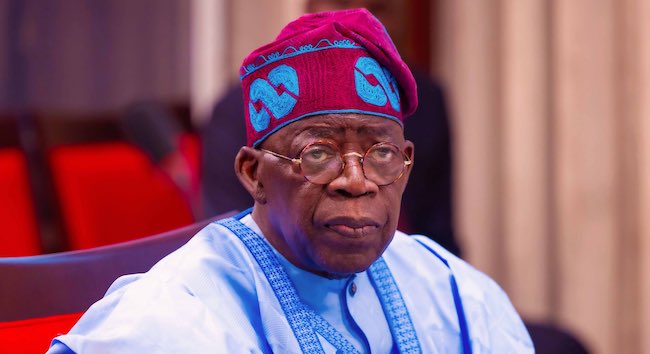
During his campaign, President Bola Tinubu made a firm commitment to Nigerians, promising a steady and reliable power supply. He went as far as urging citizens not to support his re-election if he failed to deliver on this critical mandate. This bold pledge raised expectations and offered hope to a population weary of years of unfulfilled promises.
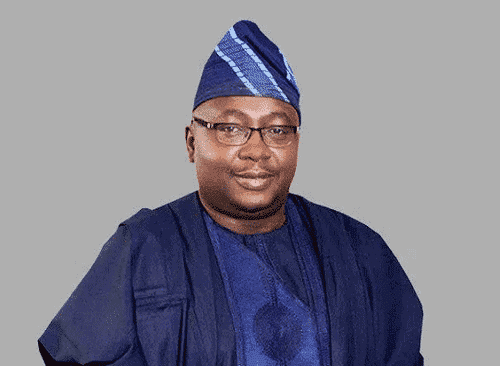
However, the pressing question remains: has the administration lived up to this promise? Recent developments, including the public apology by the Minister of Power, Adebayo Adelabu, have only underscored the severity of the situation. While acknowledging the challenges is a step in the right direction, the explanations offered for the persistent failures have been widely viewed as insufficient and disappointing.
In more accountable societies, public officials who fail to meet their responsibilities often step aside to allow for more capable leadership. Unfortunately, such standards are rarely upheld in Nigeria. As the 2027 elections approach, Nigerians are becoming increasingly aware of their power to demand results. The time for excuses has long passed; what the nation urgently needs is decisive action, genuine commitment, and a leadership willing to be held accountable for delivering stable electricity, an essential foundation for national development.
Tochukwu Jimo Obi, a concerned Nigerian writes from OBOSI, Anambra state.