Forgotten Dairies
Stolen Dreams: How Drug Abuse Threatens Nigeria’s Youth and Future -By Amina Suleiman Abdullahi
Equally important is the creation of opportunities that channel youthful energy into productive ventures. Investments in education, entrepreneurship, sports, and skills acquisition can provide alternatives to substance abuse and help young people realize their potential.

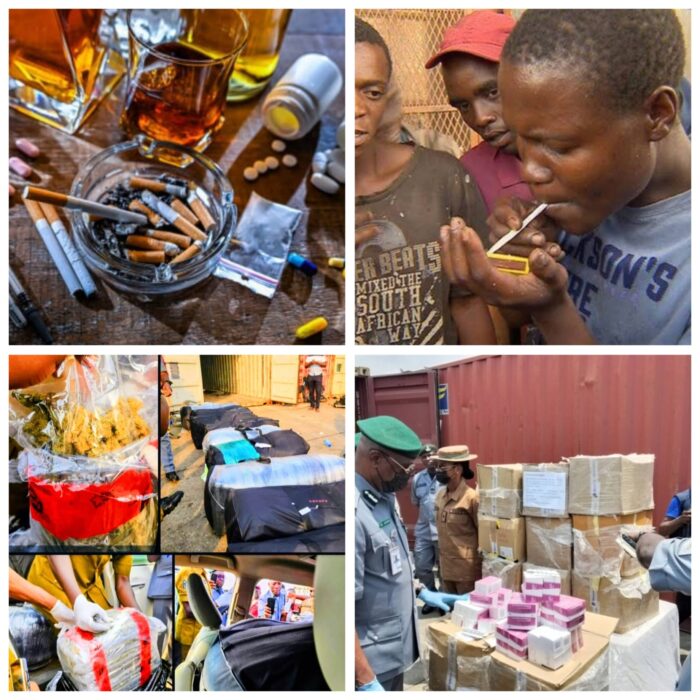
At 23, Musa should be preparing for a promising future. Instead, he spends most of his days struggling to overcome an addiction that nearly destroyed his dreams. What began as an attempt to fit in with friends soon became a dependency on drugs that cost him his education, strained family relationships, and left him battling depression.
“I thought it would make me feel better and help me forget my problems,” he says quietly. “I never imagined it would take over my life.”
Musa’s story is not unique. Across Nigeria, thousands of young people are falling victim to drug abuse, a growing social problem that threatens not only individual lives but also the nation’s development.
Nigeria is often described as a youthful nation, with millions of energetic and ambitious young people capable of driving economic growth, innovation, and social progress. However, the increasing abuse of substances such as cannabis, tramadol, codeine, and methamphetamine is putting that potential at risk.
Experts warn that drug abuse among youths has far-reaching consequences. Beyond the immediate health effects, substance abuse contributes to poor academic performance, school dropout, unemployment, crime, violence, and mental health disorders. Families often bear the emotional and financial burden, while communities grapple with rising insecurity and social instability.
The challenge is particularly concerning because young people represent the backbone of national development. Every nation depends on a productive and skilled workforce to achieve economic growth and social transformation. When young people become trapped in addiction, their ability to contribute meaningfully to society is greatly reduced.
According to public health experts, factors such as peer pressure, unemployment, poverty, family instability, and lack of awareness continue to fuel drug abuse among young people. Many youths turn to drugs as a temporary escape from frustration and hardship, only to find themselves trapped in a cycle of dependency.
Addressing the problem requires collective action. Parents, teachers, religious leaders, and community stakeholders must work together to educate young people about the dangers of substance abuse. Schools should strengthen counselling services and drug awareness programmes, while government agencies must continue to support rehabilitation centres and youth empowerment initiatives.
Equally important is the creation of opportunities that channel youthful energy into productive ventures. Investments in education, entrepreneurship, sports, and skills acquisition can provide alternatives to substance abuse and help young people realize their potential.
As Nigeria strives toward sustainable development, protecting its youth from the dangers of drug abuse must remain a national priority. Every young person rescued from addiction is a dream restored, a future secured, and a valuable contribution preserved for the nation.
For Nigeria, the fight against drug abuse is more than a public health campaign—it is a battle to protect the hopes, talents, and aspirations of a generation whose success will determine the country’s future.