Forgotten Dairies
The Role of Technology in Nigeria’s Education System -By Alheri Una
To fully maximize technology in education, government investment is crucial. Public-private partnerships can help provide internet access, digital devices, and training to schools. Government policies must also support the integration of technology into school curriculums and teacher training institutions.

In the 21st century, technology has become an essential driver of progress in every sector, and education is no exception. In Nigeria, where the challenges in the education sector are vast ranging from inadequate infrastructure to a shortage of qualified teachers the role of technology is becoming increasingly significant. It presents not just a solution but a pathway to a more inclusive, efficient, and impactful learning system.
Technology in Nigerian education has created new possibilities for access to learning. In rural and underserved areas where schools are few and far between, mobile phones, online platforms, and radio/TV learning have made it possible for students to receive education without being physically present in a classroom. This has especially been useful in times of crises, such as during the COVID-19 pandemic when schools were closed nationwide.
One of the most significant contributions of technology is e-learning platforms. Websites and apps such as uLesson, EduTech, and Coursera have allowed Nigerian students to access study materials, video lectures, and assessments remotely. These platforms help bridge the gap between students and quality educational content, regardless of geographic limitations.
Interactive digital tools are also transforming traditional classrooms. Projectors, smart boards, and educational software make learning more engaging and interactive. This multimedia approach appeals to students with different learning styles and encourages creativity, collaboration, and deeper understanding.
Technology is helping address the shortage of teachers, especially in remote areas. With recorded lessons, virtual classrooms, and video conferencing tools like Zoom and Google Meet, expert teachers can reach students across the country without being physically present. This not only improves the quality of instruction but also reduces educational inequality.
Cybersecurity and digital safety also present new concerns. Without proper training and regulation, students may fall victim to online scams or exposure to harmful content. Therefore, digital literacy education must go hand-in-hand with technological adoption.
To fully maximize technology in education, government investment is crucial. Public-private partnerships can help provide internet access, digital devices, and training to schools. Government policies must also support the integration of technology into school curriculums and teacher training institutions.
Parents and communities also have a role to play in embracing and supporting technology for learning. Encouraging children to use digital tools responsibly and helping them access online resources at home can boost their learning outcomes.
The private sector, especially telecom and tech companies, can help by offering affordable data packages and educational platforms tailored for Nigerian students. Their collaboration with the education sector can help scale digital learning innovations.
Digital libraries and online resources have expanded students’ access to books and research materials. Platforms like JSTOR, Google Scholar, and National Virtual Library offer students and lecturers vast academic content previously unavailable due to cost or lack of infrastructure. This empowers more research, critical thinking, and academic excellence.
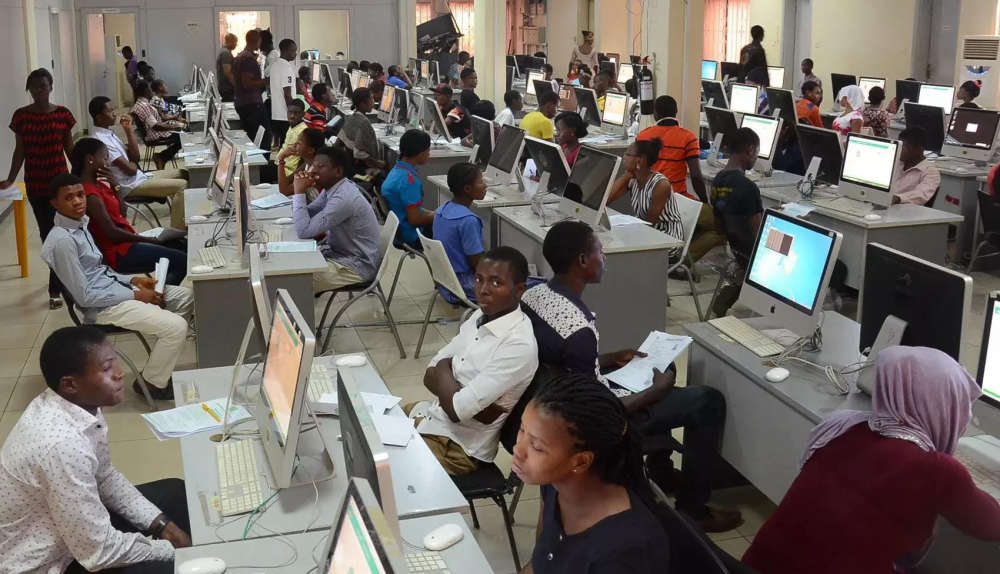
Examinations and assessments are also being transformed. Computer-Based Testing (CBT) is now widely adopted in Nigeria, especially for entrance exams like UTME. CBT not only speeds up the examination process but also reduces malpractices and ensures quicker release of results.
Beyond students, teachers are also benefiting from technology. Online training and professional development courses allow educators to upgrade their skills and keep up with global teaching trends. This is vital for improving the overall quality of education in Nigeria.
However, challenges remain. Unequal access to internet and devices continues to widen the gap between urban and rural students. Many schools lack stable electricity, making digital learning difficult. Affordability of smartphones, laptops, and data subscriptions remains a concern for low-income families.
Technology holds the power to transform Nigeria’s education system from its traditional limitations to a modern, inclusive, and efficient model. While challenges exist, the potential is even greater. With collective effort and investment, Nigeria can build an education system that is not only fit for the present but prepared for the future.