Forgotten Dairies
Together Against Loneliness: Building Inclusive Communities for Persons with Down Syndrome -By Ijeoma Fynecontry
Altitudinal change is key. At the heart of the theme “Together Against Loneliness” lies a simple but powerful truth: loneliness is often not caused by disability itself, but by the attitudes of society. For persons with intellectual disabilities, including those with Down syndrome, the way they are perceived and treated can either open doors to connection—or reinforce isolation. Changing attitudes, therefore, is not optional; it is essential. It is the bridge between exclusion and belonging. It is not enough to “know better”; society must also “do better.”

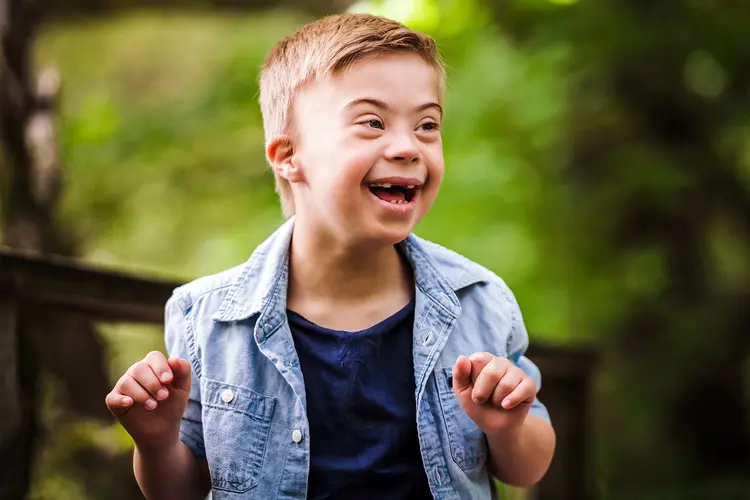
Every year on March 21, the world comes together to commemorate World Down Syndrome Day—a day dedicated to raising awareness, promoting inclusion, and celebrating the unique abilities and contributions of persons with Down syndrome. The 2026 theme, “Together Against Loneliness,” calls for urgent reflection and collective action to address one of the most overlooked challenges faced by persons with Down syndrome: social isolation.
Loneliness is not merely the absence of company; it is the absence of meaningful connection, acceptance, and belonging. For many persons with Down syndrome, loneliness is often reinforced by stigma, exclusion, and limited opportunities to fully participate in family and community life. Yet, this reality is not inevitable. It is something that families, communities, and societies can change—together. At the heart of inclusion is acceptance. True acceptance goes beyond tolerance. It is about recognizing the inherent dignity, worth, and potential of every individual. Negative attitudes and misconceptions often lead to exclusion, which in turn deepens loneliness
To achieve this, the first starting point is the family as the first circle of belonging the first and most important support system for every individual. For persons with Down syndrome, a nurturing and supportive family environment lays the foundation for confidence, independence, and social engagement. Families play a critical role in encouraging self-expression and participation thereby promoting social interaction within and outside the home by embracing and celebrating their loved ones which ultimately will encourage challenging harmful stereotypes . The ultimate goal should be to move beyond overprotection to empowerment. That way, they help break the cycle of isolation and open doors to meaningful relationships.
Beyond families, Communities shape the experiences of individuals. Inclusive communities recognize that diversity strengthens society and that everyone deserves a sense of belonging. To stand “together against loneliness,” communities must: Promote inclusive education and social activities where persons with Down syndrome can learn, play, and grow alongside others. Encourage accessible public spaces and programs that foster participation as well as support organizations and initiatives that advocate for intellectual disability inclusion. As such, faith groups, schools, workplaces, and social organizations all have a role to play in creating welcoming environments where persons with Down syndrome are not just present, but actively engaged.
The action call here is for the concept of inclusion that have gone beyond words to action. Inclusion is not a slogan; it is a practice. It means ensuring that persons with Down syndrome have equal opportunities to participate in all aspects of life—education, employment, healthcare, and social engagement. To achieve this, practical steps toward inclusion should involve supporting inclusive policies and legislation, creating employment opportunities that value diverse abilities, ensuring access to quality healthcare and social services, amplifying the voices of persons with Down syndrome in decision-making processes. When inclusion becomes a shared responsibility, loneliness is replaced with connection and purpose. Let us all commit to Listening more, Including intentionally and supporting consistently.
Altitudinal change is key. At the heart of the theme “Together Against Loneliness” lies a simple but powerful truth: loneliness is often not caused by disability itself, but by the attitudes of society. For persons with intellectual disabilities, including those with Down syndrome, the way they are perceived and treated can either open doors to connection—or reinforce isolation. Changing attitudes, therefore, is not optional; it is essential. It is the bridge between exclusion and belonging. It is not enough to “know better”; society must also “do better.”
When attitudes change, lives are transformed—and no one is left to face loneliness alone.
Ijeoma Fynecontry is a Lagos based legal practitioner and an Inclusion Advocate. She is currently the Legal Resource person for Down syndrome Foundation Nigeria