Opinion
Too Smart for Marriage? The Dangerous Myth Plaguing Northern Nigerian Women -By Rufaida Abdullahi Hamidu
Faced with the grim prospect of social ostracization, a significant number of young women choose to truncate their academic journeys. Convinced that a degree acts as an impediment to marriage, they deliberately stop their education after secondary school. This self-censorship robs the region of brilliant minds, scientists, policymakers, and innovators, locking women into cycles of dependency.

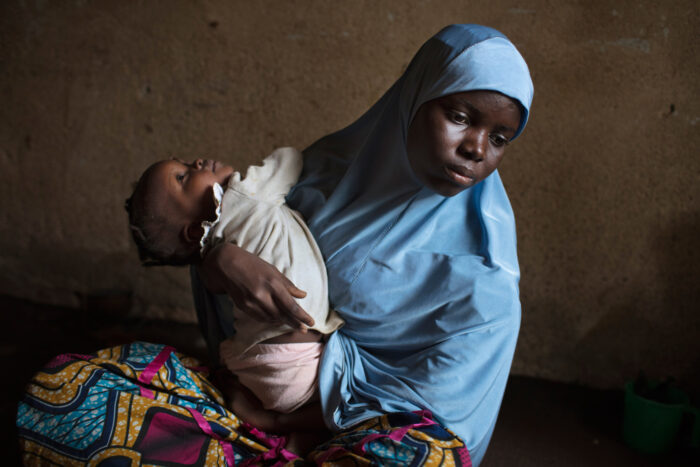
In Northern Nigeria, a troubling cultural narrative persists that a woman’s pursuit of higher education inversely impacts her marriageability. For many young women, graduation day is met with the quiet anxiety that their degrees may render them undesirable to potential suitors. This dynamic is driven by deep-seated patriarchal anxieties, including fears of insubordination, misconceptions about female morality, and an aversion to marital egalitarianism. However, this reluctance to educate women creates a devastating ripple effect, directly fueling systemic issues like poverty, out-of-school children, and regional insecurity.
The hesitation surrounding the marriage of educated women stems from several key drivers. Many Northern Nigerian men harbor a subconscious or overt aversion to marrying women with degrees equal to or higher than their own. Culturally entrenched expectations of absolute male dominance often clash with the reality of an educated spouse, leading some men to assume that a woman with higher education will be difficult to control within a traditional household. Alongside this, a pervasive stigma exists wherein some men automatically equate higher education and independence with compromised virtue, making baseless assumptions about women who navigate tertiary institutions.
Faced with the grim prospect of social ostracization, a significant number of young women choose to truncate their academic journeys. Convinced that a degree acts as an impediment to marriage, they deliberately stop their education after secondary school. This self-censorship robs the region of brilliant minds, scientists, policymakers, and innovators, locking women into cycles of dependency.
The systemic discouragement of higher education for women is not merely a domestic issue; it is a macroeconomic and security crisis. Depriving women of advanced education impacts society in fundamental ways. Educated mothers are the primary architects of early childhood socialization, possessing the cognitive tools and health literacy required to provide their children with a strong foundation. In an era of severe economic hardship, educated women are positioned to contribute financially, stabilizing households against economic shocks. They are also better equipped to make informed choices regarding family size, naturally limiting the birth of more children than the family can sustainably support.
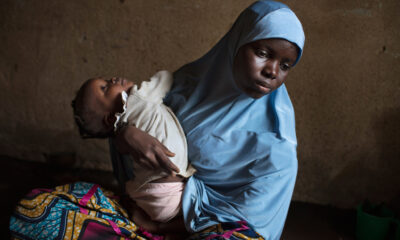
When women are denied education and economic agency, family structures become dangerously fragile. The practice of bearing numerous children without the capacity to maintain them creates a ticking social time bomb. In the event of a father’s sudden demise, abandonment, or economic collapse, uneducated mothers with numerous children often have zero means of survival. Consequently, children are frequently sent away into the streets under the guise of religious schooling, transforming into the vulnerable population known as Almajirai. Millions of children growing up on the streets without proper parental orientation or formal education become prime targets for radicalization, serving as the primary demographic reservoir for criminal syndicates, banditry, and extremist insurgencies such as Boko Haram.
The argument that higher education ruins women for marriage is a shortsighted fallacy that actively destroys the fabric of Northern Nigerian society. When women are limited, families suffer; when families suffer, communities collapse; and when communities collapse, the entire region plunges into insecurity. Reversing this trajectory requires a radical shift in mindset. Northern Nigerian men must unlearn the fear of educated wives and instead recognize them as powerful partners in nation-building, because empowering women through higher education is the ultimate safeguard for the region’s future, peace, and prosperity.