
Breaking News
VEOPAN: Over 100 Imported Vegetable Oil Brands Dominating Market Despite Import Prohibition
The Vegetable Oil Producers Association says weak enforcement has allowed imported vegetable oil to flood Nigerian markets despite prohibition.

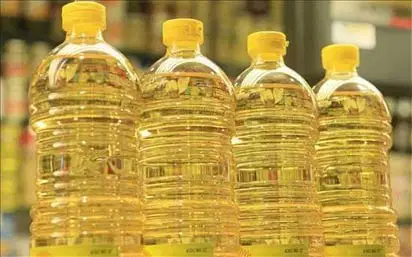
The Vegetable/Edible Oil Producers Association of Nigeria (VEOPAN) has expressed concern over the growing presence of imported vegetable oil brands in Nigeria, despite the Federal Government’s continued ban on the product under the 2026 fiscal policy framework.
VEOPAN National Chairman, Okey Ikoro, said more than 100 foreign vegetable oil brands are currently being sold across Nigerian markets, threatening local investments and frustrating efforts aimed at strengthening domestic production.
Speaking during an interview on Arise News, Ikoro revealed that association members recently intercepted three trailers conveying suspected smuggled vegetable oil along the Badagry route.
He attributed the situation to what he described as weak enforcement of government policy by regulatory agencies, including the Nigeria Customs Service, NAFDAC and the Standards Organisation of Nigeria.
Ikoro noted that the prohibition policy introduced in 2023 initially stimulated significant investment in the sector, encouraging major firms such as Okomu, Presco and PZ Wilmar to expand operations and pursue backward integration projects.
“The 2023 fiscal policy definitely placed vegetable oil under prohibition and a lot of milestones were gained because it was a long-time policy from 2023 to 2026,” he said.
According to him, however, enforcement efforts declined sharply in subsequent years, allowing imported vegetable oil to re-enter the market in large volumes.
“If you go into the local market, you will see more than 100 brands of vegetable oil coming in from outside the country, in yellow jerry cans with funny labels. Nobody is monitoring. NAFDAC is not doing its job,” he stated.
He argued that the development has negatively affected companies that borrowed heavily to invest in oil palm plantations and processing facilities, noting that such investments typically require at least five years before generating returns.
Ikoro further raised concerns about consumer safety, questioning the regulatory oversight of imported vegetable oil products.
“All the vegetable oils produced in Nigeria are regulated. NAFDAC visits the factories regularly and tests the products to ensure they meet fortification and quality standards. But the imported oil just comes in and nobody is monitoring it. They do not carry NAFDAC numbers or labels, yet they are all over the market,” he said.
The VEOPAN chairman warned that unless enforcement improves, continued smuggling and importation could undermine the gains made by local producers and weaken confidence in Nigeria’s backward integration policy.
Africans Angle News
























You must be logged in to post a comment Login