Forgotten Dairies
Wellness Is The New Weight Loss -By Enwelikwu Chidinma Gift
Nigeria also faces another challenge: unhealthy eating habits. Fast-food restaurants continue to increase, while affordable fruits and vegetables remain scarce in many communities. Some neighbourhoods have plenty of processed foods but very few places where fresh and healthy foods are sold. If healthy living is truly our goal, then healthy food should be made more available and affordable.

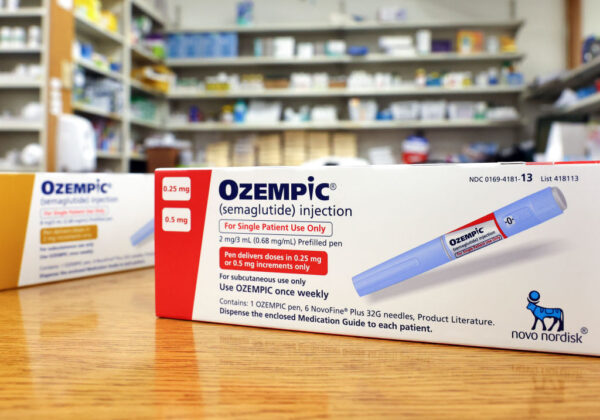
Nigerian society has long battled with the challenge of staying physically fit. Everywhere we turn, someone is advertising slimming tea, waist trainers, fat-burning pills, or a new gym routine. Social media has also played its part, convincing many people that looking slim is the same as being healthy. But in 2026, the conversation is gradually changing. A new class of drugs known as GLP-1 (Glucagon-Like Peptide-1 receptor agonists) is shifting attention from merely losing weight to achieving overall wellness. The question is no longer, “How much weight have you lost?” but “How healthy is your body?”
This new trend is already making its way into homes, pharmacies, and hospitals across Nigeria, including Port Harcourt. According to recent medical studies, GLP-1 drugs do more than help people lose weight. They also improve blood sugar control and reduce the risk of heart disease, stroke, and kidney-related complications. This is no longer just a discussion about beauty; it is becoming a discussion about life itself.
For decades, many Nigerians judged their health by the numbers on a weighing scale. Once the scale read 60kg or 65kg, they believed they were healthy. But is that really true? Can a person be slim and still be sick? The answer is yes. Medical experts now explain that true wellness goes beyond body size. A person may appear physically fit yet suffer from high blood pressure, diabetes, high cholesterol, or heart disease without even knowing it. What then are we really chasing—weight loss or good health?
Many people have shared similar experiences. Some successfully lost several kilograms using slimming products, only to discover during medical check-ups that their blood sugar remained dangerously high or that their blood pressure had not improved. Their appearance changed, but their health did not. That alone should teach us an important lesson. Looking good does not always mean living well.
The introduction of GLP-1 drugs has changed the conversation. Although these medicines became popular because they help people lose weight, doctors now say their greatest benefit lies in improving metabolic health. They help regulate blood sugar, reduce appetite, protect the heart, and improve kidney function. In other words, they are not simply slimming drugs; they are medical tools designed to improve the body’s overall functioning.
However, let us not deceive ourselves. The drug is not a substitute for discipline. It cannot replace healthy eating, regular exercise, adequate sleep, or drinking enough water. Wellness is much more than an injection. It is choosing water instead of soft drinks, taking an evening walk instead of spending hours scrolling through social media, eating more vegetables instead of excessive fast food, and allowing the body enough time to rest. The drug may help, but our lifestyle must also change.
Another interesting shift can be seen in the beauty industry. Today, beauty is beginning to meet wellness. People no longer ask only, “Will this cream make me fair?” Instead, they ask, “Is it safe for my skin?” Lipsticks that moisturise the lips and foundations with sun protection are becoming more attractive than products that promise only beauty. This shows that many Nigerians are beginning to understand that caring for the body is more important than simply changing its appearance.
Sadly, every good thing comes with its own challenges. As the demand for GLP-1 drugs continues to rise, counterfeit products have also entered the market. Fake injections are now being sold by people who are more interested in making money than protecting lives. Some are not stored under the proper conditions, while others are completely fake. Can we gamble with our health simply because we want quick results? Certainly not.
This is why regulatory agencies such as NAFDAC must strengthen their supervision of these medicines. Clear guidelines should be provided on who should use the drugs, how they should be prescribed, and where they should be purchased. More importantly, Nigerians must avoid self-medication. These medicines require proper medical supervision, regular check-ups, and professional advice. What works for one person may not work for another.
There is another issue we hardly talk about—body shaming. Many people who struggle with their weight face ridicule from society. They are laughed at, insulted, and sometimes rejected simply because of their appearance. Such treatment often leads to low self-esteem, anxiety, and even depression. Instead of condemning people because of their weight, we should encourage healthy living. Wellness is a kinder message than shame. It reminds us that every individual deserves care, support, and respect while working towards better health.
Nigeria also faces another challenge: unhealthy eating habits. Fast-food restaurants continue to increase, while affordable fruits and vegetables remain scarce in many communities. Some neighbourhoods have plenty of processed foods but very few places where fresh and healthy foods are sold. If healthy living is truly our goal, then healthy food should be made more available and affordable.
What, then, is the way forward? Government health agencies must continue to educate the public on the proper use of GLP-1 drugs. Hospitals and pharmacies should ensure that only genuine medicines are sold. At the same time, individuals must understand that there is no shortcut to good health. Weight loss may happen within months, but wellness is a lifelong journey built on discipline, healthy habits, regular medical check-ups, and informed decisions.
In conclusion, the conversation in 2026 is no longer simply about becoming slimmer. It is about living longer and living better. You may lose 10 kilograms and still remain metabolically unhealthy. Likewise, you may weigh 60 kilograms and still struggle with diabetes or high blood pressure. Weight is not everything. Wellness is.
The GLP-1 revolution should not be seen as a miracle for slimming but as an opportunity to rethink our attitude towards health. Let us stop chasing only the numbers on the weighing scale and start protecting the organs that keep us alive. At the end of the day, a healthy heart, healthy kidneys, healthy blood sugar, and a healthy lifestyle are worth far more than a smaller waistline. Wellness, not just weight, is the true measure of a healthy life.