Education
When School No Longer Feels Safe: The Growing Fear of Parents in an Insecure Nigeria -By Chidimma Benson
The tragedy is not simply that insecurity threatens lives; it is that it threatens hope. When parents fear sending their children to school, the very foundation of education is shaken. Learning should inspire confidence and opportunity, not fear and uncertainty.

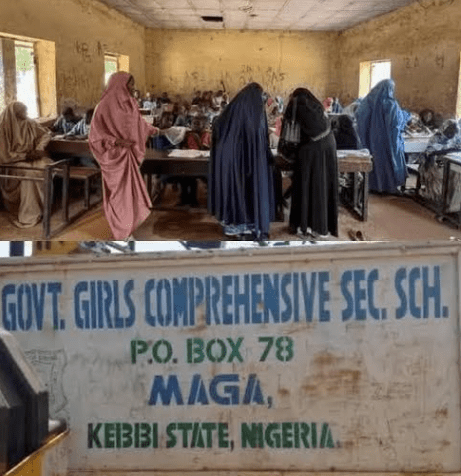
For decades, Nigerian parents have regarded education as the most reliable pathway to a better future. Despite financial difficulties, many families make enormous sacrifices to ensure their children receive quality education. Parents work extra hours, take loans, and give up personal comforts in the hope that their children will one day achieve success through learning.
Today, however, a new concern is overshadowing that dream. Across Nigeria, insecurity has become a source of fear for parents whose children attend schools and universities. What should be a journey of learning and personal growth is increasingly accompanied by anxiety, uncertainty, and constant worry.
From reports of kidnappings and violent attacks to concerns about robbery, cult-related activities, and other criminal incidents, many parents now view educational institutions through a lens of fear. Every news report involving students or schools serves as a reminder that safety can no longer be taken for granted.
For parents of children in primary and secondary schools, the fear begins the moment their children leave for school each morning. Although many schools have introduced security measures and transportation services, some parents say these efforts provide only limited reassurance.
Mr. Christopher Kaka, a father of a junior secondary school student, said even the presence of a school bus does little to ease his fears.
“People often assume that because my daughter uses the school bus, she is completely safe. But these days, nothing feels guaranteed. Every morning after she leaves the house, I find myself checking my phone repeatedly until I know she has arrived safely at school. The fear is always there.”
He explained that reports of kidnappings and attacks in different parts of the country have left many parents anxious, regardless of the precautions taken by schools.
“I trust the school, but I cannot say I trust the situation in the country. As a parent, you worry because anything can happen on the road,” he added.
Similarly, Mrs. Doris, whose sons attend a private primary school, admitted that insecurity has changed her daily routine.
“Before now, I would simply wave goodbye as my sons boarded the school bus. Today, I wait until the bus leaves the area and sometimes call their teacher later in the day just to be sure everything is fine. It may sound excessive, but many parents think the same way.”
According to her, the concern extends beyond the school premises.
“The school may have fences, security personnel, and buses, but children still have to travel to and from school. That journey has become a source of concern for many families.”
For many parents of younger students, anxiety begins early in the morning and does not completely disappear until their children return home safely. What should be an ordinary school day has become a daily exercise in hope, caution, and prayer.
The fear often becomes even greater when children leave home for university. Distance limits parents’ ability to monitor their children directly, leaving them dependent on phone calls and messages for reassurance.
Mrs. Angela Nkwor, a businesswoman and mother of two university students, said insecurity has changed the way she thinks about education.
“There was a time when my biggest concern was whether my children were studying hard enough,” she said. “Now, I worry more about their safety. Whenever I hear news of attacks or kidnappings, I immediately call them. If they do not answer quickly, I become restless.”
Her experience reflects the fears of many Nigerian parents who constantly check on their children throughout the day. For them, hearing their children’s voices has become a source of comfort in an uncertain environment.
The fear is particularly strong among parents whose children study far from home. Many admit that they struggle with anxiety whenever their children travel between school and their hometowns.
Mr. Cyril, whose daughter studies at a university several hours away from home, described the emotional burden of being separated from his child.
“When she first gained admission, I was happy because she was pursuing her dream course,” he said. “But now, every journey she makes worries me. I keep following news reports and hoping that nothing happens to her. Sometimes I call her multiple times a day just to know she is safe.”
Students themselves are not unaware of these concerns. Many say they have noticed an increase in parental anxiety over the years. Some receive frequent phone calls from parents reminding them to avoid certain areas, return home early, or travel only when necessary.
For 400-level student Joy Benson, those calls are both comforting and stressful.
“My mother checks on me almost every day,” she said. “Sometimes I feel she worries too much, but I understand why. There is so much insecurity in the country that parents naturally become afraid.”
The effects of insecurity extend beyond emotional distress. In some cases, parents reconsider educational opportunities because of safety concerns. Students who gain admission into institutions located far from home may face resistance from family members who fear for their well-being.
Mrs. Praise Idodo, a primary school teacher with over three years of experience, said she has observed growing anxiety among parents in recent times.
“Many parents no longer drop off their children and leave without concern. Some call the school several times during the day to check on their children. Others ask detailed questions about security arrangements before enrolling their children. As teachers, we understand their fears because the safety of the children is also our concern.”
According to her, insecurity has changed the relationship between schools and parents.
“There is now greater emphasis on security measures, emergency procedures, and communication with parents. Education can only thrive when children feel safe and parents have confidence in the learning environment.”
Similarly, Mr. Joe Obunike, a father of a six-year-old primary school pupil, said the country’s security challenges have made every school day stressful.
“As a father, I try not to show my fears to my child, but they are there. Every morning, I pray before he leaves for school. Even though the school has security personnel and transportation arrangements, I still worry until he returns home safely.”
He added that many parents share similar concerns.
“We send our children to school because we want them to have a better future, but it is painful that safety has become one of our biggest worries.”
University campuses, which are often viewed as centres of intellectual development and social interaction, have not been immune to these challenges. Students frequently discuss concerns about robbery, harassment, and other security threats. As a result, many have altered their daily routines.
“I avoid moving around late at night unless it is absolutely necessary,” said Blessing, a student in Delta State. “Most students now think about safety before attending events or visiting certain places.”
The psychological impact of this constant vigilance should not be underestimated. Experts argue that prolonged exposure to fear and uncertainty can affect concentration, academic performance, and overall well-being. Students who are constantly worried about their safety may struggle to focus fully on their studies.
Beyond students and parents, insecurity also affects the wider educational system. Schools and universities function best in environments where learners can focus on personal and academic growth. When fear becomes part of everyday life, the quality of learning is inevitably affected.
Educational institutions have a responsibility to strengthen security measures and reassure students and parents. Improved surveillance systems, better lighting, emergency response mechanisms, and stronger collaboration with security agencies can help create safer learning environments.
Government authorities also have a crucial role to play. Addressing insecurity requires more than temporary solutions. It demands sustained efforts to protect communities, strengthen law enforcement, and ensure that schools and universities remain places of learning rather than sources of fear.
Despite the challenges, parents continue to make sacrifices for their children’s education. They continue to pay school fees, support academic ambitions, and encourage their children to pursue their dreams. Yet many do so while carrying a burden of anxiety that previous generations rarely experienced.
The tragedy is not simply that insecurity threatens lives; it is that it threatens hope. When parents fear sending their children to school, the very foundation of education is shaken. Learning should inspire confidence and opportunity, not fear and uncertainty.
For many Nigerian families, education remains a powerful tool for social mobility and national development. However, until the issue of insecurity is effectively addressed, countless parents will continue to send their children to school with a mixture of pride and apprehension.
They will continue to wait for phone calls, follow news reports anxiously, and offer silent prayers for their children’s safety. In a nation where education should represent opportunity, many parents are now asking a question they never imagined they would have to ask:
Is my child truly safe at school?
Chidimma Benson is a 200level journalism and media studies student of Delta State University.