
National Issues
Why Kogi State Deserves An Airport: A Development That Goes Beyond Kogi -By Idris Rufai
In my view, His Excellency Alhaji Ahmed Usman Ododo is demonstrating the qualities of a leader who understands the importance of infrastructure in development. I believe that with proper implementation and accountability, his administration can add significant value to Kogi State and, ultimately, contribute to the development of Nigeria as a whole.

Development, in simple terms, means improving the quality of life of people through better infrastructure, services, opportunities and economic growth. Against this background, I stand with His Excellency, Governor Alhaji Ahmed Usman Ododo, on the approval and proposed development of an airport project in Kogi State.
When I look deeply into this project, i see it as more than a development for Kogi State alone. I see it as an investment that could contribute to the development of Nigeria as a whole. In my view, Governor Usman Ododo is becoming a “Mr Project” because of his commitment to infrastructure and other development initiatives.
Kogi State may have deserved such a project many years ago, but development is dynamic. Governments must respond to the changing needs of their people. At one point, a government may be focused on helping students pay WAEC fees; at another time, it may be addressing insecurity, infrastructure or unemployment. Today, the dream of establishing an airport represents another step toward expanding the economic opportunities available to the people of Kogi State and neighbouring communities.
Why Kogi State Needs an Airport:
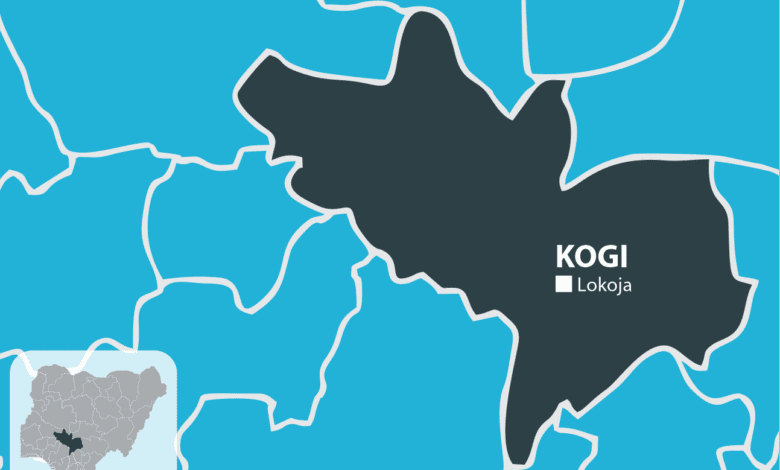
First, Kogi State occupies a strategic position at Nigeria’s North-South confluence. Its location connects different parts of the country and places it along important trade and transportation corridors. An airport could therefore strengthen the state’s role as a major economic and transportation centre.
Second, an airport in Kogi could help decongest the Nnamdi Azikiwe International Airport in Abuja by providing another aviation option for passengers, businesses and cargo within the region. The project could also serve neighbouring states. Because of Kogi’s strategic location and its connections with several surrounding states, an airport could provide easier access to communities and businesses across the wider region.
Another important benefit is cargo and logistics. Kogi has significant agricultural and mineral resources, and an airport could make it easier to transport valuable goods and heavy cargo to other parts of Nigeria and potentially to international markets. The state’s mineral resources, including coal, iron ore and limestone, also provide an opportunity for greater economic activity. Improved transportation infrastructure could make the state more attractive to investors and support the development of these resources. Agriculture is another sector that could benefit farmers and agro-businesses could have faster access to markets, particularly for products that require quick transportation. This could reduce losses and create better opportunities for agro-export.
An airport could also attract investors, businesses, hotels and other service providers, thereby creating employment opportunities for young people. Tourism could equally receive a boost, as visitors would have easier access to Lokoja, the confluence of the Niger and Benue rivers, and other historical and cultural attractions.
Beyond economic benefits, an airport could support emergency and security operations. It could facilitate medical evacuation, disaster response and the rapid movement of security personnel when necessary.
Perhaps most importantly, improved air transportation could reduce the time required to travel between Kogi and other parts of the country, while providing an alternative to heavily travelled road routes such asthe Lokoja -Abuja highway.
Development Requires Collective Support
However, the success of any major infrastructure project depends not only on government approval but also on proper planning, transparency, maintenance and responsible management. The people of Kogi State should therefore support development while also demanding accountability to ensure that public resources are used effectively.
I believe that Kogi State deserves projects that will transform its economic potential into real opportunities for its people. The proposed airport, if properly executed and managed, could become one of such projects.
Governor Usman Ododo’s vision should therefore be viewed within the broader context of development. Together, government, citizens, investors and other stakeholders can do more to move Kogi State forward.
In my view, His Excellency Alhaji Ahmed Usman Ododo is demonstrating the qualities of a leader who understands the importance of infrastructure in development. I believe that with proper implementation and accountability, his administration can add significant value to Kogi State and, ultimately, contribute to the development of Nigeria as a whole.
Idris Rufai























You must be logged in to post a comment Login