
Forgotten Dairies
Women and Children as Victims of Armed Conflict -By Sadiya Abdullahi Kabura
The future of any nation depends on the safety and well-being of its women and children. Protecting them during times of conflict is not only a moral obligation but also a foundation for lasting peace and sustainable development. As the world continues to confront the challenges of armed conflict, greater commitment is needed to ensure that no woman or child is left behind in the pursuit of peace, justice, and human dignity.

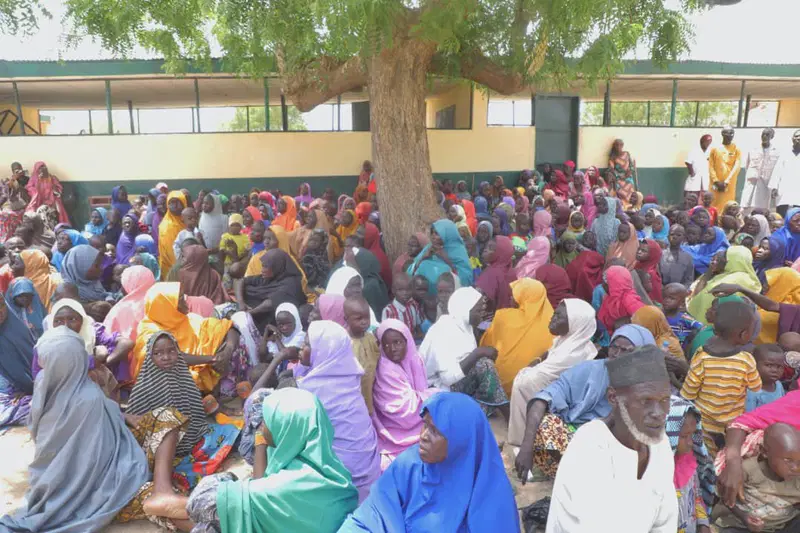
Armed conflict remains one of the greatest threats to peace, security, and human development. While wars and violent conflicts affect entire communities, women and children often bear the heaviest burden. Across conflict-affected regions, including parts of Northern Nigeria, millions of women and children have lost their homes, families, education, and livelihoods. Their suffering extends beyond the battlefield, leaving physical, emotional, and psychological scars that may last for generations.
Children are among the most vulnerable victims of armed conflict. Many are forced to flee their homes with their families, becoming internally displaced persons or refugees. In overcrowded camps, they often lack access to adequate food, clean water, healthcare, and education. School closures caused by insecurity deny children the opportunity to learn, making them more vulnerable to child labour, exploitation, and recruitment by armed groups.
The emotional impact on children is equally devastating. Witnessing violence, losing loved ones, or living in constant fear can lead to trauma, anxiety, depression, and other mental health challenges. Without proper counselling and psychosocial support, many children struggle to recover, affecting their education, relationships, and future development.
Women also face severe hardships during armed conflicts. Many lose their husbands or other family members who provide financial support, leaving them to care for their children under extremely difficult conditions. Displacement often exposes women to hunger, poverty, poor healthcare, and unsafe living conditions.
One of the most disturbing consequences of armed conflict is gender-based violence. In many conflict zones, women and girls are at greater risk of sexual violence, exploitation, forced marriage, and abuse. These crimes not only violate their human rights but also leave lasting physical and psychological trauma. Victims frequently face social stigma, making it difficult for them to rebuild their lives.
Healthcare services are often disrupted during conflicts, placing pregnant women and young children at greater risk. Many expectant mothers cannot access skilled medical care during childbirth, while children become vulnerable to malnutrition and preventable diseases due to the breakdown of health services and vaccination programmes.
Despite these hardships, women have demonstrated remarkable resilience. In many affected communities, they have taken on leadership roles by supporting their families, participating in peacebuilding efforts, and helping to rebuild their communities. Women-led organisations and humanitarian workers continue to provide food, shelter, education, healthcare, and emotional support to those affected by conflict.
Governments, humanitarian agencies, and international organisations have a shared responsibility to protect women and children during armed conflicts. Strengthening security, enforcing international humanitarian law, ensuring access to education and healthcare, and providing psychosocial support are essential steps toward reducing their suffering. Communities must also reject violence and work together to promote peace, reconciliation, and social inclusion.
The media also has an important role in giving a voice to victims, raising public awareness, and advocating for policies that protect vulnerable populations. Responsible journalism can help draw attention to humanitarian crises and encourage action from governments and development partners.
The future of any nation depends on the safety and well-being of its women and children. Protecting them during times of conflict is not only a moral obligation but also a foundation for lasting peace and sustainable development. As the world continues to confront the challenges of armed conflict, greater commitment is needed to ensure that no woman or child is left behind in the pursuit of peace, justice, and human dignity.


















You must be logged in to post a comment Login