
Forgotten Dairies
Healthcare Challenges in Rural Communities: Bridging the Gap for a Healthier Future -By Sadiya Abdullahi Kabura
The health of rural populations is closely linked to the nation’s overall development. Healthy communities are more productive, children attend school regularly, and families are better able to contribute to economic growth. Ensuring equitable access to quality health care is therefore not only a social responsibility but also an investment in a healthier and more prosperous future. By prioritising rural health care, Nigeria can move closer to achieving universal health coverage and improving the quality of life for all its citizens.

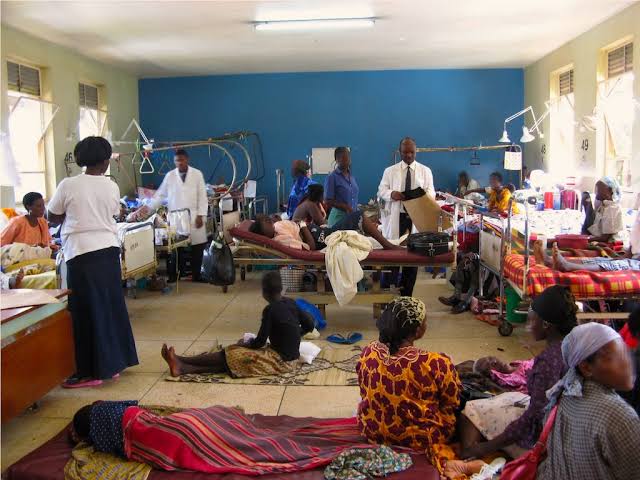
Access to quality health care is a fundamental human right, yet for millions of people living in rural communities, it remains a daily struggle. Across many developing countries, including Nigeria, residents of rural areas continue to face enormous challenges in obtaining timely and affordable medical care. Long distances to health facilities, shortages of qualified health workers, poor infrastructure, and inadequate medical supplies have created a health care gap that threatens lives and slows national development.
For many rural families, the journey to the nearest health centre can take several hours on poorly maintained roads. During medical emergencies, such delays often determine whether a patient survives or not. Pregnant women, children, and elderly people are particularly vulnerable because they require regular access to health services that may not be readily available in their communities.
One of the most pressing challenges is the shortage of qualified health professionals. Many doctors, nurses, pharmacists, and laboratory scientists prefer to work in urban areas where salaries, working conditions, and career opportunities are more attractive. As a result, rural health centres are frequently understaffed, forcing the few available workers to attend to a large number of patients with limited resources.
Inadequate infrastructure further worsens the situation. Some primary health centres lack clean water, reliable electricity, functional medical equipment, and essential medicines. Without these basic necessities, health workers struggle to provide effective treatment, while patients are often referred to distant hospitals for conditions that could have been managed locally.
The high cost of health care also discourages many rural residents from seeking medical attention. Families with limited income often delay visiting hospitals until illnesses become severe. In some cases, people rely on self-medication or traditional remedies, which may worsen health conditions when proper diagnosis and treatment are delayed.
Health education is another challenge. Many rural communities have limited access to information about disease prevention, maternal and child health, nutrition, sanitation, and immunisation. This lack of awareness contributes to the spread of preventable diseases such as malaria, cholera, and other infectious illnesses. Regular public health campaigns can play a significant role in improving community health outcomes.
Despite these difficulties, there have been encouraging efforts to improve rural health care. Government agencies, non-governmental organisations, and international development partners have introduced programmes such as mobile clinics, community health outreach, vaccination campaigns, and maternal health initiatives. Community health extension workers also continue to provide essential services where doctors and specialists are unavailable.
Addressing rural health care challenges requires sustained commitment from all stakeholders. Governments should increase funding for primary health care, equip rural hospitals with modern facilities, recruit and retain qualified health workers through incentives, and improve transportation networks. Expanding health insurance coverage and investing in telemedicine can also make quality medical care more accessible to remote communities.
The health of rural populations is closely linked to the nation’s overall development. Healthy communities are more productive, children attend school regularly, and families are better able to contribute to economic growth. Ensuring equitable access to quality health care is therefore not only a social responsibility but also an investment in a healthier and more prosperous future. By prioritising rural health care, Nigeria can move closer to achieving universal health coverage and improving the quality of life for all its citizens.



















You must be logged in to post a comment Login