Forgotten Dairies
𝐈𝐟 𝐍𝐨𝐭 𝐓𝐢𝐧𝐮𝐛𝐮, 𝐓𝐡𝐞𝐧 𝐖𝐡𝐨? 𝐓𝐡𝐞 𝐐𝐮𝐞𝐬𝐭𝐢𝐨𝐧 𝐌𝐚𝐧𝐲 𝐍𝐢𝐠𝐞𝐫𝐢𝐚𝐧𝐬 𝐀𝐫𝐞 𝐀𝐯𝐨𝐢𝐝𝐢𝐧𝐠 -By Abdullahi Abubakar
If Tinubu chooses not to contest in 2027, it should not be seen as an automatic solution to Nigeria’s problems. Instead, it should be an opportunity for Nigerians to reset their expectations and approach politics with greater responsibility.

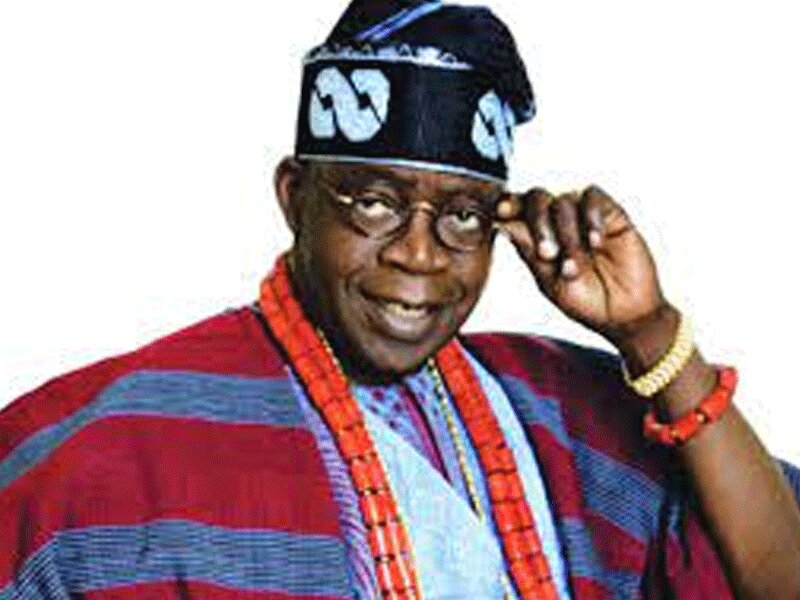
What If Bola Ahmed Tinubu Doesn’t Contest in 2027?
In every political cycle in Nigeria, emotions often run higher than reason. As 2027 approaches, a question quietly sits beneath the noise: what happens if President Bola Ahmed Tinubu does not contest? For many, this may sound like a relief. For others, a concern. But beyond personal preferences, it opens a deeper issue Nigerians must confront our approach to leadership and governance.
Too often, we reduce complex national challenges to one individual. We point at a leader and label him the problem, as though removing him automatically produces solutions. Governance does not work that way. Nations are not repaired by substitution alone; they are rebuilt through ideas, systems, and continuity of well-thought-out policies.
If Tinubu does not contest in 2027, Nigeria will not suddenly become a different country overnight. The structural challenges economic instability, insecurity, unemployment, and infrastructural deficits will remain. The real question then becomes: who comes next, and what exactly are they bringing to the table?
A few weeks ago, a thoughtful voice from the opposition raised an important point: political parties must present clear policies, practical solutions, and distinct approaches ahead of elections. This is not just advice it is the foundation of democracy. Citizens deserve to understand not just who they are voting for, but what they are voting for.
Unfortunately, this is where we are getting it wrong.
A large number of people shouting “Tinubu must go” are not asking the most important questions. They are not demanding detailed plans from their preferred candidates. They are not scrutinizing policy directions. Many do not even know who exactly they want to replace him or what that person will do differently.
This is not political engagement; it is emotional reaction.
Leadership is not magic. No human being, no matter how competent, can fix decades of national challenges in a few months. The expectation that any new government will deliver instant transformation is unrealistic. It sets up both leaders and citizens for disappointment.
Looking back at the 2023 elections, major candidates including Atiku Abubakar presented their policy frameworks. For instance, Atiku’s blueprint leaned heavily toward privatization and economic liberalization. While such an approach has its merits, it also comes with consequences that could make life more difficult in the short term, especially for ordinary Nigerians. Yet, many who now demand immediate change have not critically examined these alternatives.
The truth is simple but uncomfortable: changing a government without understanding the alternative is not progress it is gambling.
A nation cannot move forward on the basis of anger alone. If we continue this pattern removing leaders based on frustration without evaluating successors based on competence, ideas, and realistic timelines we may repeat the same cycle for decades without meaningful change.
This is why political maturity is essential.
Citizens must begin to demand substance over slogans. Before supporting any candidate in 2027, Nigerians should ask:
• What are the specific policies?
• How will they be implemented?
• What sacrifices will be required?
• How long will it realistically take to see results?
Until these questions become central to our political culture, elections will remain exercises in emotion rather than instruments of progress.
If Tinubu chooses not to contest in 2027, it should not be seen as an automatic solution to Nigeria’s problems. Instead, it should be an opportunity for Nigerians to reset their expectations and approach politics with greater responsibility.
Because at the end of the day, the future of Nigeria will not be determined by who leaves power but by how wisely we choose who comes next, and how seriously we hold them accountable.
If we fail to learn this, then even in a million years, nothing will truly change.